
Vandaag of morgen in huis

Kwaliteit gegarandeerd

Welkomstaanbiedingen ontgrendelen: GRATIS bezorging | Tot 80% korting | Gratis 30 dagen JoyPlus-proefperiode
Download de app
A clean car doesn’t start with buying as many products as possible, but with choosing the right combination of accessories. Anyone searching for car cleaning accessories will often come across terms such as powerful suction, scratch-free, professional and multifunctional. These terms only mean something when the specifications, materials and instructions for use are clear.
For car owners in the Netherlands, three pitfalls are particularly important: accessories that simply spread dirt across the paintwork, devices with a short running time, and products whose key components are difficult to maintain properly.
A car microfibre cloth or car wash mitt can be suitable for paintwork and glass, but only when the dirt has been rinsed off first. Otherwise, grains of sand trapped between the fibres can act like an abrasive. It is therefore best to use separate cloths for:
Wash microfibre cloths after use without fabric conditioner and allow them to dry completely. Before each use, check that they do not contain any hard particles.
A cordless car vacuum cleaner with a high Pa rating sounds appealing, but Pa is not a complete measure of performance. The shape of the nozzle, airflow, filter and battery life also determine how practical the device is.
For example, a small handheld car vacuum with a short, narrow nozzle may reach between the seats more effectively than a larger model with a wider nozzle. Also check whether the filter is removable and washable.
A polishing machine does not automatically remove dirt, scratches or oxidation. The car must first be washed thoroughly and dried. Any remaining sand can cause additional paint damage during polishing. For beginners, a compact model with adjustable speed and a small backing plate is easier to control than a heavy device with one fixed setting.
For a cordless car vacuum cleaner, the following details are measurable and relevant:
A model with 16.000 Pa and a 6000mAh battery is listed in EAFC’s product information. These are the manufacturer’s product specifications; actual running time depends, among other things, on the selected speed and nozzle.
A good car microfibre cloth should be sufficiently absorbent and free from loose, hard seams or particles of dirt. A 30 x 30 cm cloth is practical for the interior, glass and smaller areas of bodywork. For paintwork, it is best to use a clean cloth with a clearly defined fibre structure.
When choosing a car wash mitt or car wash brush, the following points are important:
When washing, work from top to bottom. The lower parts of the car usually contain more sand and road dirt.
Use a car windscreen wiper, silicone squeegee or side-mirror wiper only after rinsing off sand and loose dirt. Do not use it dry and do not apply excessive pressure. A silicone blade can remove water quickly, but check it regularly for damage or trapped particles.
A car air blower is useful for air vents, badges, mirror edges and seams that are difficult to reach with a cloth. Blow dirt away from sensitive surfaces before treating them with a cloth. Do not direct powerful air at loose seals or delicate electronics.
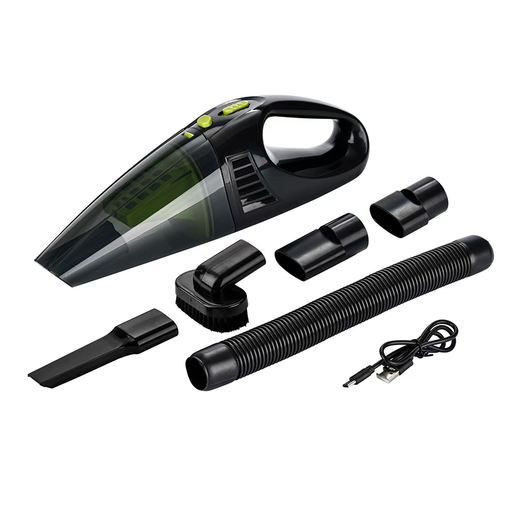
Why it suits this profile: This compact model is designed for quick cleaning of seat gaps, mats, desks and small corners.
The stated running time is approximately 14–16 minutes. This makes it clear that it is mainly intended for short cleaning sessions rather than prolonged use.
Stated suction power of 3500–4000Pa, a 0.4-litre dust container and a HEPA filter, according to the product information.
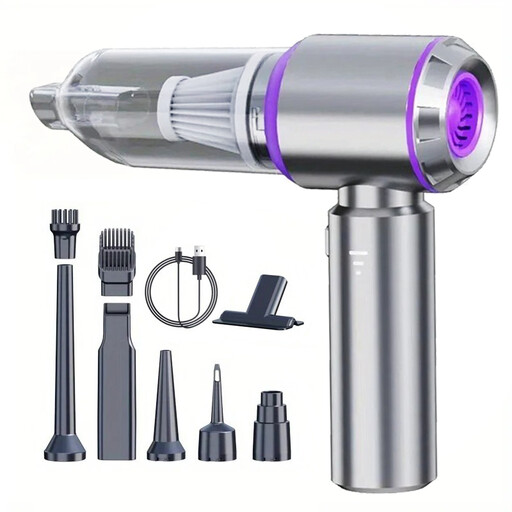
Why it suits this profile: Ideal if you want one compact device for vacuuming, blowing, inflating and removing air from storage bags.
The product information lists three speeds, a Type-C connection, several nozzles and a removable dust container. Before buying, check that these features suit your intended use.
According to the manufacturer: stated suction power of 16.000Pa, a 6000mAh battery and a washable HEPA filter.
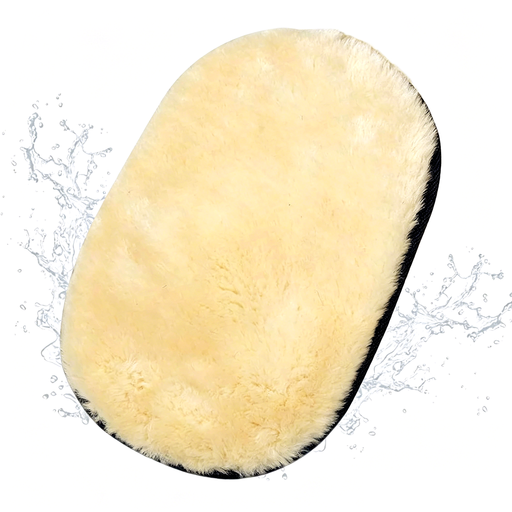
Why it suits this profile: Practical for regular car detailing, allowing you to clean larger areas of paintwork, glass and wheels by hand.
The instructions recommend soaking the mitt thoroughly first and rinsing out sand promptly. This helps prevent dirt from being rubbed across the paintwork.
Polyester and nylon material, measuring 23 × 15,5 × 2 cm, and designed for repeated washing according to the product description.
A 30 × 30 cm cloth set is a sensible addition for glass and the interior. For specific tasks, you can also choose a detailing brush for air vents, a silicone squeegee or a car air blower. If you want to treat the paintwork, use a polishing machine only with suitable pads, an appropriate polish and a clean surface.
We have put together a complete, up-to-date list of products that fully meet these strict selection criteria and the applicable European safety regulations.
Start with a bucket, suitable car shampoo, a car wash mitt or car wash brush, several microfibre cloths and a vacuum cleaner for the interior. A car windscreen wiper or silicone squeegee helps remove water from glass and paintwork. Add a detailing brush for air vents and seams.
Rinse the car and accessories thoroughly first. Work from top to bottom and use separate cloths for dirty lower sections and delicate areas of paintwork. Do not wipe sand or mud dry. Check the fibres of a car microfibre cloth and wash cloths without fabric conditioner.
The ongoing costs are usually limited to electricity and any replacement filters. Pay particular attention to the charging method, running time and filter maintenance. A washable filter can be practical, but it must be completely dry before you refit it. With intensive use, additional filters or a second battery may be worth considering.
