
Vandaag of morgen in huis

Kwaliteit gegarandeerd

Welkomstaanbiedingen ontgrendelen: GRATIS bezorging | Tot 80% korting | Gratis 30 dagen JoyPlus-proefperiode
Download de app
A caramel protein bar might seem straightforward to compare at first glance. Yet two bars with the same flavour can differ significantly in protein content, sugar, sweeteners, portion size and allergens. If you only look at the front of the packaging, you could end up paying for a big marketing promise while the bar is less suited to your eating occasion.
The most common pitfalls:
For a protein bar to eat after exercise or as a high-protein snack between meals, the amount of protein per individual bar is the most practical measure. A bar of 55 to 60 g with around 16 to 20 g of protein suits many occasions. Larger bars may contain more protein, but they often also bring more calories and carbohydrates.
Also pay attention to the protein source. Products can contain milk protein, whey, casein, soya protein, collagen hydrolysate or a combination of these. These ingredients are not directly interchangeable, so always check the full ingredients list.
If you’re looking for a low sugar protein bar or a protein bar with little sugar, you need to compare three values side by side:
A low sugar value can go hand in hand with a relatively high amount of polyols. On the product information of several bars, it states that excessive consumption may have a laxative effect. This is especially relevant if you eat multiple bars in one day. Stick to the recommended portion and check the warning on the packaging.
An individually wrapped bar is handy for work, travel, the car or the gym. But do check whether 55, 60, 68, 70 or 74 g is a suitable portion for you. A small nut bar is easy to take with you, but may contain much less protein than a full-sized caramel protein bar.
Also check the allergens. In this category you’ll find milk, soya, peanuts, cashew nuts, almonds and gluten-containing cereals. Manufacturers may also state that a product may contain traces of other nuts, eggs or gluten. If you have an allergy or intolerance, the packaging is the final word; product compositions can change.
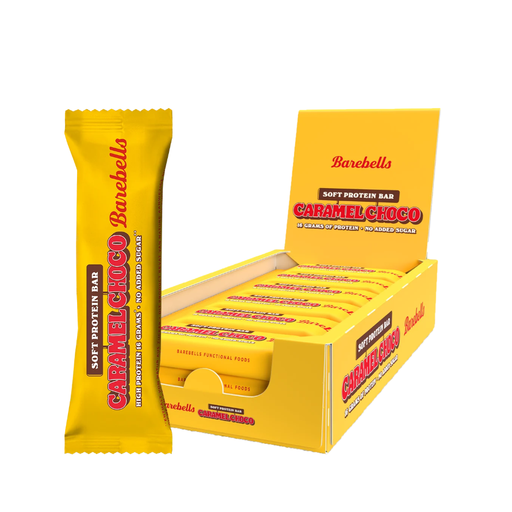
Why this fits the profile: This multipack offers 12 bars of 55 g with a soft caramel-chocolate flavour. Each bar provides 16 to 17 g of protein, making it an accessible introduction to a caramel protein bar.
The portion size and protein value per bar are clearly stated. Do check the current nutritional information table and ingredients on the packaging before purchase.
12 individually wrapped bars; choice of Caramel Choco and Rocky Road Nutty Marshmallow; soft texture.
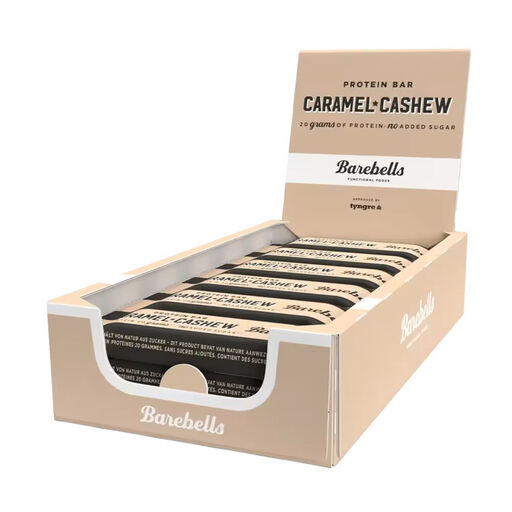
Why this fits the profile: This caramel cashew protein bar combines cashew pieces, a creamy caramel flavour and a chocolate coating. The product information states 20 g of protein per 55 g bar.
The packaging states a low sugar value, but the available product information mentions both 1 g and 1.5 g per bar. So check the label on the packaging you receive.
20 g protein per bar; 3 g fibre according to the product information; pack of 12.
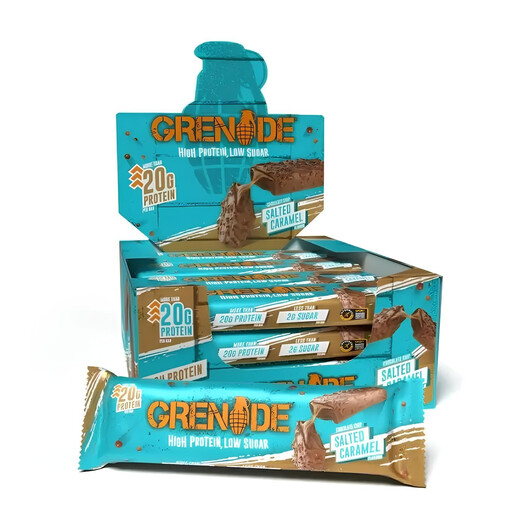
Why this fits the profile: This protein bar for after exercise or on the go contains 20 g of protein and 1.4 g of sugar per 60 g bar, according to the product specification.
The values are shown both per 100 g and per bar. Do note the 18 g of polyols per bar and the warning about excessive consumption.
20 g protein; 60 g per bar; chocolate with chocolate chips and salted caramel flavour.
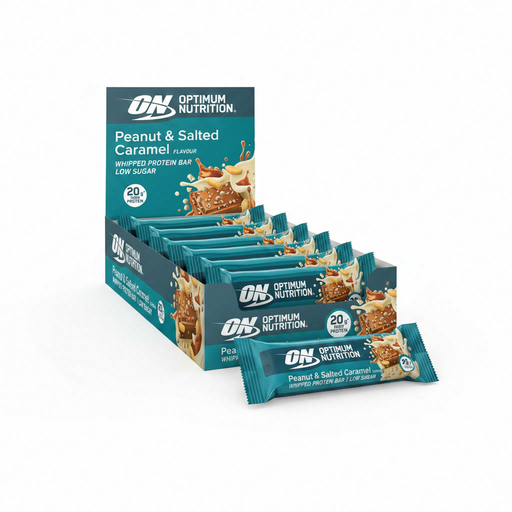
Why this fits the profile: The pack contains 10 bars with peanut, salted caramel, a white chocolate coating and a soft texture. According to the product specification, each bar contains 20 g of protein.
The portion, box contents and recommended usage information are specified. Because of the presence of polyols, it remains important to check your individual tolerance.
10 individually wrapped bars; 20 g protein per bar; suitable for vegetarians according to the product information.
A protein bar with chocolate often has a coating or chocolate pieces. This can make the texture more appealing, but it may also increase the fat and calorie content. A nut bar, such as a caramel-almond variety, may focus more on crunch and fibre, but sometimes contains less protein per portion.
If you’re mainly looking for a protein bar for on the go, it’s worth paying attention to:
For a daily snack, flavour is at least as important as nutritional value. Choose a caramel protein bar that you genuinely enjoy eating, but use the bar as a supplement to a varied diet rather than as a replacement for regular meals.
We’ve put together a full, up-to-date list of products that fully meet these strict selection criteria and comply with current European safety regulations.
It varies by brand and size. In the range, values range from around 16 to 25 g per bar. Always compare per full portion, because a value per 100 g can give a misleading picture.
They can be practical after exercise, especially when you’re on the go and looking for a protein snack. Alongside sugar, also check carbohydrates, calories, polyols and allergens. Suitability depends on your overall diet and personal goals.
Store the bar in a dry, cool place out of direct sunlight. Some soft bars may become less firm in warm conditions. Follow the storage advice on the packaging and check the best-before date before eating the bar.
