
Vandaag of morgen in huis

Kwaliteit gegarandeerd

Welkomstaanbiedingen ontgrendelen: GRATIS bezorging | Tot 80% korting | Gratis 30 dagen JoyPlus-proefperiode
Download de app
A caramel protein bar might seem straightforward to compare at first glance: pick a flavour you like, check the protein content, and add it to your basket. In practice, there are clear differences between a caramel protein bar, a regular nut bar, and a high-protein bar packed with sweeteners.
These three pitfalls in particular can lead to a disappointing purchase:
For on-the-go snacking or post-workout refuelling, the amount per serving is the most practical measure. A 55-gram bar with 20 grams of protein has a different composition to a 74-gram bar with 25 grams of protein. So look at:
A protein-rich snack with around 16 to 20 grams of protein per bar can fit between meals or after a workout. Nutramino XL, for example, states 25 grams of protein per 74-gram bar. Fulfil states 37 grams of protein per 100 grams; that works out at roughly 20.4 grams per 55-gram bar.
If you’re looking for a low-sugar protein bar, you need to look beyond the front of the packaging. Check the nutritional information table for:
Grenade Carb Killa Chocolate Chip Salted Caramel lists 1.4 grams of sugar and 18 grams of polyols per 60-gram bar. Barebells Caramel & Cashew states 1.5 grams of sugar, 5 grams of polyols and 20 grams of protein per 55-gram bar in its product information. Polyols may be less suitable for some people if several bars are eaten in quick succession. The warning on the label is what matters most.
A chocolate protein bar may contain milk, soya, peanuts, nuts, gluten or collagen. That doesn’t automatically make a product unsuitable, but it is important if you have an allergy, intolerance, or follow a vegetarian diet.
Also note the difference between a milk protein bar and one containing collagen hydrolysate. Always check the current packaging, as the composition, allergen information and nutritional values can change. Brand claims about use around sport should be read as the brand’s product information, not as personal dietary advice.

Why this fits the profile: A compact 55-gram bar with a chocolate coating, salted caramel flavour and a clear nutritional information table. Handy as a first introduction to a caramel protein bar.
The product information separately lists 3.1 g of sugar and 23 g of polyols per 100 g. This makes it clear that “low sugar” is not the same as low in sweeteners.
Milk protein, 6.2 g of fibre per 100 g and added vitamins according to the product description. Contains milk, soya and gluten.
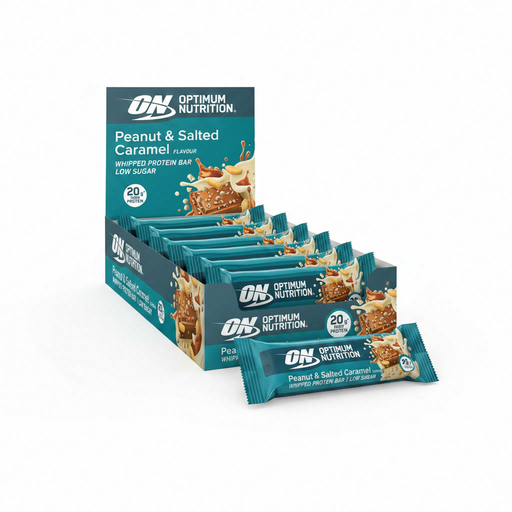
Why this fits the profile: The box of 10 bars is practical for anyone who regularly takes a bar to work, the gym or on the go and wants to keep a steady supply.
The description mentions a low sugar content, but also several sweeteners and polyols. So check the current packaging rather than just reading the front.
Peanut & Salted Caramel flavour, white chocolate coating and a blend of milk proteins. The product information states 20 g of protein per bar.
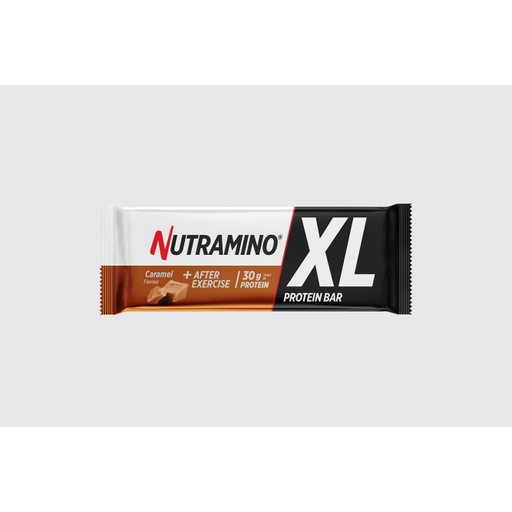
Why this fits the profile: The larger portion is aimed at users who want to take on carbohydrates during intense activity, alongside a relatively high protein content.
The product lists both protein and carbohydrates per whole bar: 25 g of protein, 30 g of carbohydrates and 19 g of sugar per 74 g. This makes the serving size clear.
74 g per bar, soft core, soya crisps and milk chocolate according to the product information. Contains milk and soya; the product also contains collagen hydrolysate.
We’ve put together a full, up-to-date list of products that fully meet these strict selection criteria and comply with current European safety regulations.
That depends on your overall diet and the bar’s composition. A product with 20 to 25 grams of protein can be a practical post-workout snack. Also check the calories, carbohydrates and allergens. A protein bar is not a substitute for a varied diet.
No. Polyols, fibre and other carbohydrate sources can be present alongside sugars. So check the full nutritional information table. Bars containing maltitol or other sweeteners in particular can have a laxative effect when consumed in large amounts.
Store the bar according to the instructions on the packaging, usually in a dry, cool place away from direct sunlight. Heat can melt the chocolate and alter the texture. Also check the best-before date when you buy it, and don’t use a damaged wrapper.
