
Vandaag of morgen in huis

Kwaliteit gegarandeerd

Welkomstaanbiedingen ontgrendelen: GRATIS bezorging | Tot 80% korting | Gratis 30 dagen JoyPlus-proefperiode
Download de app
Are you looking for caramel chocolate for a film night, coffee with friends, or just as a sweet treat? You’ll quickly come across lots of varieties that look similar. Yet they differ clearly in flavour, texture, size and nutritional value. A soft milk chocolate bar with a liquid filling, for example, is quite different from dark chocolate with caramel and nuts.
Pay particular attention to three common pitfalls:
The base determines a large part of the flavour:
The description on the front is only an initial guide. The full ingredients list and nutrition table on the packaging are what you should rely on.
Caramel can come in different forms:
If you’re expecting a smooth chocolate bar, you could be disappointed when there are biscuit pieces, nuts or hard bits inside. So read the product description and allergen information.
A standard caramel chocolate bar of 90 to 100 g is suitable for one or several snacking occasions. A bar of 180 to 200 g is better for sharing, while a bag of 250 g or more can be handy for guests.
The reference products typically contain around 450 to 580 kcal per 100 g, depending on the recipe and filling. The sugar content also varies. The nutritional information on the packaging gives you a verifiable comparison; a claim like “creamy”, “rich” or “indulgent” tells you nothing about that.
Also bear in mind:
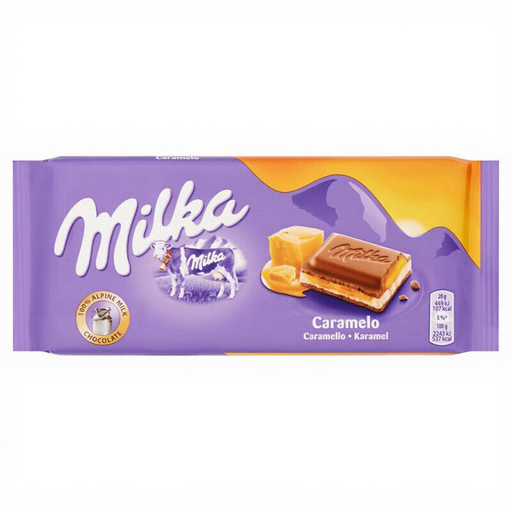
Why this fits the profile: A familiar 100 g portion with soft milk chocolate and a liquid caramel filling, ideal as an easy introduction to chocolate with caramel.
The product description clearly mentions the liquid filling and the 100 g packaging. So you know in advance you’re not choosing a crunchy nut bar.
Milk chocolate, soft caramel filling and resealable packaging according to the product information.
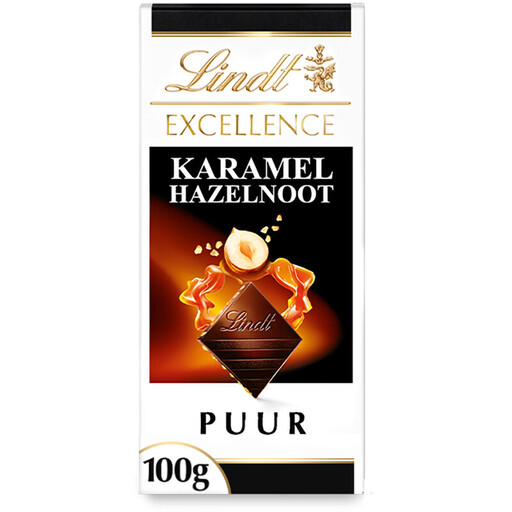
Why this fits the profile: For lovers of dark chocolate, cocoa and a crunchy addition of honey-caramel hazelnuts.
The cocoa content of at least 47% and the stated hazelnut and caramel percentages make the flavour choice more concrete than just a marketing name.
Dark chocolate, 12% caramelised hazelnuts and 3% caramel pieces according to the label.
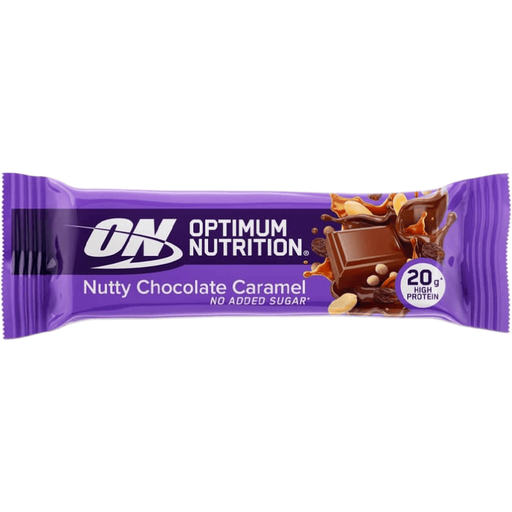
Why this fits the profile: For anyone looking for a compact snack with chocolate caramel flavour, peanuts and a stated protein content of 20 g per bar.
The product is described as a general nutritional snack, not a medical product. Do check the allergens and the warning about excessive consumption.
70 g per bar, 20 g protein according to the product information and roasted peanuts for extra texture.
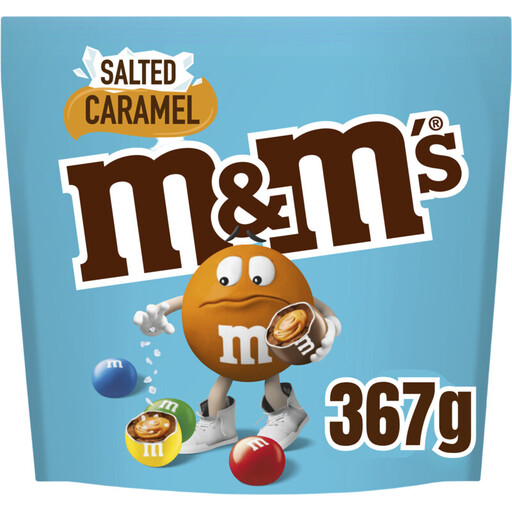
Why this fits the profile: A large bag of small chocolate caramel snacks for a party, guests or film night.
The 367 g content and the portion format are clearly stated. This makes the product easy to compare with a chocolate bar for sharing.
Bite-sized format, salted caramel centre according to the product description and a large pack.
We’ve put together a full, up-to-date list of products that fully meet these strict selection criteria and comply with current European safety regulations.
With salted caramel chocolate, salt has been added to the caramel or chocolate. The amount varies from recipe to recipe. So check the salt content in the nutrition table. Tony’s Chocolonely Milk Caramel Seasalt, for example, states 0.5% sea salt in the ingredients.
Store the bar in a cool, dry place, out of direct sunlight and not next to a radiator. Seal an opened pack properly. High temperatures can change the texture and appearance. Always follow the storage instructions on the packaging.
Choose a larger size, such as 180 to 200 g, or a bag with individual portions. Tony’s Chocolonely Milk Caramel Seasalt at 180 g and M&M’s Salted Caramel Chocolate Bites at 367 g are designed for sharing based on their size. If you have allergies, always check the label, even when you’re serving the chocolate to guests.
