
Vandaag of morgen in huis

Kwaliteit gegarandeerd

Welkomstaanbiedingen ontgrendelen: GRATIS bezorging | Tot 80% korting | Gratis 30 dagen JoyPlus-proefperiode
Download de app
Buying a single ratchet because it looks sturdy in the product photo can quickly turn into a costly mistake. With car tools, the key factors are the drive size, material and intended use. A set with hundreds of pieces is not automatically useful if it’s missing the sizes you need or the case is difficult to navigate.
In this buying guide, you’ll find out what to look for in a car tool kit, socket set, ratchet set, electric impact wrench and OBD2 scanner. The selection below is based on verifiable product specifications, such as the number of pieces, drive size, steel used and included accessories.
A 450-piece set sounds appealing, but many of the pieces may be bits, adapters or duplicate sizes. First, check which items will actually be useful for your car. For wheel bolts, for example, you’ll often need larger sockets and a suitable drive size. For interior work, smaller sockets and a screwdriver set are more useful.
Standard Cr-V sockets aren’t designed to withstand the repeated impact of an electric impact wrench. For this kind of work, choose an impact socket set, usually made from chrome-molybdenum steel (Cr-Mo). You should also use a torque wrench to tighten wheel bolts to the vehicle manufacturer’s specifications. An impact wrench is designed for quick loosening and tightening, not for accurately setting the final torque.
An OBD2 scanner can read fault codes, but not every device can access all vehicle systems. Some models only read the engine control unit; others also support ABS, airbags, transmission or service functions. Always check compatibility with the make, model, year and protocol. According to the brands’ own information, functions and coverage may vary by vehicle.
The most common drive sizes are 1/4 inch, 3/8 inch and 1/2 inch. A 1/4-inch ratchet is suitable for smaller fasteners and tight spaces. 3/8 inch is a versatile size for general maintenance. 1/2 inch provides more leverage for jobs such as wheel bolts and larger fasteners.
Also check whether the set includes metric sockets. Sizes such as 10, 13, 17, 19 and 21 mm are widely used in the Netherlands. A combination of metric and SAE sizes can offer extra versatility, but will take up more space.
Chrome-vanadium steel (Cr-V) is widely used for ratchets, sockets and spanners. Look for heat treatment and clearly marked sizes. For impact work, Cr-Mo is generally the right material category, as sockets made from this type of steel are designed for high and fluctuating loads.
A chrome-plated or matt finish can help protect against corrosion, but it doesn’t make tools maintenance-free. Dry the components after use and store them in a closed case or bag, especially in a damp garage.
A good storage case saves you time searching and reduces the risk of losing pieces. Check that each socket has a dedicated place and a clearly readable size marking. Extension bars, universal joints and deep sockets are useful for reaching awkward fasteners.
For jobs where tightening torque matters, you’ll need a separate torque wrench. Check its measuring range, drive size and adjustment method. A standard ratchet with lots of teeth is not the same as a calibrated torque wrench.
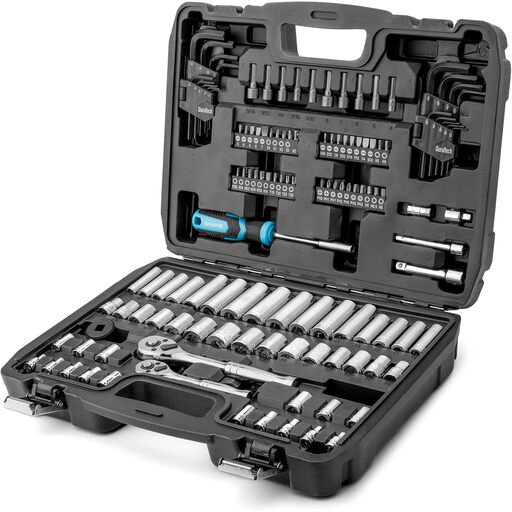
Why it suits this user: This set combines 1/4- and 3/8-inch ratchets with metric and SAE sockets, bits, hex keys and extension bars. That makes it suitable for basic work on cars, motorbikes and around the home.
The product description lists the pieces by category, so you don’t have to judge the set by its total piece count alone.
121 pieces, Cr-V steel sockets, quick release and a sturdy storage case.
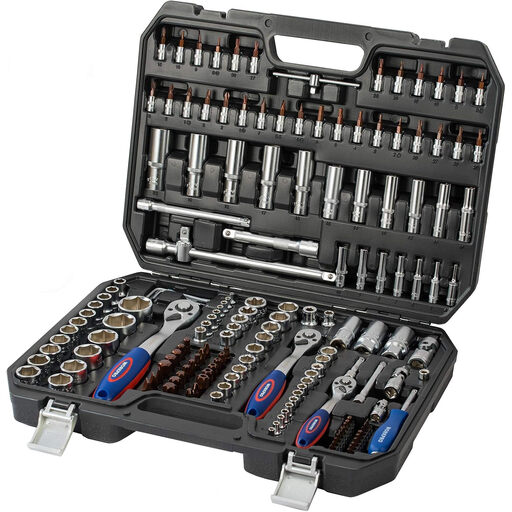
Why it suits this user: With three drive sizes, Torx sockets, deep sockets, spark plug sockets and universal joints, this set is ideal for more intensive garage work and a range of vehicles.
The set specifies ratchets with 72 teeth, sockets in different depths and separate accessories, making it easy to check what’s included.
172 pieces, three ratchet sizes, S2 bits, Torx and spark plug sockets, and a labelled case.
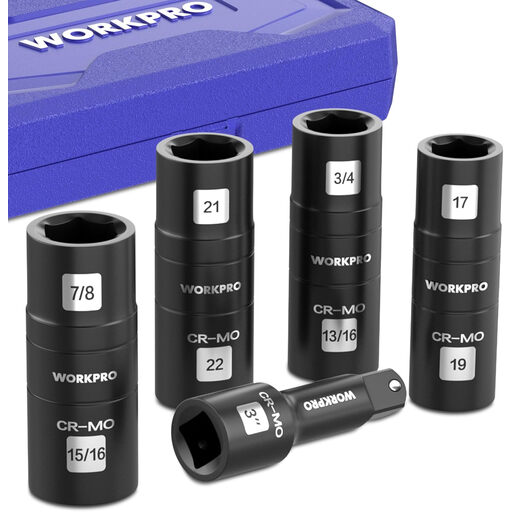
Why it suits this user: This compact set is designed for wheel nuts and jobs involving high impact loads. The double-ended sockets combine metric and SAE sizes.
The description specifies Cr-Mo steel and states that the sockets are designed for the high torque of impact drivers.
Eight sizes, 1/2-inch drive, 3-inch extension bar and a compact plastic case.
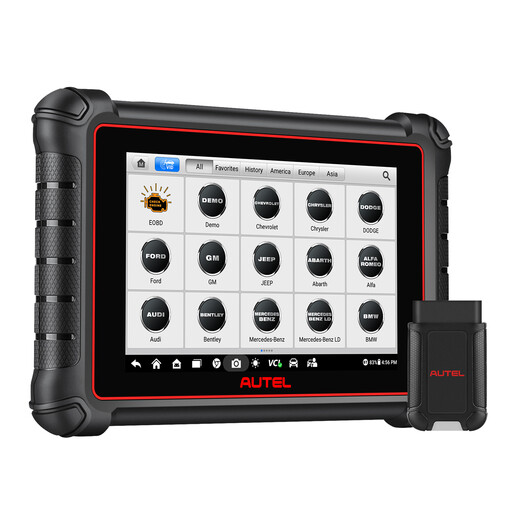
Why it suits this user: This tablet-style vehicle diagnostic tool is designed for users who want to view live data, run system diagnostics and perform active tests, as well as read fault codes.
According to the product information, the model supports CAN FD and DoIP, among other protocols, but coverage and functions may vary by make and model year.
8-inch screen, Bluetooth connection, AutoVIN according to the product description, and support for multiple protocols.
Use tools according to the instructions and check beforehand that the drive size and tool size are suitable. Make sure the vehicle is stable on level ground and use axle stands when working underneath it. A jack alone is not safe as permanent support.
With diagnostic equipment, a fault code points to a possible problem, but it doesn’t always reveal the full cause. Make a note of the code before clearing it, and check the vehicle’s technical documentation. Take extra care when working on brakes, airbags, high-voltage systems or steering.
We’ve put together a complete, up-to-date list of products that meet these strict selection criteria and the applicable European safety regulations.
Start with a set that includes 1/4- and 3/8-inch ratchets, metric sockets, extension bars, bits and hex keys. A 121-piece set may be suitable for routine maintenance and minor repairs. For changing wheels, you’ll also need a 1/2-inch drive, suitable sockets and, ideally, a torque wrench.
An electric impact wrench can help you loosen and initially tighten wheel bolts. Use suitable impact sockets and check the maximum torque rating. Always finish tightening wheel bolts with a torque wrench, following the vehicle manufacturer’s specifications. The 200 N·m rating listed for one model is a product specification, not a guarantee that it’s suitable for every wheel bolt or car.
Running costs depend on the model and software. Some scanners work with a free app or offer updates without an extra subscription; others charge for updates or special features after a certain period. Before buying, check that the app is compatible with your phone and that it includes the vehicle functions you need.
