
Vandaag of morgen in huis

Kwaliteit gegarandeerd

Welkomstaanbiedingen ontgrendelen: GRATIS bezorging | Tot 80% korting | Gratis 30 dagen JoyPlus-proefperiode
Download de app
Anyone who works on a car, motorbike or workshop project soon realises that car tools vary greatly in quality, application and ease of use. A low price means little if a ratchet doesn’t fit properly, a battery unexpectedly runs flat, or an OBD2 device won’t communicate with your vehicle.
This buying guide helps DIY enthusiasts, car owners and small garages make informed choices. The focus is on verifiable specifications, not marketing claims.
A car tool set with 450 pieces might look appealing, but it often contains lots of duplicate bits or sizes you rarely use. So, check the following:
For vehicles in the UK, metric sizes are usually more important than a large number of SAE sizes.
An electric impact wrench with a stated torque of 200 Nm can be handy for loosening wheel bolts. That doesn’t automatically mean it’s suitable for tightening wheel bolts to their final torque. For precise tightening, always use a torque wrench according to the vehicle manufacturer’s specifications.
Also, pay attention to the difference between:
An OBD2 car diagnostic tool can read fault codes, but features vary significantly by make, model year and system. Before you buy, check:
According to the manufacturer’s product description, functions can vary by model and year. Also, treat a diagnostic message as an aid for inspection, not as a definitive repair instruction.
With a socket set, you’ll often come across chrome-vanadium steel (Cr-V) . This material is widely used for hand tools. For impact work, sockets made of chrome-molybdenum steel (Cr-Mo) are more common, as they are designed to withstand high torque fluctuations.
Do not use standard hand sockets on an electric impact wrench unless the manufacturer explicitly allows it. Also, look for clear size markings and a suitable locking mechanism.
A 1/4" ratchet is suitable for smaller bolts and precision work. A 3/8" drive is versatile for general car and motorbike tools. A 1/2" ratchet or impact socket makes more sense for wheel bolts and heavier connections.
A ratchet with 72 teeth has a small back-swing angle. That’s practical in tight engine bays, but it doesn’t automatically make a ratchet suitable for every heavy-duty job.
With cordless tools, don’t just check the voltage. Also look at:
With a car polisher, the backing pad, orbit, speed range and included pads are important. A 125mm disc is suitable for many general surfaces; smaller plates are handier for headlights, edges and narrow sections.
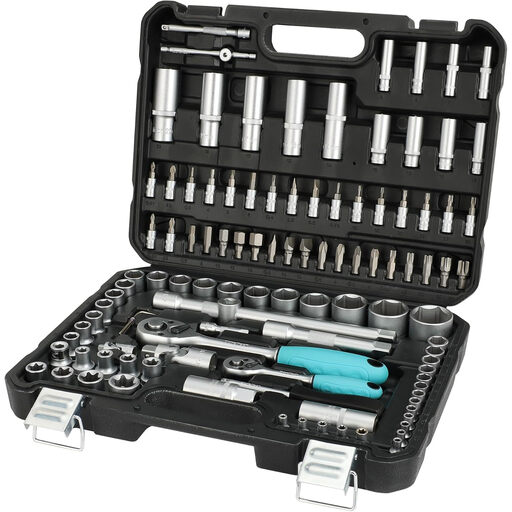
Why This Fits Their Persona: A clear, basic set for car owners who carry out their own maintenance, bike repairs or small jobs.
The set lists metric sizes, 1/4" and 1/2" ratchets, extension bars and a marked case. So you can see exactly which parts you’re buying.
108 pieces, Cr-V sockets, S2 bits and 72-tooth ratchets according to the product information.
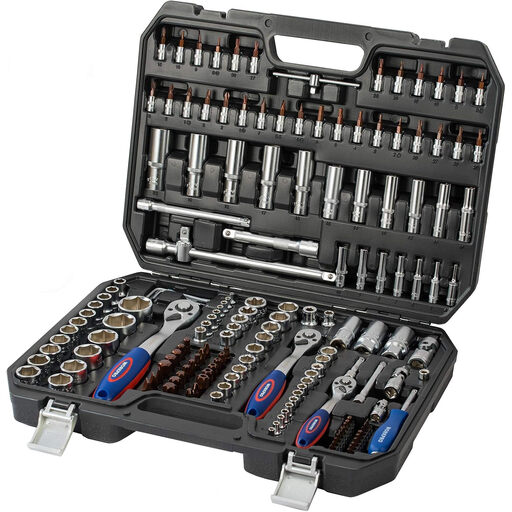
Why This Fits Their Persona: Suitable for hobby mechanics and small workshops that need multiple drives and bit types.
The contents list separately mentions 1/4", 3/8" and 1/2" sockets, Torx sockets, spark plug sockets and extension bars.
172 pieces, Cr-V sockets, S2 bits and three 72-tooth quick-release ratchets.
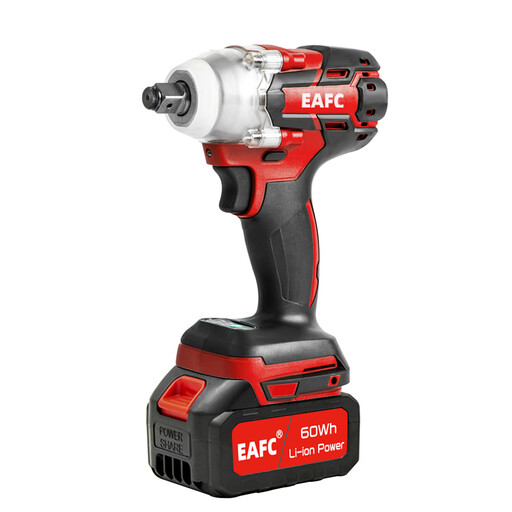
Why This Fits Their Persona: Handy for wheel changes and dismantling work where freedom of movement is important.
The product information states 200 Nm, 21 V, a battery and a 1/4" forward/reverse switch. Check before use whether the included or chosen sockets fit.
Cordless design, LED lighting and adjustable speed according to the product description.
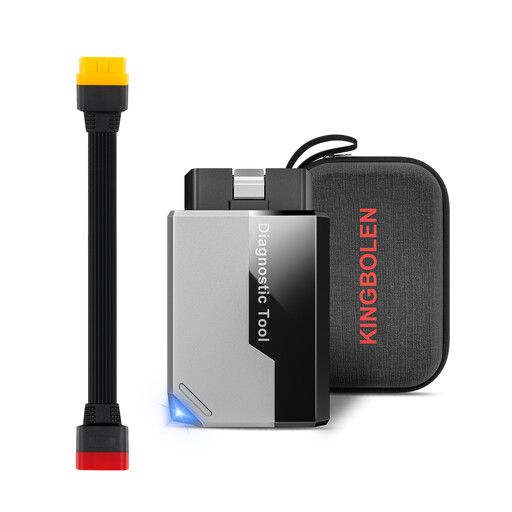
Why This Fits Their Persona: An option for users who want to view vehicle systems and certain maintenance functions in addition to fault codes.
The manufacturer mentions Bluetooth 5.2, Android and iOS support, and OBDII/EOBD support. Check vehicle coverage before purchase.
The product description mentions full-system diagnosis, live data and multiple maintenance functions. Availability may vary by model and year.
Browse our current range of car tools and compare sets, electric wrenches, polishers and diagnostic tools based on their product specifications.
For simple maintenance tasks, a set with metric sockets, a 1/4" and 3/8" ratchet, extension bars, Torx bits and hex keys is usually practical. If you also tackle wheels, brakes or larger bolts, you can add a 1/2" drive and suitable impact sockets.
Yes, if you need to tighten bolts to a specified torque. An impact wrench is mainly intended for quick loosening and tightening. Check the final torque with a torque wrench and follow the vehicle specifications.
No. Although many cars from around 1996 onwards have an OBD2 or EOBD connection, protocols and available functions differ. So check the make, model, year, connection and software coverage before you buy an OBD2 car diagnostic tool.
