
Vandaag of morgen in huis

Kwaliteit gegarandeerd

Welkomstaanbiedingen ontgrendelen: GRATIS bezorging | Tot 80% korting | Gratis 30 dagen JoyPlus-proefperiode
Download de app
A car repair tool set can quickly look complete when there are lots of pieces in the case. In practice, you may only use some of them, while a suitable socket set, ratchet or torque wrench is missing. For car owners, DIY enthusiasts and garages, making the right choice is therefore not just about the number of pieces. Sizes, accessibility, materials and storage are just as important.
A set containing dozens or hundreds of pieces may seem appealing. However, first check whether it includes the most commonly used metric sizes. For cars, 8 to 19 mm are often practical, although the sizes required vary by make, model and job. A set containing mainly SAE sizes is less useful if you mainly work on European vehicles.
There is very little room to manoeuvre in an engine bay. A ratchet set with a large return angle can therefore be awkward to use. Check the number of teeth. A ratchet with 72 teeth and a 5-degree working angle requires less space for each movement than a simpler mechanism. This is particularly useful around mounting points near the engine block, wheel suspension or interior.
Bolts that are fitted too loosely can come undone during use, while overtightening can damage threads or components. An ordinary ratchet is not a substitute for a torque wrench. Always check the specified torque in the vehicle documentation. A torque wrench must also be used correctly and stored according to the instructions. Any accuracy stated in a product listing is a specification provided by the seller; it is not a guarantee that every application will automatically be safe.
Ideally, a complete tool set should include several drive sizes:
A combination ratchet spanner set is useful when you want to switch quickly between an open-ended spanner and a ring end with a ratchet function. For simpler maintenance, a set of open-ended spanners may be sufficient. However, check that the spanner fits the bolt exactly to help prevent damage to the corners.
Much hand tool equipment is made from chrome vanadium steel, often referred to as Cr-V. Heat treatment and a chrome-plated or polished finish can help improve wear resistance and protect against corrosion. This does not mean that the tools are maintenance-free. Wipe off oil and moisture after use and store metal components in a dry place.
A black oxide finish, as found on some pry bar sets, is a protective surface treatment. When choosing a pry bar, also consider its length, the angle of the tip and whether it has a striking cap. Only use this type of tool for the tasks it is designed for; it is not a substitute for a torque wrench or impact wrench.
For wheel bolts, engine components and bicycle or motorbike maintenance, the range of a torque wrench is important. A model covering 5–220 Nm is suitable for different jobs from a compact version covering 4.2–85 Nm. A digital torque wrench may provide audible, LED and vibration alerts; according to the product description, these functions are intended to indicate when the preset torque has been reached. Before buying, check the units of measurement, drive size, battery requirements and storage instructions.
For brake lines, use a flare-nut spanner. The opening allows the spanner to slide over the line, while providing more grip on the union nut than a standard open-ended spanner. Only work on brake systems if you are familiar with the procedure and vehicle type. After fitting, check carefully for leaks and follow the manufacturer’s instructions.
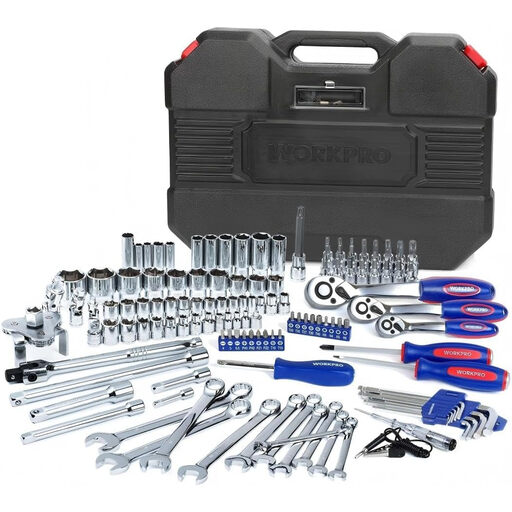
Why it suits this user profile: This comprehensive set is intended for car owners who also want to tackle household jobs. The case includes sockets, ratchets, screwdrivers, open-ended spanners and bits.
The contents are neatly organised in a case with dedicated slots. Before buying, check that the included sizes are suitable for your vehicle.
123 pieces, metric and SAE sockets, three drive sizes and a carrying case.
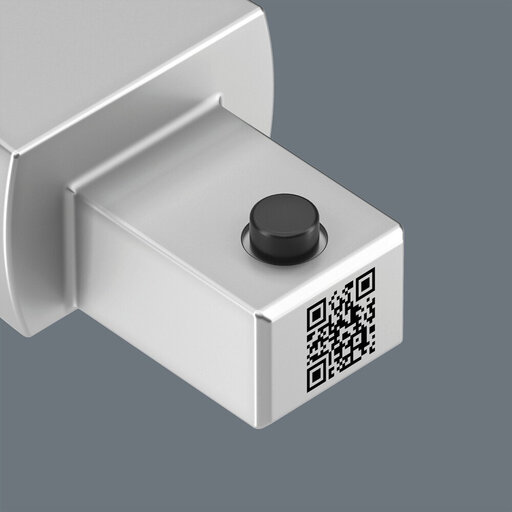
Why it suits this user profile: A targeted addition for users working with a compatible Click-Torque X or XP torque wrench who want to cover a range of spanner sizes.
The 9x12 mm drive is clearly specified. Before buying, check that this size is compatible with your torque wrench.
Self-adjusting jaw, smooth parallel-guided jaws and a ratchet function with a 30-degree return angle.
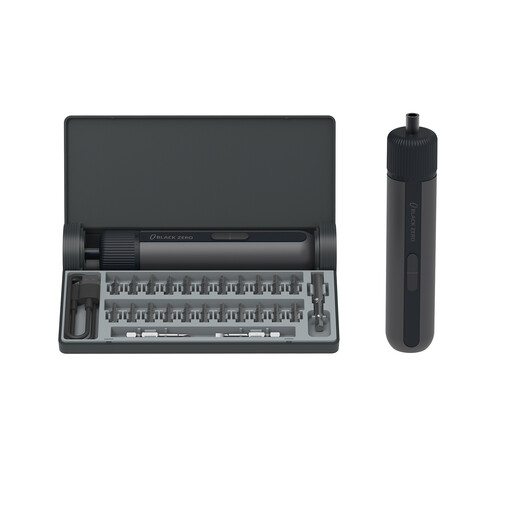
Why it suits this user profile: For light assembly, interior work, bicycle accessories and household repairs, a compact electric screwdriver is easier to carry around than large professional hand tools.
The specifications list 24 bits, five speed settings, four torque settings and a USB-C connection. Only use the tool for light applications; it is not a substitute for an impact wrench.
Compact size, weight of approximately 296 grams, magnetic extension bar and integrated magnetiser.
Start with the jobs you actually carry out. For general maintenance, a socket set, combination ratchet spanners, screwdrivers, hex keys and extensions are a sensible starting point. Then add a torque wrench, flare-nut spanner or pry bar set as required.
Also look for:
We have put together a complete, up-to-date list of products that fully meet these strict selection criteria and the applicable European safety regulations.
Choose a basic set with metric sockets, 1/4- and 3/8-inch ratchets, extensions, bits and several combination or open-ended spanners. For fitting wheels or working on components with a specified torque setting, you will need a separate torque wrench.
That depends on the materials, size range, drive sizes and intensity of use. A large set can be practical, but check that the ratchets, sockets and spanners are suitable for daily use. For a workshop, additional specialist sets are often worthwhile.
Clean and dry your tools after use, remove oil and store them in the original case or storage pouch. After use, reset a mechanical torque wrench according to the instructions. Store electrical tools in a dry place and charge them using the supplied or suitable connection.
