
Vandaag of morgen in huis

Kwaliteit gegarandeerd

Welkomstaanbiedingen ontgrendelen: GRATIS bezorging | Tot 80% korting | Gratis 30 dagen JoyPlus-proefperiode
Download de app
Being on the road in your car, camper, or boat means freedom. But that freedom is far less enjoyable with lukewarm drinks and spoiled food. A quality car refrigerator isn't a luxury; it's a necessity. However, the market is flooded with models that overpromise and underdeliver. Before you invest, it's wise to know what to look for.
As a Product Recommendation Officer at Joybuy, I see the challenges buyers face every day. Many disappointments can be avoided by recognizing three common pitfalls:
This guide will help you avoid these problems and choose a model that truly fits your travel plans.
Marketing terms can be confusing. Instead, focus on the technical specifications that truly matter. These are the three most important factors that determine the performance and usability of your portable refrigerator.
This is the most critical distinction. The technology determines how cold the cooler can get and how efficiently it does so.
A car refrigerator must be flexible in its power sources and protect your vehicle's battery.
The right size and convenient extras make all the difference in user experience.
Not every cooler is suitable for every situation. Below are several models that fit different user profiles, based on their objective specifications.
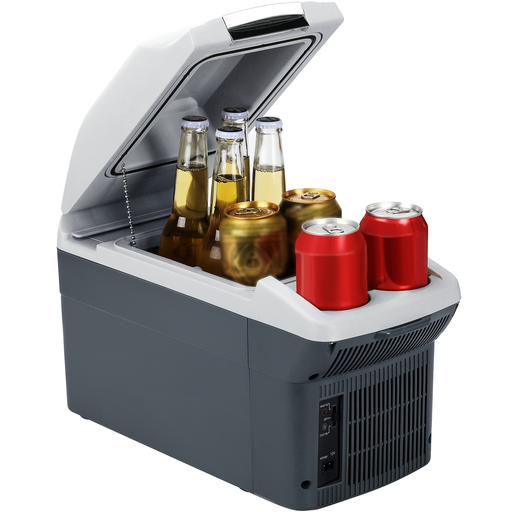
Why This Fits Their Persona: Perfect for those who want to keep lunch and drinks cool during their commute or a day out. Its compact size fits easily on the passenger seat, and the cup holders are convenient for on-the-go use.
This model bypasses the "just not practical" pitfall for short trips. It's specifically designed for convenience in the car, not for extreme cooling. The thermoelectric technology is sufficient to keep contents fresh.
Can both cool and heat. The design, with dual cup holders and a carrying strap, is focused on mobility and convenience.
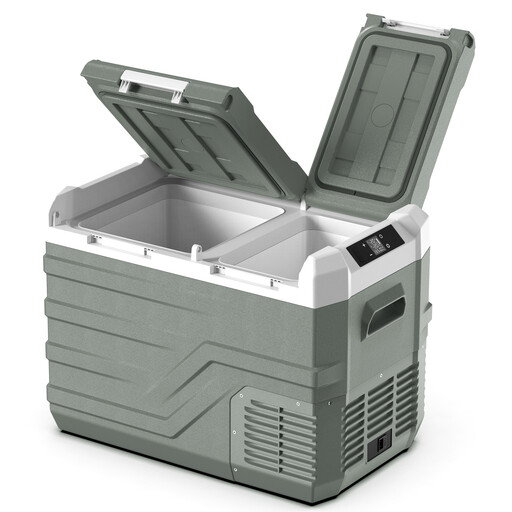
Why This Fits Their Persona: Ideal for RV owners and campers on extended trips. The 31-litre capacity is spacious enough for several days' worth of groceries, and the freezer function allows you to bring along ice and frozen goods.
As a compressor cooler, this model completely avoids the "barely cools" pitfall. It reaches -20°C, even in a warm environment. The built-in battery protection prevents the "dead battery" pitfall.
The dual zones with separate temperature controls offer maximum flexibility. It operates on 12V, 24V, and 230V, making it usable in virtually any vehicle and at the campsite.
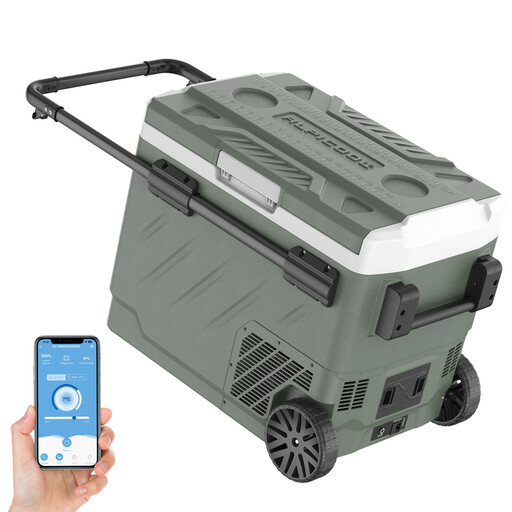
Why This Fits Their Persona: With a 49-litre capacity, there's enough room for food and drinks for an entire family on a long holiday. The wheels and retractable handle make moving the fully-loaded cooler much easier.
Solves the "insufficient capacity" pitfall for larger groups. The reliable compressor and battery protection provide peace of mind during long journeys, while app control adds modern convenience.
Very large capacity (49L), convenient wheels and handle for transport, and the ability to control the temperature remotely via a smartphone app.
We have compiled a complete, up-to-date list of products that meet these strict selection criteria and safety standards.
Power consumption depends on the size, set temperature, and ambient temperature. Most compressor coolers have an ECO mode for lower consumption. On average, they consume around 45-60 Watts when the compressor is active. However, thanks to good insulation, the compressor does not run continuously, resulting in lower average consumption over a day.
Yes, that's exactly what the battery protection is for. By setting the protection to the correct level (High, Medium, or Low), you ensure the cooler shuts off before the battery drains too much. This allows you to sleep soundly and still start your car the next morning without any issues.
Traditionally, these were different devices. Nowadays, most compressor coolers are both a refrigerator and a freezer in one. Thanks to a wide temperature range (e.g., from +20°C to -20°C), you can choose whether to use the box for cooling or freezing. Models with dual zones even offer the ability to do both at the same time.
