
Vandaag of morgen in huis

Kwaliteit gegarandeerd

Welkomstaanbiedingen ontgrendelen: GRATIS bezorging | Tot 80% korting | Gratis 30 dagen JoyPlus-proefperiode
Download de app
A flat battery often happens at the worst possible moment: in a car park, during a camping trip or just before leaving for work. A car jump starter can get you moving again without needing a second car and jump leads. However, not every portable jump starter is suitable for every vehicle.
The biggest buying mistakes usually result from three misunderstandings:
First, look at the combination of peak current, battery voltage and engine size. Most models in this category are designed for 12V vehicles, including cars, motorbikes, motorhomes, vans and some agricultural vehicles.
A petrol engine generally requires less starting power than a diesel engine. A car jump starter for a small petrol engine may therefore be unsuitable for a diesel motorhome or lorry. Pay attention to the limits in the product information, for example:
These figures are the manufacturer's product specifications and are not a guarantee for every situation. A very cold battery, poor battery-terminal connections or a technical fault may still prevent the engine from starting.
A good car jump starter has a smart cable module with protection against:
Also check that the clamps are sturdy and make good contact with the battery terminals. Some models emit an audible signal or display a warning on a screen when the connection is incorrect.
Always follow the instructions. In many cases, you connect the red clamp to the positive terminal and the black clamp to a suitable, unpainted metal part of the chassis. Start the engine briefly and remove the clamps as soon as the engine is running. Do not use a car emergency starter on a visibly damaged, leaking or frozen battery.
Capacity is often stated in mAh or Wh. For starting the engine, capacity is not the only important factor; maximum current output matters too. For phones, tablets and laptops, the connections are more relevant:
A jump starter power bank with a torch is practical if you break down in the dark. If you regularly travel by car, an integrated compressor can offer extra value. In that case, check the maximum pressure, the types of connections, automatic shut-off and the recommended cooling intervals.
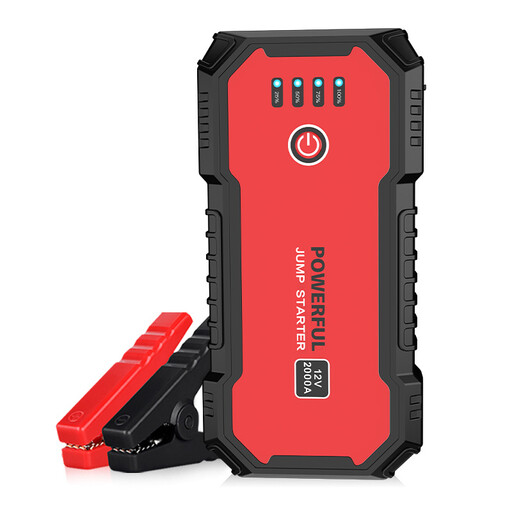
Why it suits this profile: According to the product information, this compact 1500A portable jump starter is designed for 12V petrol and diesel vehicles, including cars, vans and motorbikes.
The product information states a rated capacity of 10,000mAh, so you do not have to focus solely on the larger marketing figure of 14,000mAh.
1500A peak current, QC3.0 18W USB output, three lighting modes and a weight of approximately 430 grams.
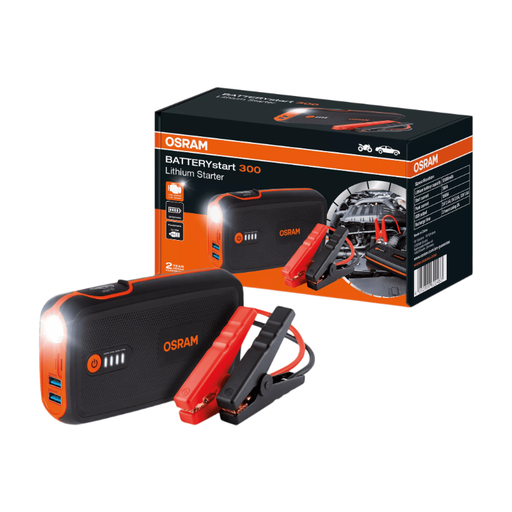
Why it suits this profile: For motorists who value a well-known brand, a compact casing and clear vehicle limits.
The stated limit is specific: up to 6L petrol and 3L diesel. This helps prevent you from buying a model for a heavier diesel vehicle without the appropriate specification.
1500A peak current, 13,000mAh capacity, dual USB output, LED lamp and a stated two-year manufacturer's warranty.
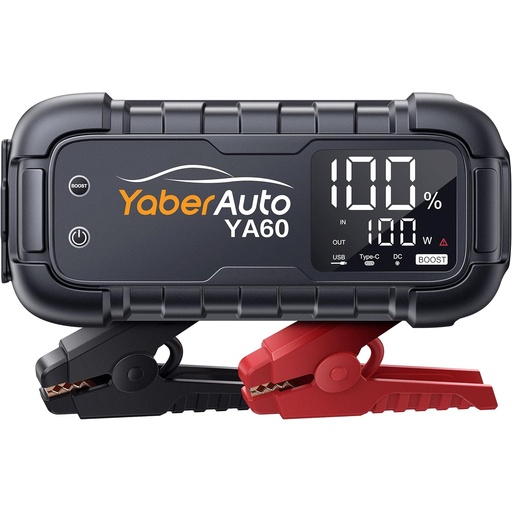
Why it suits this profile: Designed for motorhome owners, outdoor enthusiasts and drivers of larger vehicles who need high output power and fast charging options.
Alongside the high stated peak current, the manufacturer specifies clear limits: up to 12L diesel and suitable for 12V systems. Always check this against your vehicle handbook.
8000A peak current, 65W USB-C charging, 150W DC output, 600-lumen lighting and ten listed safety features.
We have put together a complete, up-to-date list of products that fully meet these strict selection criteria and the applicable European safety regulations.
Fully charge a new jump starter before using it for the first time. Store the device in a dry place away from direct sunlight. Check the charge level every two to six months according to the instructions. A model left unused for months in a cold boot may deliver less power.
Do not use damaged cables or a casing with cracks. Clean the clamps and never touch both clamps at the same time with a metal object. A portable battery charger can charge the battery slowly, whereas a jump starter delivers a short burst of high current to start the engine. They are therefore different devices.
Only if the product information states that it is suitable for both engine types and your engine size. Also check whether the vehicle has a 12V battery. A model for petrol engines up to 6 litres is not automatically suitable for a heavy diesel engine.
Its service life depends on storage temperature, charging frequency and usage. Follow the manufacturer's charging interval and avoid storing it in heat for extended periods. A stated standby period is a brand claim; according to the brand's own research, actual user experience may vary depending on the situation.
No. Car jump leads connect your flat battery to a second vehicle. A jump starter contains its own battery and works independently. Choose a jump starter if you do not want to rely on another motorist, but check vehicle compatibility and safety instructions beforehand.
