
Vandaag of morgen in huis

Kwaliteit gegarandeerd

Welkomstaanbiedingen ontgrendelen: GRATIS bezorging | Tot 80% korting | Gratis 30 dagen JoyPlus-proefperiode
Download de app
A flat battery often happens at the worst possible moment: before leaving for work, on the way to the campsite or after a cold night. A car jump starter can be the answer, but not every model is suitable for every vehicle. Marketing claims about amps, battery capacity and “universal” compatibility can create a misleading impression.
The most important question is not which jump starter has the highest number on the packaging, but whether the device suits your vehicle, how you intend to use it and where you will store it.
A figure such as 2.000A, 4.500A or 7.000A sounds impressive. However, the peak current is not the same as the current the device can deliver continuously while starting the engine. So also check the stated starting current, supported engine size and engine type.
A 12V jump starter for a small petrol car has different requirements from a battery booster for an SUV, van or diesel vehicle.
Many models are suitable for 12V systems, but that does not automatically mean they are suitable for every vehicle. Check the following:
A jump starter for diesel and petrol engines may be suitable for both engine types, but the stated limits can differ considerably.
A jump starter power bank with an LCD screen, torch and USB output is useful, but extra features do not automatically make the device suitable as a car battery charger. A jump starter helps with an emergency start; it will not usually fully recharge a flat battery like a conventional battery charger.
If you choose a jump starter with a compressor, also check the maximum operating time. For several models, it is recommended that you allow the car tyre inflator to cool down between uses.
Use the maximum engine size as a practical point of comparison. For everyday use with a compact petrol car, a model with a lower current rating may be sufficient. For a large diesel, SUV or van, it is sensible to choose a model with some extra capacity.
The product specifications for the models below include figures ranging from 1.200A to 7.000A peak current. Treat these figures as the manufacturer’s product specifications, not as a guarantee that every emergency start will work in all circumstances.
A higher mAh rating means more stored energy, but the stated capacity may differ from the actual available output capacity. For example, the Porbi S306 lists 12.800mAh, with a stated nominal output capacity of 7.200mAh. Also look at:
Do not store a lithium jump starter in direct sunlight or in an extremely hot car for extended periods. Check the charge every few months, even if you have not used the device.
A good car jump starter should include clear instructions and appropriate safety features. Look for functions such as:
Always follow the instructions. Usually, you should connect the red clamp to the positive terminal and the black clamp to the negative terminal or a suitable earthing point, depending on the model’s instructions. Do not use a jump starter with a damaged, leaking or frozen battery.
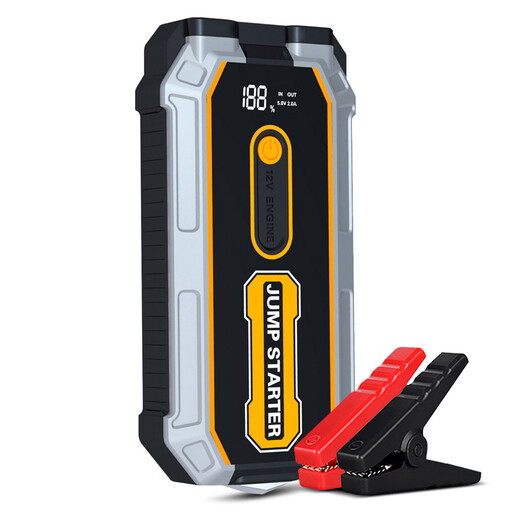
Why it suits this profile: A compact choice for motorists with a 12V petrol or diesel car who mainly want a simple emergency starting function and power bank.
The product information lists both 1.200A peak current and 600A starting current, as well as compatibility with 12V petrol and diesel vehicles.
330 grams, LCD indicator, USB output and LED light with three modes.
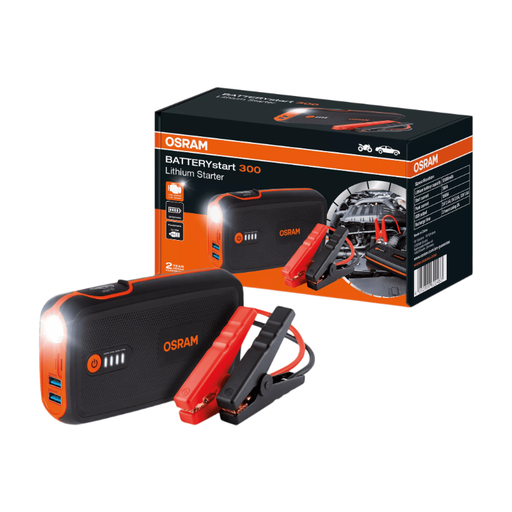
Why it suits this profile: For anyone who values a well-known brand, a clearly stated vehicle limit and a longer warranty period.
The product specification separately states 1.500A peak power and support for engines up to 6L petrol or 3L diesel.
13.000mAh, two USB outputs, LED lamp and an official two-year warranty according to the product information.
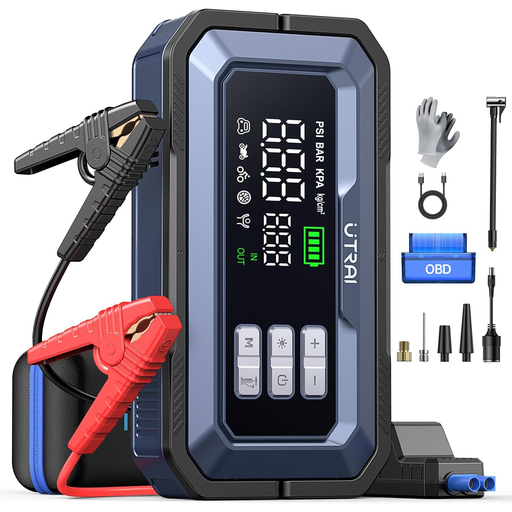
Why it suits this profile: Designed for drivers of larger vehicles, road-trippers and campers who also want a compressor and 12V output.
The listing states 1.000A starting current, support for 12V vehicles and diesel engines up to 14L. Always check this against your vehicle handbook.
Compressor up to 150 PSI, 160W DC output, 18W USB-C charging and OBD2 adapter according to the product description.
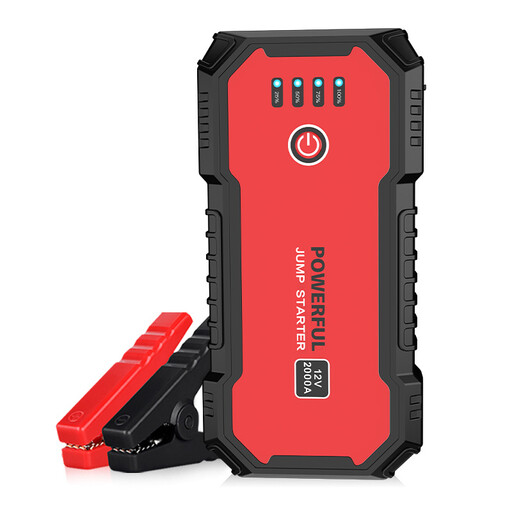
Why it suits this profile: A portable model for everyday use, commuting and emergencies when you do not need a compressor.
The product page lists 1.500A peak current, 12V compatibility and a rated battery output of 10.000mAh alongside the total 14.000mAh capacity.
Approximately 430 grams, USB QC3.0 with 18W and LED light with continuous, strobe and SOS modes.
We have put together a complete, up-to-date list of products that fully meet these strict selection criteria and the applicable European safety regulations.
You can, but several product instructions advise against prolonged exposure to high temperatures, moisture and direct sunlight. Ideally, store the device in a protective case in a dry place and recharge it periodically.
This varies by model. Product information for several models recommends an interval of approximately two to six months. Check the instructions and fully charge the jump starter before using it for the first time. An LCD screen makes it easier to check the remaining charge.
Only if you want to inflate a tyre yourself while on the road. A jump starter with compressor combines both functions, but is usually heavier and larger. If you simply want to be prepared for a flat battery, a more compact car jump starter may be more practical. If you have a puncture, also consider carrying a spare wheel, tyre repair kit and breakdown cover.
