
Vandaag of morgen in huis

Kwaliteit gegarandeerd

Welkomstaanbiedingen ontgrendelen: GRATIS bezorging | Tot 80% korting | Gratis 30 dagen JoyPlus-proefperiode
Download de app
A flat car battery often strikes at the worst possible moment: on a cold morning, during a road trip or in a remote car park. A car jump starter can help you start a vehicle with a flat 12V battery, without needing a second car.
However, not every portable jump starter is suitable for every vehicle. Marketing claims such as “3000A”, “universal” and “packed with features” only tell you so much when taken on their own. You need to match them to your engine type, capacity and how you plan to use the device.
A high peak current sounds impressive, but it’s not the only factor to consider. Check which petrol and diesel engines the jump starter is rated for, according to the product description. A model for smaller cars may not be suitable for an SUV, van or boat.
Also, be aware of the difference between peak current and starting current. Peak current is a brief maximum; starting current gives you a more realistic idea of the support available when starting the engine.
A 12V jump starter is designed for 12V systems, but that doesn’t automatically mean every model can start every engine. Check:
Don’t use a car emergency jump starter with a damaged, leaking or frozen battery. If you’re unsure about the electrical system, it’s best to have it checked by a professional.
A jump starter provides temporary starting power. A car battery charger typically charges a battery more slowly and in a more controlled way from a mains socket. The two devices therefore serve different purposes.
A car power bank, LED emergency light or portable air compressor can be useful, but these features don’t automatically make a device suitable for your vehicle. Check the starting function first, then consider the extras.
Choose a model with stated engine limits that are higher than your vehicle’s requirements. For a compact petrol car, a model with 1500A may be suitable based on the product specifications. For a larger diesel engine or frequent use, a higher stated peak current may make more sense.
The manufacturer’s product information should be your starting point. A higher figure doesn’t guarantee that a vehicle will start in every situation. Battery condition, temperature, cable contact and engine condition all play a part.
Capacities such as 14.000mAh, 16.800mAh or 20.000mAh are often prominently displayed. Check whether the manufacturer also specifies a nominal or rated capacity. This may be lower than the battery’s gross capacity.
A jump starter will only be ready to use if you look after it:
Look for features such as reverse-polarity, overheating and overload protection. Indicator lights or a screen can help you spot an incorrect connection, but always follow the manual.
In most cases, connect the red clamp to the positive terminal and the black clamp to the negative terminal or a designated metal earth point. Put the car in park or neutral, and switch off the lights, ventilation and other electronics before starting.
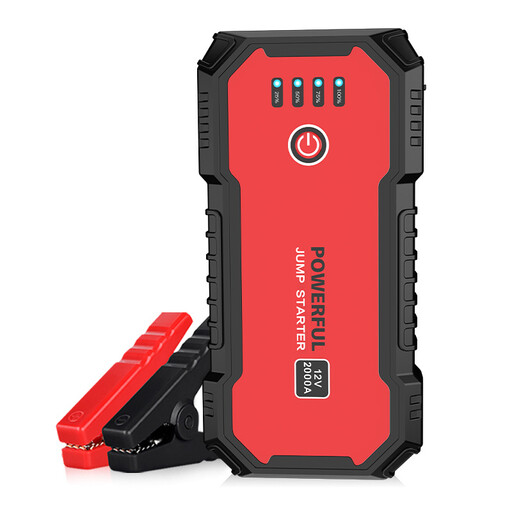
Why it suits this user: For drivers looking for a compact jump starter for a 12V car, SUV, van or motorbike, without a compressor.
The product description specifies 12V compatibility and support for petrol and diesel vehicles. Be sure to check your vehicle’s engine capacity.
1500A peak current, weighs around 430 grams, USB power bank function and LED lighting with three modes.
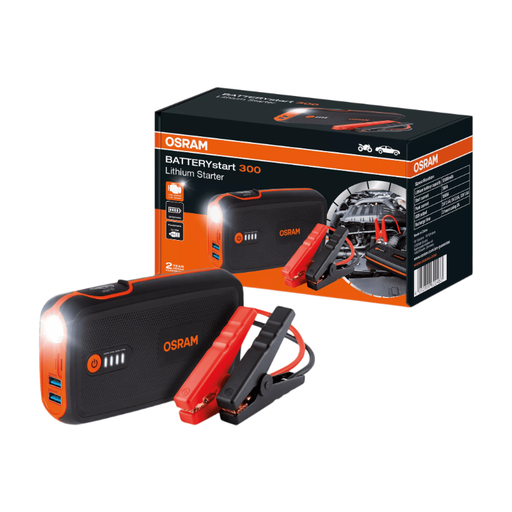
Why it suits this user: A familiar brand and clear specifications matter if you want to keep a jump starter in your car for everyday use.
The product information lists separate limits for petrol and diesel engines: up to 6L and 3L respectively. This makes it easier to compare the specifications with your vehicle.
1500A peak power, 13.000mAh battery, two USB outputs, LED light and a stated two-year warranty.
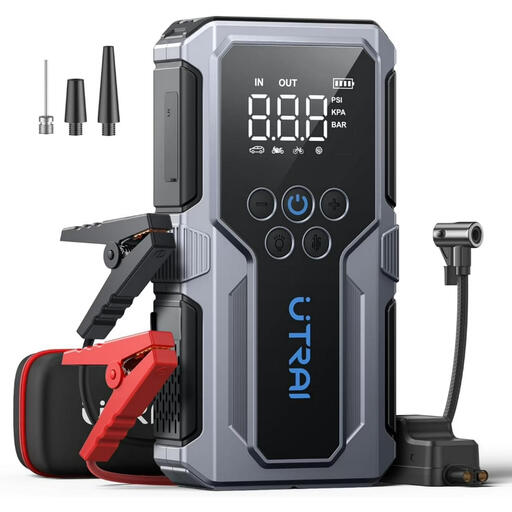
Why it suits this user: Ideal for drivers who want to check or adjust tyre pressure as well as start their vehicle, whether travelling, camping or dealing with a breakdown.
According to the product description, the LCD screen shows the battery status and tyre pressure. The compressor switches off automatically at the set pressure; let the device cool down between uses.
3000A peak current, compressor up to 150 PSI, 15.000mAh battery, USB and USB-C ports, and three light modes.
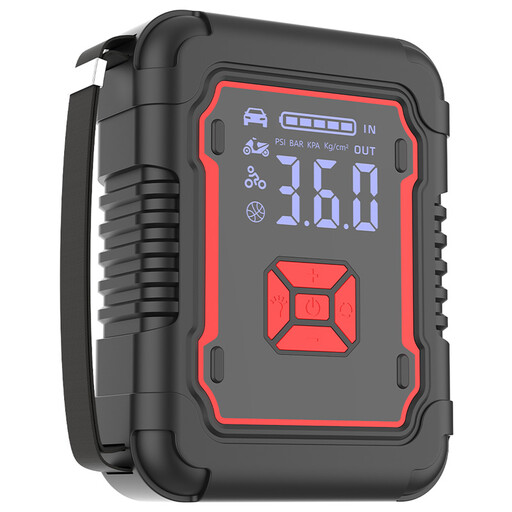
Why it suits this user: A versatile portable jump starter for anyone who wants starting assistance, a tyre inflator, lighting and USB charging in one device.
The listed features are clearly specified: 3000A peak current, compatibility with 12V vehicles and a compressor up to 150 PSI. Before buying, check that these specifications suit your vehicle.
20.000mAh battery, QC3.0 18W power bank, automatic compressor shut-off and LED lighting with SOS mode.
We’ve put together a complete, up-to-date list of products that meet these strict selection criteria and the applicable European safety regulations.
Switch off the car and put the gearbox in park or neutral. Connect the red clamp to the positive terminal and the black clamp to the negative terminal or the designated earth point. Only start the car once the indicator light shows that the connection is correct. Once the engine is running, remove the clamps in the order specified in the manual.
Its lifespan depends on the battery type, storage temperature, charging habits and number of starting attempts. Recharge the unit regularly, even when you’re not using it. Store it in a dry place and avoid leaving it in a hot car for long periods.
No. A car battery charger is designed to charge a battery from the mains or through a suitable connection. A jump starter or car booster mainly provides temporary power to start a vehicle. If your battery keeps going flat, have the battery and the car’s charging system checked too.
