
Vandaag of morgen in huis

Kwaliteit gegarandeerd

Welkomstaanbiedingen ontgrendelen: GRATIS bezorging | Tot 80% korting | Gratis 30 dagen JoyPlus-proefperiode
Download de app
A dead battery always happens unexpectedly and at the worst possible time. Whether it's on a cold morning or in a supermarket car park, the result is the same: you're stranded. A modern car jump starter is a compact, self-contained solution that gets you back on the road in minutes, without having to depend on roadside assistance or a helpful neighbour with jumper cables.
However, the market is flooded with models that promise the world. As a Product Recommendation Officer at Joybuy, I see where consumers go wrong every day. Before you make a purchase, it's wise to be aware of the most common pitfalls.
To avoid a bad purchase, it's essential to look past the marketing and focus on the specifications that truly matter. Check these three points before making your choice.
The most important specification is the starting current (also known as 'cranking amps'). This is the power the jump starter can deliver for several seconds to start the engine. The peak current is only available for a fraction of a second.
The capacity, expressed in milliampere-hours (mAh), indicates how many times you can charge a phone or tablet. It is less relevant for starting power. More important is the battery type. Modern lithium-ion (Li-ion) or lithium-polymer (LiPo) batteries offer a lot of power in a compact package.
A quality portable jump starter has built-in safety features. Check for protection against:
These features protect not only the jump starter itself but also your car's sensitive electronics.
Manufacturers almost always specify the type and size of engine the jump starter is suitable for. This is usually indicated in litres (L) of engine displacement. A typical specification might be "suitable for petrol engines up to 6.0L and diesel engines up to 3.0L". Do not ignore this specification; it is a direct indicator of whether the car jump starter is powerful enough for your vehicle. When in doubt, always choose a model with some extra capacity.
Based on these objective criteria, we have selected a number of models that suit different user profiles.
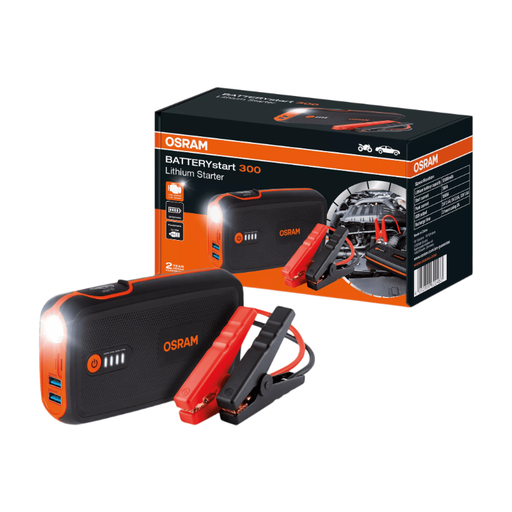
Why it fits this profile: You drive a standard passenger car daily and want a reliable, compact solution that fits in the glove compartment. No-frills, just a device that works when you need it.
This model focuses on the core function: starting. OSRAM provides clear specifications (suitable for up to 6.0L petrol/3.0L diesel) and avoids the trap of weak, unnecessary extras.
Compact and lightweight design from a renowned brand in automotive lighting and accessories. Built-in safety features protect your car's electronics.
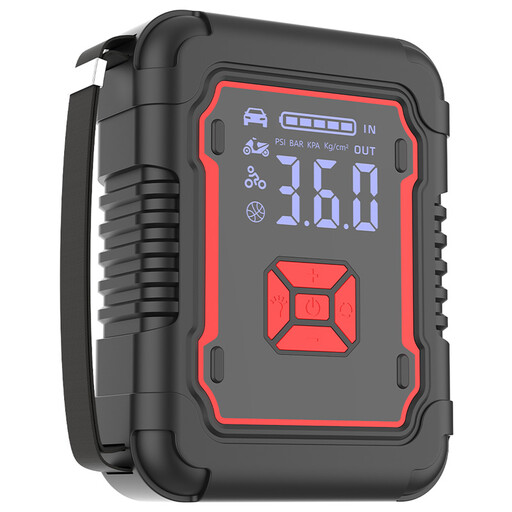
Why it fits this profile: Ideal for campers, outdoor enthusiasts, or anyone who wants to be prepared for more than just a dead battery. One device for a dead battery and a flat tyre.
Unlike many competitors, this model has a functional 150 PSI compressor that is powerful enough for a car tyre. It avoids the "all-in-one" trap by delivering features that are genuinely useful.
Combines a powerful jump-starting function with a full-fledged tyre inflator, including an auto-stop feature. The 20,000mAh battery also functions as a decent power bank.
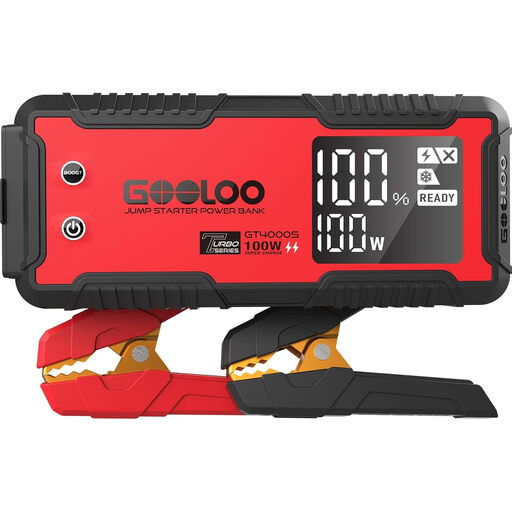
Why it fits this profile: You drive a large SUV, van, camper, or a vehicle with a heavy-duty diesel engine. You need absolute certainty that your jump starter can get the job done, every single time.
This model delivers a very high and realistic starting power, suitable for engines up to 10.0L diesel. It shatters the peak current myth by actually providing the power needed for heavy-duty vehicles.
Extreme starting power and 100W two-way fast charging. This means the jump starter itself can also be recharged incredibly quickly, ready for its next use.
We have compiled a complete, up-to-date list of products that fully meet these strict selection criteria and safety regulations.
Most modern jump starters with a lithium battery have a low self-discharge rate. It is good practice to check and fully charge the device every 3 to 6 months. This ensures it's ready for use when you need it. Always consult the manufacturer's manual for specific advice.
Yes, a quality jump starter is generally safer than using jumper cables with another car. They are equipped with multiple safety systems, such as reverse polarity and short-circuit protection. This prevents sparks and damage to your vehicle's onboard computer and other sensitive electronics.
A jump starter (or booster pack) is designed to deliver a short, powerful burst of current to start an engine with a dead battery. It is an emergency solution for on the go. A car battery charger (or trickle charger), on the other hand, is intended to slowly and fully charge and maintain a battery over a period of several hours. They serve different purposes.
