
Vandaag of morgen in huis

Kwaliteit gegarandeerd

Welkomstaanbiedingen ontgrendelen: GRATIS bezorging | Tot 80% korting | Gratis 30 dagen JoyPlus-proefperiode
Download de app
A dead battery always happens unexpectedly and at the worst possible time. Whether you're in a hurry for an appointment or stranded in a deserted parking lot late at night, it's a situation every driver wants to avoid. A car jump starter seems like the perfect solution: a compact device that brings your car back to life without needing another vehicle.
But the market is flooded with models that promise the world. Many drivers fall for common traps, ending up with an unreliable emergency starter that leaves them stranded. Let's go over the biggest mistakes.
To avoid a bad purchase, it's crucial to focus on the specifications that truly matter. These are the non-negotiable points to check before buying a jump starter for your car.
The peak current, expressed in Amps (A), determines if the jump starter is powerful enough for your engine. A small city car needs less starting power than a large SUV or a van.
Always check the manufacturer's specifications to see if they match the engine displacement for your gasoline jump starter or diesel.
The capacity, expressed in milliampere-hours (mAh), indicates how much energy the internal battery can store. This affects not only how many times you can start a car but also how useful the device is as a power bank for the car. A capacity of around 16,000 mAh is a good starting point. This allows you to make multiple start attempts and fully charge your smartphone or tablet a few times. A good portable jump starter is therefore also a lifesaver for your communication devices.
A reliable battery booster is equipped with multiple built-in safety features. Look for functions like:
Additionally, build quality is important. A robust, water- and dust-resistant housing ensures the jump starter remains reliable, even in the rain or in a dusty environment.
Not everyone has the same needs. Below are some choices tailored to different profiles and use cases.
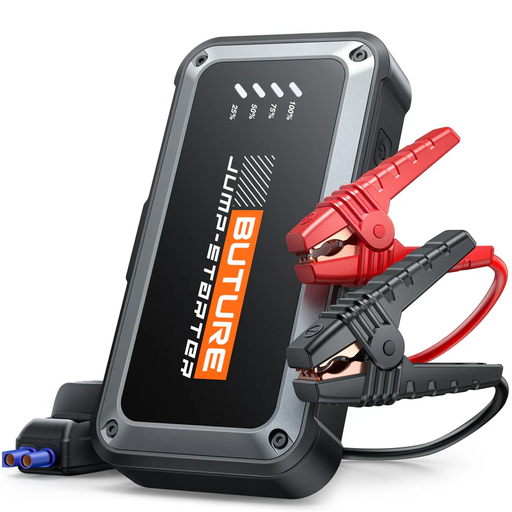
Why This Fits Their Persona: Ideal for the driver who wants to be prepared for anything. This 3-in-1 solution combines a powerful jump starter for large gasoline and diesel engines with a generous power bank and a bright LED light. Compact enough for the glove box, powerful enough for emergencies.
This model offers a clear 3000A peak current, suitable for engines up to 9.0L (gasoline) and 8.5L (diesel). The 10 built-in safety features prevent the risks associated with cheaper, unprotected models.
Multifunctional: serves as a jump starter, 16800mAh power bank with two USB ports, and a 4-mode LED emergency light. The robust housing is water- and dust-resistant.
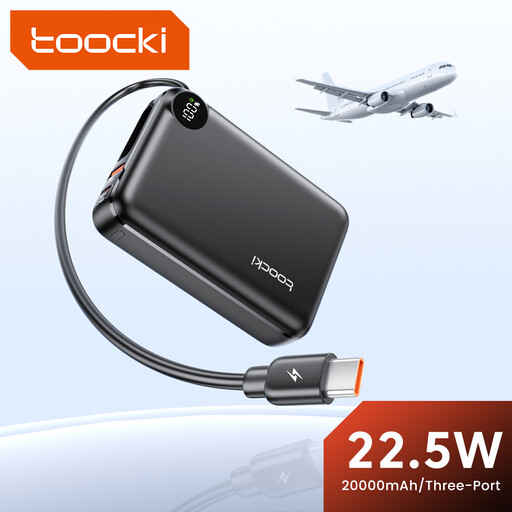
Why This Fits Their Persona: For those who are on the go and rely heavily on electronics. This user has less need for a jump-starting function and more of a need for a reliable, high-capacity power bank to keep phones, tablets, and other gadgets charged during a camping trip or long journey.
This is not a compromise. Instead of a mediocre all-in-one, this product focuses on one task: charging devices quickly and efficiently with a verified 20000mAh capacity and modern fast-charging protocols (PD3.0 & QC4+).
High capacity in a slim design. The USB-C port supports both input and output for fast charging of the power bank itself and connected devices. Ideal for those who carry multiple gadgets.
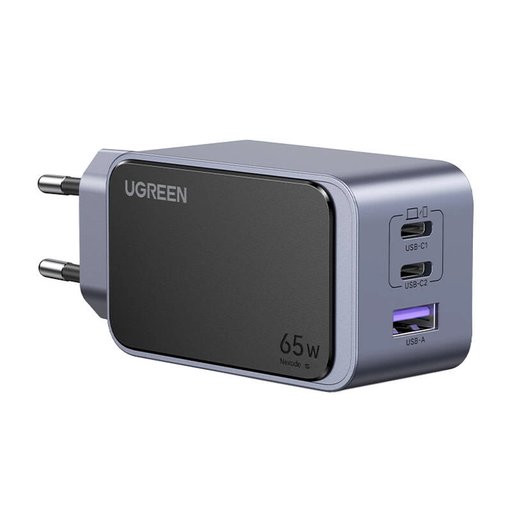
Why This Fits Their Persona: This user has a reliable car but wants to quickly charge their devices (laptop, phone) on the go or at the office. A powerful, compact charger is a perfect companion to an emergency starter in the trunk. Efficiency is key.
This charger does one thing and does it exceptionally well: fast charging. It avoids the "jack-of-all-trades" pitfall by focusing on efficient power delivery with modern GaN technology, resulting in a smaller and cooler device.
Charges up to 3 devices simultaneously with a total output of 65W. Thanks to its two USB-C ports and one USB-A port, it's compatible with virtually all modern devices, including laptops.
From powerful power banks to multi-port chargers for your car or home, check out our selection of products that meet strict criteria for safety and performance.
Most manufacturers recommend fully charging a jump starter every 3 to 6 months, even if you don't use it. This ensures the internal battery remains in good condition and is always ready for use. The BUTURE Beta08, for example, advises a recharge every 3 months for optimal performance.
Yes, a 3000A jump starter is generally very suitable for most passenger cars with a diesel engine, and even for larger engines up to approximately 8.5L. Diesel engines require more starting power than gasoline engines of a similar size, so a higher peak current offers more peace of mind. However, always check the jump starter's specifications and compare them with the recommendations for your specific vehicle.
Absolutely. One of the major advantages of a modern battery booster is that it almost always comes equipped with one or more USB ports. This allows it to function as a powerful power bank for the car, enabling you to charge your smartphone, tablet, or other USB devices. This makes it an extremely versatile tool for on the go.
