
For a snack you can eat straight away
If you want a snack that needs no topping or preparation, a digestive biscuit is a good fit. You may also want to take a topping or dip with you if you choose melba toast.


Choose a digestive biscuit if you want a sweet biscuit to eat on a car journey without any topping. Melba toast is a better choice if you want something savoury to top or dip during a stop, but it takes more preparation. For either option, compare the ingredients, allergens and nutritional information for the exact product; you can’t tell from the product type whether iodised baker’s salt has been used.
If you want a snack that needs no topping or preparation, a digestive biscuit is a good fit. You may also want to take a topping or dip with you if you choose melba toast.
If you want to pair toast with cheese, a spread or another topping, melba toast makes a good base. Pack the topping separately and think about where you’ll assemble it.
If you want to take sugar, fat, salt, fibre or allergens into account, compare specific products. Digestive biscuits, plain melba toast and multigrain melba toast don’t necessarily have the same ingredients or nutritional values.
First decide whether you want something you can eat without any preparation or toast you can top. Then compare the packaging and labels of the products that fit the bill.
| What to consider | What to check when buying | Who it matters to |
|---|---|---|
| Ready-to-eat convenience | Consider whether you want to eat the snack without a topping and whether the packaging is easy to reseal or divide into portions on the go. | If I want a snack during a short break, I don’t want to have to prepare a topping. For around 45% of consumers, being able to eat it straight away comes first. |
| Savoury toppings | Choose a toast with a flavour that goes well with your topping, and consider how you’ll carry the toast and topping separately. | If you’re not eating until you stop, you might prefer to make your own savoury combination. Around 33% of consumers put this option first. |
| Labels and ingredients | Compare nutritional values per 100 g and per portion eaten; also check the ingredients and allergens for the exact product. | If I avoid certain ingredients or compare nutritional values, the label should be the deciding factor, not the name digestive or multigrain. For around 22% of consumers, checking the label is the main priority. |
The product type doesn’t tell you the nutritional values of a specific product. Albert Heijn lists 0.78 g of salt per 100 g for AH Digestive; the plain melba toast described by Jumbo contains 1.3 g per 100 g.
Compare salt, sugars, fat and fibre on the same per-100 g basis, and also consider the portion you plan to eat.
Melba toast makes a good base for a topping or dip, but it’s less practical to top while travelling than it is to eat a biscuit straight from the packet.
Decide in advance whether you’ll eat the toast during a stop, and pack the topping separately. Protect the toast from breaking.
The multigrain melba toast described by Jumbo lists oats, rye, sesame, soya and wheat, among other ingredients. So the term multigrain doesn’t tell you whether that product meets your ingredient requirements.
Read the full ingredients list and allergen information on the packet you buy.
The words toast and digestive don’t tell you whether iodised baker’s salt has been used in a specific product.
If this matters to you, check the ingredients list or ask the manufacturer about the specific product.
Albert Heijn stocks both AH Digestive and AH Melba toast plain.
The plain and multigrain varieties are worth considering if you’re looking for toast to top or dip.
Ciabatta Snack Crackers Tomato & Herbs offer a savoury cracker option alongside digestive biscuits and melba toast.
ALDI stocks toast in plain, wholemeal and seeded varieties, among others.
Lidl describes Fornaccini toast as a thin toast for dipping.
These products include digestive biscuits to eat without a topping, melba toast as a base for toppings, and individually wrapped Danish toast. If you’re looking for crunchy melba toast, bear in mind that the last product has a different texture.
 No image available
A digestive biscuit for anyone who wants a snack without a topping. If you have allergies, check the packet and see whether you can reseal it after opening.
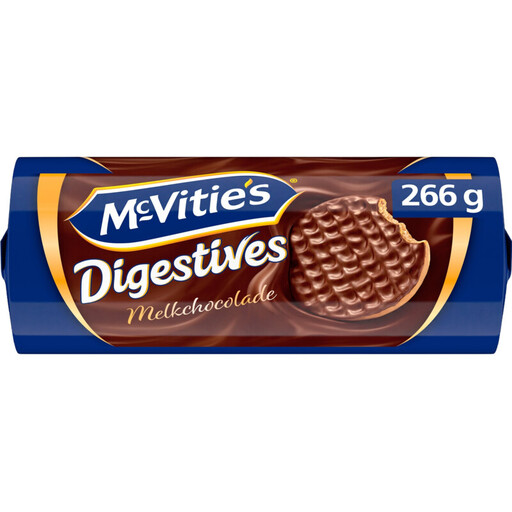 No image available
You can eat these milk chocolate digestives without a topping; they’re not a plain variety. If you have allergies, check the packet for this chocolate variety.
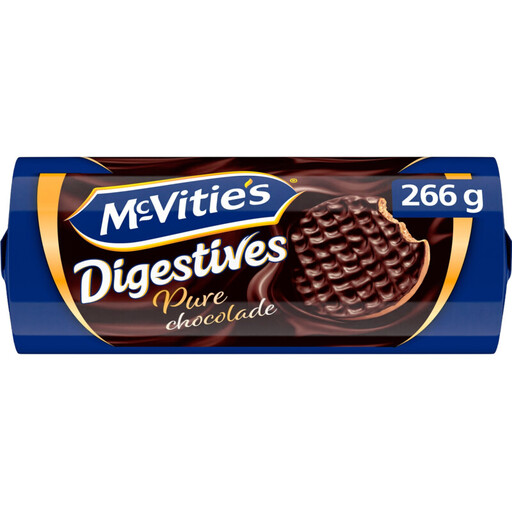 No image available
You can also take these digestives with you to eat without a topping, but the layer of dark chocolate sets them apart from plain biscuits. If ingredients or nutritional values matter to your choice, compare the label for this variety.
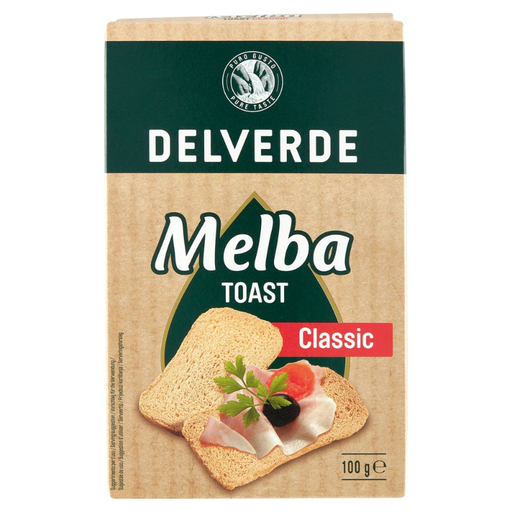 No image available
This melba toast is a good choice for a break when you want to add your own topping. Pack the toast and topping separately, check the allergens on the packet, and supervise young children while they eat the hard toast.
 No image available
The individually wrapped portions are a convenient option if you want to take toast with you. This Danish toast is described as soft and light; don’t assume it’s a direct replacement for crunchy melba toast. Check the allergens on the packet.
No. Wholemeal flour alone doesn’t tell you whether the biscuit as a whole is a better choice, or how it compares with toast. Alongside wheat flour and wholemeal wheat flour, Albert Heijn lists 21 g of fat and 16 g of sugars per 100 g for AH Digestive. Compare the nutritional information and portion sizes of the specific products you’re considering.
Check the allergen information on each individual packet. The plain melba toast described by Jumbo lists wheat, barley and soya, among other ingredients, and may contain sesame; the multigrain variety also lists oats, rye and sesame. Don’t assume other brands or varieties have the same ingredients.
No, you can’t tell from the word toast. Check the ingredients list for baker’s salt or iodised salt on the product you’re buying. If the information isn’t clear enough for you to decide, ask the manufacturer for clarification.
Keep both dry and take particular care to protect toast from breaking. Albert Heijn advises storing AH Digestive in a cool, dark, dry place and keeping it in a sealed tin after opening. For other products, follow the storage advice on their own packaging.
Check the nutritional information and ingredients list on the packaging of the exact product. Lidl refers customers to the packaging for ingredients, allergens and nutritional values; if you have a question about a specific item, contact the retailer.