
Vandaag of morgen in huis

Kwaliteit gegarandeerd

Welkomstaanbiedingen ontgrendelen: GRATIS bezorging | Tot 80% korting | Gratis 30 dagen JoyPlus-proefperiode
Download de app
A car diagnostic tool can help you read fault codes, check vehicle systems and carry out certain maintenance functions. However, not every OBD2 scanner is suitable for every car. An inexpensive device may only read engine codes, while ABS and SRS diagnosis, TPMS resets or a vehicle service reset require broader system coverage.
As a Joybuy Product Recommendation Officer, I filter product information based on practical specifications. Before you place your order, pay particular attention to these common pitfalls.
A product description may claim that the device can scan all available vehicle systems, but the actual functions depend on the make, model, year and ECU version. In some cars, only the engine, transmission, ABS and SRS are accessible. Other models may also provide access to bodywork, air conditioning or TPMS modules.
Before buying, check that the vehicle diagnostic tool supports your specific car. VIN checking is especially advisable when choosing a professional scanner.
Functions such as oil reset, BMS registration, EPB reset, DPF regeneration and injector coding may sound broadly applicable. In practice, the available functions can vary from one vehicle to another. For example, a TPMS reset tool may activate sensors but not automatically programme every sensor.
So, do not just look at the number of functions. Check the compatibility list as well. A device with 15 resets does not automatically offer all 15 functions for every car.
Some scanners offer lifetime software updates according to the product description. Other models may include one year of updates or work with a paid app. Check what is included, how activation works and whether an internet connection is required.
Bluetooth models also require a compatible Android or iOS phone. A cable-connected scanner often works more directly, but offers less freedom of movement in the workshop.
A basic OBD2 scanner is mainly designed for standard engine management diagnostics. Look for support for OBD-II/EOBD protocols, live data, and the ability to read and clear fault codes.
If you also want to read car fault codes for airbags or braking systems, look specifically for:
Please note: clearing a fault code does not resolve the underlying cause. Use the scanner as an aid during inspection and repairs, not as a replacement for a technical assessment.
According to the product specification, a bi-directional OBD2 scanner can send commands to certain vehicle modules. Examples include activating a cooling fan, fuel pump, injector, air-conditioning clutch or window control.
This is particularly relevant for mobile mechanics, small garages and experienced DIY enthusiasts. However, check that the required active test is available for your vehicle. An active test can operate components, but it still requires safe working practices and technical knowledge.
Check the connection options: Bluetooth is convenient for use with a smartphone, while a tablet or wired scanner can provide a standalone solution. Also look for:
Broader vehicle coverage is useful, but always check the specific list for your make and model.
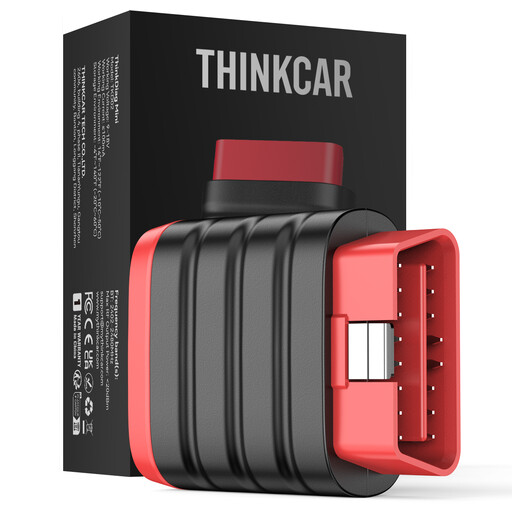
Why it suits this profile: This compact Bluetooth adapter works with Android and iOS and uses the ThinkDiag+ app. It is a good fit for private car owners who want to carry out occasional diagnostics without buying a large tablet.
The product information explicitly states that this model is intended for system diagnostics and does not include service resets or special functions. This makes expectations clearer.
Supports multiple OBD protocols and 22 languages, with lifetime free updates according to the product description.
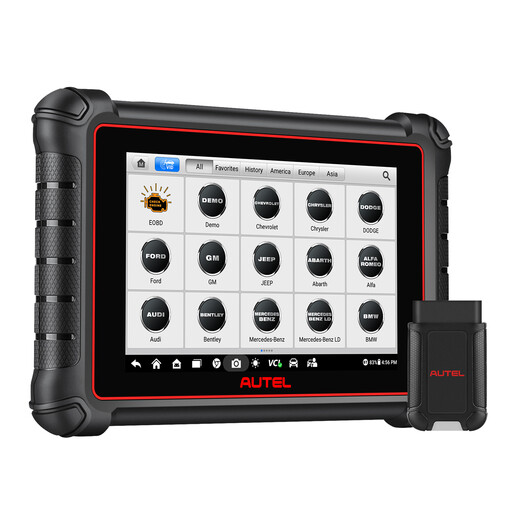
Why it suits this profile: The 8-inch tablet, wireless connection and broad range of functions are ideal for users who work on multiple vehicles every day and want to view reports or live data clearly.
The specifications state that functions vary by vehicle. They also specify that the BT506 battery tester and endoscope are not included, allowing you to estimate any additional costs.
According to the product specification, it supports bi-directional tests, CAN FD, DoIP, FCA AutoAuth and more than 40 service functions.
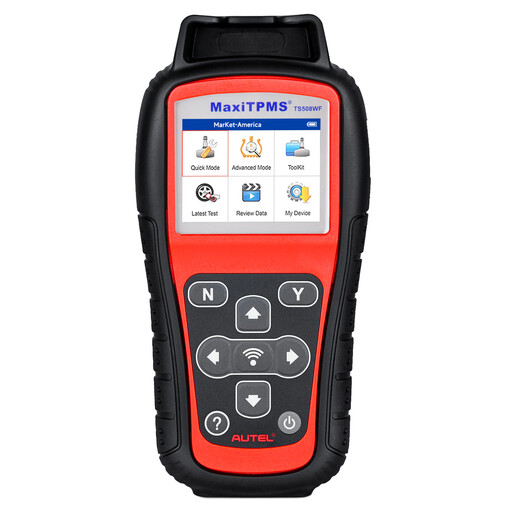
Why it suits this profile: This model is designed for tyre businesses, mobile mechanics and car owners who work specifically with tyre pressure sensors.
The product specification makes it clear that programming is intended for Autel MX-Sensors. Check that your sensor type is compatible before placing your order.
Supports sensor activation, TPMS diagnostics, three relearn procedures and updates via Wi-Fi or USB.
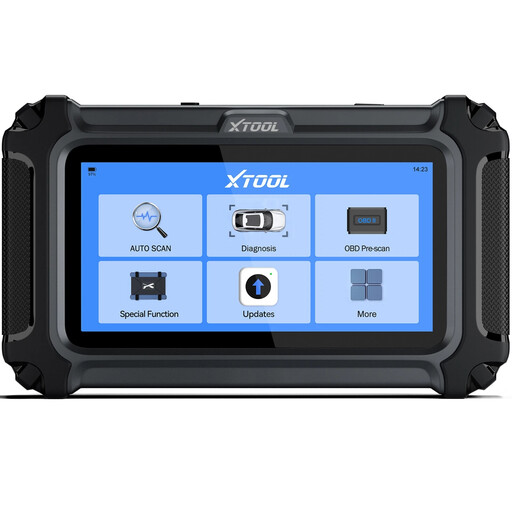
Why it suits this profile: The 5.45-inch touchscreen, built-in fault code library and clear menus are practical for DIY enthusiasts who want more than simply reading an engine warning light.
According to the product information, maintenance functions vary by make, model, year and ECU. The manufacturer therefore recommends checking compatibility in advance.
According to the description, it diagnoses the engine, transmission, ABS and SRS, and supports live data, reports, TPMS reset and vehicle service reset on compatible vehicles.
We have put together a complete, up-to-date list of products that fully meet these strict selection criteria and the applicable European safety regulations.
No. Basic models often focus on engine management. To perform ABS and SRS diagnostics, you need a scanner that explicitly supports these modules. Also check coverage for your make, model and vehicle variant.
Its service life depends on the casing, battery, cables and software support. A wired scanner generally has fewer components for wireless communication, while a Bluetooth adapter depends on your smartphone and app. Keep the device dry, avoid dropping it and check whether updates remain available.
It can be useful. An OBD2 scanner can display vehicle data and charging voltage, but a separate car battery tester can, according to the product specification, also analyse values such as voltage, resistance, state of charge, cranking capacity and charging performance. This provides additional information about the battery and alternator when investigating starting problems.
