
Vandaag of morgen in huis

Kwaliteit gegarandeerd

Welkomstaanbiedingen ontgrendelen: GRATIS bezorging | Tot 80% korting | Gratis 30 dagen JoyPlus-proefperiode
Download de app
A check engine light comes on. The garage quickly charges hundreds of euros just for the diagnosis. With your own diagnostic tool, you can take matters into your own hands and save significantly on maintenance costs. But the market is flooded with devices that promise more than they deliver. Before you invest, it's crucial to recognise the common pitfalls that cost many DIYers money.
Choosing the right car diagnostic tool can be confusing. Many manufacturers use clever marketing that hides their product's limitations. Pay attention to the following three points to avoid a bad purchase.
The "Lifetime Free Updates" Lie Many budget scanners advertise lifetime free updates. In reality, this often means updates only apply to basic engine codes, not for new car models or complex systems. Sometimes, support stops after just one year, making your device quickly obsolete and useless for modern cars.
The "Reads All Systems" Myth A simple fault code reader only looks at the engine management system (the 'check engine' light). A fault in your ABS, airbags (SRS), or transmission will go undetected. True diagnostics require a tool that can access all systems, something many product descriptions are vague about. You end up buying a device that can't find the real problem.
The Hidden Subscription Costs The purchase price seems low, but for crucial functions like a service reset or registering a new battery, you suddenly have to pay extra. These costs, charged per brand or per function, can add up quickly, turning your 'bargain' purchase into an expensive mistake.
To ensure you buy a tool that's worth the investment, there are a few technical specifications you can't overlook.
System Coverage: More Than Just the Engine A standard OBD2 scanner is legally required to read emission-related engine faults. That's useful for a state inspection, but not for a real diagnosis. A full-featured car diagnostic tool communicates with all electronic control units (ECUs) in your car: from brakes and airbags to air conditioning and lighting. Always check that 'diagnosis of all systems' is explicitly mentioned.
Bidirectional Control: The Game-Changer Passively reading fault codes is one thing. Actively controlling components is on another level. With bidirectional control (also called 'active test'), you can send commands from the tool to the vehicle. Think of testing the cooling fan, opening and closing an EGR valve, or checking injectors. This is indispensable for finding the root cause of a problem, rather than just seeing the symptom.
Future-Proof Protocols: CAN FD and DoIP Modern cars (from around 2020 onwards), especially from brands like GM, BMW, Volvo, and Jaguar/Land Rover, use new, faster communication protocols like CAN FD and DoIP. A diagnostic tool without support for these cannot communicate with the latest models. A tool with these protocols is an investment that will remain relevant for years to come, for all car brands.
Not every tool is right for everyone. We've highlighted a few options that suit different user profiles, based on their functionality and value for money.
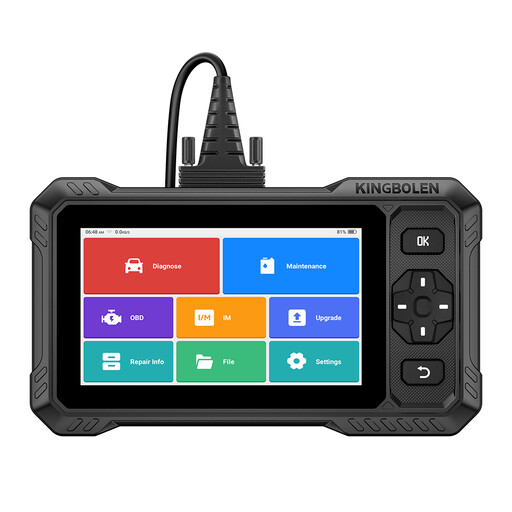
Why This Fits Their Persona: Offers professional features like bidirectional control and CAN FD support at an accessible price. Ideal for those who want to get serious about car maintenance without immediately paying top dollar for a garage visit.
Offers lifetime free updates for all functions, not just the basics. No hidden subscription fees for core functionality, including the 15 service resets.
Full system analysis and active tests, plus support for secure gateways (FCA/Renault SGW), which is exceptional in this price range.
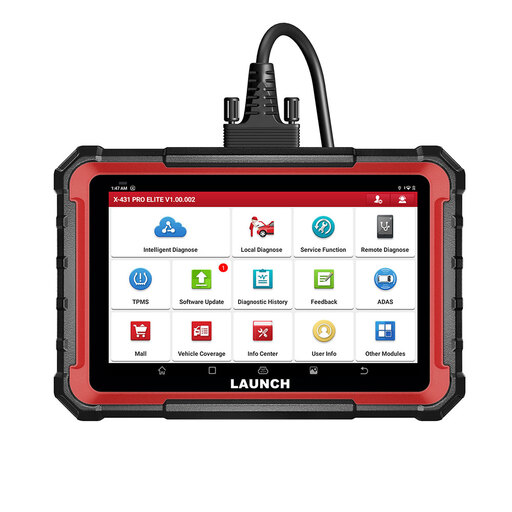
Why This Fits Their Persona: A powerful tablet scanner with advanced capabilities like ECU coding and support for expansion modules. Perfect for the serious hobbyist or small garage performing complex tasks on a wide range of vehicles.
This is a professional platform with clear update policies (2 years free, then optional) and transparent, powerful features. No vague promises, just proven performance.
Supports both CAN FD and DoIP, has a large 8-inch screen, and can be expanded with modules for tasks like anti-theft programming or TPMS.
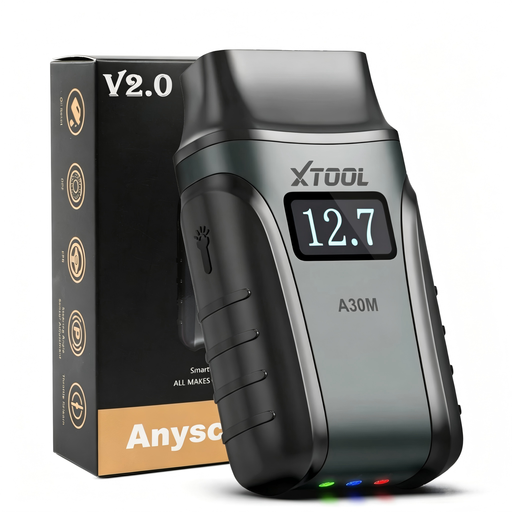
Why This Fits Their Persona: Combines the power of a full-featured diagnostic tool with the convenience of a bluetooth dongle. Works directly on your smartphone (iOS/Android), ideal for those who value flexibility and a modern interface without sacrificing functionality.
Offers lifetime free updates for all 26+ reset functions and system diagnostics. A one-time purchase without the hidden costs often associated with other dongles.
Compact and portable, yet features powerful bidirectional control and support for the CAN FD protocol. The built-in flashlight is a handy bonus.
We have compiled a complete, up-to-date list of products that fully meet these strict selection criteria.
An OBD2 scanner only reads the legally mandated, emission-related fault codes from the engine. An all-system diagnostic tool can communicate with all modules in the car, such as ABS, airbags, transmission, and comfort electronics, providing a complete picture of the vehicle's health.
If you only want to read and reset fault codes, it's not strictly necessary. But if you want to diagnose the root cause of a fault yourself, bidirectional control is essential. It allows you to test components and verify if they are functioning correctly, saving you a lot of time and guesswork.
First, check the supported protocols. For cars made after 2020, support for CAN FD is often a requirement. Most product pages list supported makes and models. For absolute certainty, it's best to contact the seller and provide your car's Vehicle Identification Number (VIN).
