
Vandaag of morgen in huis

Kwaliteit gegarandeerd

Welkomstaanbiedingen ontgrendelen: GRATIS bezorging | Tot 80% korting | Gratis 30 dagen JoyPlus-proefperiode
Download de app
A warning light on your dashboard. It's a familiar scenario that often leads to an expensive garage bill. With your own car diagnostic tool, you can diagnose issues yourself, fix simple problems, and save a significant amount of money. But the market is flooded with options, from simple dongles to professional tablets. How do you choose the right one without wasting your money?
As a Joybuy Product Recommendation Officer, I see the challenges consumers face every day. Many devices promise the world but ultimately let you down. Let's expose the most common pitfalls.
To avoid making a bad purchase, it's crucial to know which specifications truly matter. Focus on these three points before making a choice.
This is the most critical distinction. A basic OBD2 scanner only reads generic engine fault codes. This is enough to reset a check engine light but doesn't provide a complete picture of your car's health.
A full-featured car diagnostic tool can perform an all-system scan. This means it communicates with the computers for systems including:
If you want to do more than just find out why the engine light is on, always choose a device that supports full system diagnostics.
The functionality determines what you can actually do with the device. We can classify them into three levels:
How you use the device is a matter of personal preference. A Bluetooth OBD2 adapter is a compact dongle that you plug into your car's OBD2 port. You perform the diagnosis via an app on your smartphone or tablet. This is flexible and affordable.
A standalone tablet scanner has its own screen and software. These are often more powerful, faster, and offer more professional features. They are a larger investment but provide an all-in-one solution. For both types, always check if they support modern protocols like CAN FD and DoIP, ensuring you can also diagnose the latest car models.
To help you with your choice, we've matched a few products to different user profiles.
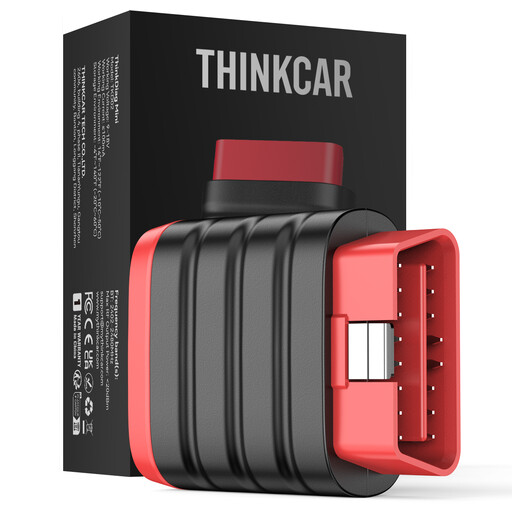
Why This Fits Their Persona: Perfect for those starting with car maintenance. This compact Bluetooth dongle turns your smartphone into a powerful diagnostic tool. Ideal for quickly checking fault codes and monitoring live data without a large investment.
This device offers free lifetime full system diagnostics. You don't pay extra to read ABS, airbags, or transmission data, which is common with competitors in this price range.
Full System Diagnostics: Reads not just the engine, but all major systems. Lifetime Free Updates: No hidden subscription fees for the diagnostic software.
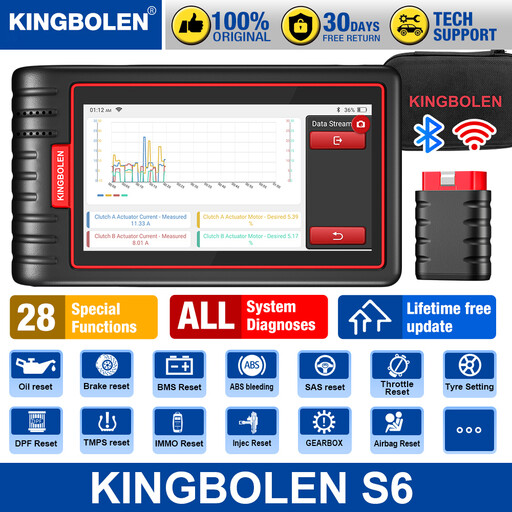
Why This Fits Their Persona: For the serious DIYer who wants to perform their own maintenance. This device combines full system diagnostics with an extensive package of over 28 service and reset functions, such as oil and brake resets.
This model avoids the pitfall of limited functionality. Where basic scanners stop at reading codes, the S6 allows you to actually perform maintenance tasks, directly reducing garage costs.
28+ Maintenance Functions: Perform your own resets for oil, brakes, steering angle sensor, battery, and more. CAN FD Protocol: Supports newer GM vehicles, making it a future-proof choice.
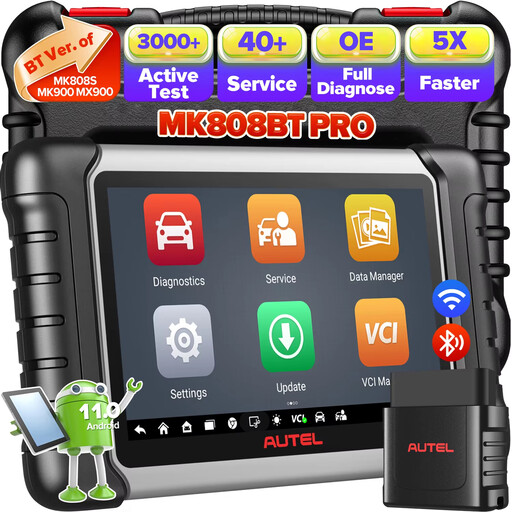
Why This Fits Their Persona: A powerful, wireless diagnostic tool for those who need efficiency and depth. With bidirectional control, you can directly command components to pinpoint problems, which is essential in a professional or demanding setting.
This device is not a toy. It offers features normally found only in much more expensive professional-grade equipment. It prevents the frustration of a scanner that can't perform that one crucial test you need.
Bidirectional Control: Command components for active tests and rapid diagnosis. Wireless Freedom: The Bluetooth VCI gives you up to 10 meters of freedom to move around the car.
We have compiled a complete, up-to-date list of products that fully meet these strict selection criteria and industry standards.
Most cars with a petrol engine built after 2001 and diesel cars after 2004 have a standard OBD2 port. This means a basic OBD2 scanner can connect and read engine fault codes. However, support for reading other systems (ABS, SRS, etc.) and performing service functions varies greatly by car make and model. Therefore, always check the compatibility list from the diagnostic tool's manufacturer before making a purchase.
Rolling back the odometer is illegal and punishable in many countries. Diagnostic tools are designed for repair and maintenance, not for fraud. While some highly specialized and expensive equipment may have an odometer correction function (intended for installing a new instrument cluster), this is not a standard feature on consumer-grade equipment. It is not the purpose of a diagnostic tool.
The difference lies mainly in the depth of functions and the hardware.
