
Vandaag of morgen in huis

Kwaliteit gegarandeerd

Welkomstaanbiedingen ontgrendelen: GRATIS bezorging | Tot 80% korting | Gratis 30 dagen JoyPlus-proefperiode
Download de app
If you're serious about cars, you know that a simple device for reading fault codes is no longer enough. Modern vehicles are rolling computers, and for more complex diagnostics or maintenance tasks, you need a tool that can dive deeper into their systems. Expensive trips to the garage for a simple reset or to relearn a new component are frustrating and often unnecessary.
This guide is for the advanced DIYer and the professional in a small to mid-sized workshop. We'll help you choose a car diagnostic tool that meets your (semi-)professional requirements, without the marketing fluff.
Before we look at specific models, here are a few key points that distinguish a basic tool from a professional diagnostic scanner.
A standard OBD2 scanner only reads information provided by the car, such as fault codes. A bidirectional scanner, on the other hand, can also send commands back to the vehicle. This allows you to perform active tests: activate a fuel pump, test an EGR valve, or engage the AC compressor. This is essential for quickly identifying the root cause of a problem without needlessly replacing parts. Look for a device that supports all-system diagnostics, not just the engine and transmission.
Car manufacturers are continuously introducing new communication protocols. CAN FD is a newer, faster protocol found primarily in recent models from GM and Chrysler. DoIP (Diagnostics over Internet Protocol) is used by brands like BMW, Jaguar, and Land Rover for fast and stable communication. A CAN FD scanner with DoIP support ensures you can diagnose the latest vehicles without needing to purchase expensive extra adapters.
A good automotive diagnostic tool is also a powerful service reset tool. This includes resetting the oil service interval, retracting the electronic parking brake for pad replacement, or calibrating the steering angle sensor. More advanced models also offer functions like injector coding, diesel particulate filter (DPF) regeneration, and relearning new components. Verify which functions are essential for your specific work.
Based on functionality, vehicle coverage, and value for money, we have compiled a list of popular choices.
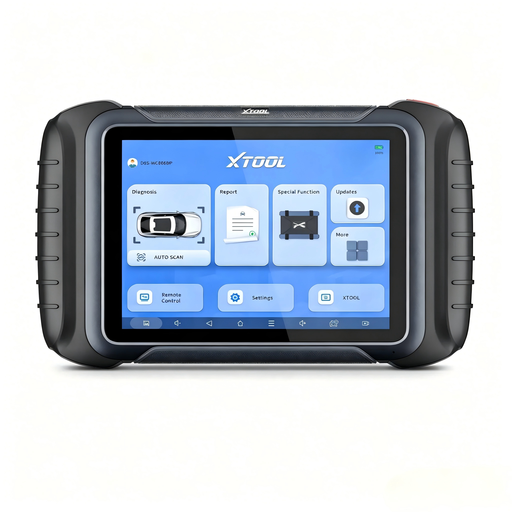
Why this model stands out: The XTOOL D8S distinguishes itself with its intuitive topology mapping, which shows the communication structure between modules at a glance. This, combined with advanced ECU coding and PMI functions for Ford/Lincoln/Mazda, makes it a powerful tool for in-depth diagnostics.
Key specifications:
Who is it for? This device is an excellent choice for the serious enthusiast or the small to mid-sized workshop looking to go beyond standard diagnostics and needing advanced features like ECU coding and topology mapping.
View the XTOOL D8S on Joybuy.nl
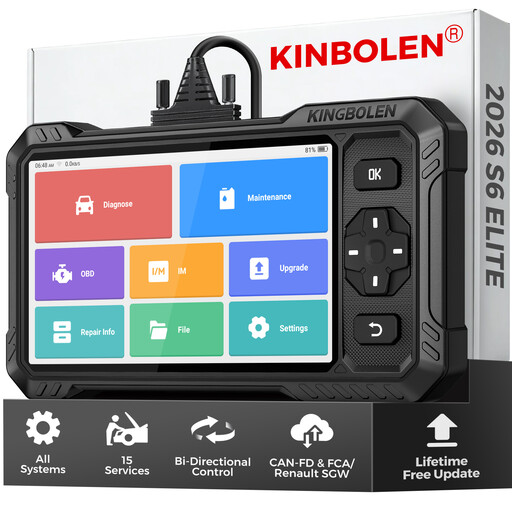
Why this model stands out: The KINGBOLEN S6 Elite offers a very comprehensive feature set for its price point. With lifetime free updates, full bidirectional control, and broad vehicle coverage, it's a cost-effective solution for those seeking professional capabilities without annual subscription fees.
Key specifications:
Who is it for? Ideal for the DIY mechanic and home repair enthusiast who wants a powerful, all-around tool with excellent value for money and no recurring update costs.
View the KINGBOLEN S6 Elite on Joybuy.nl
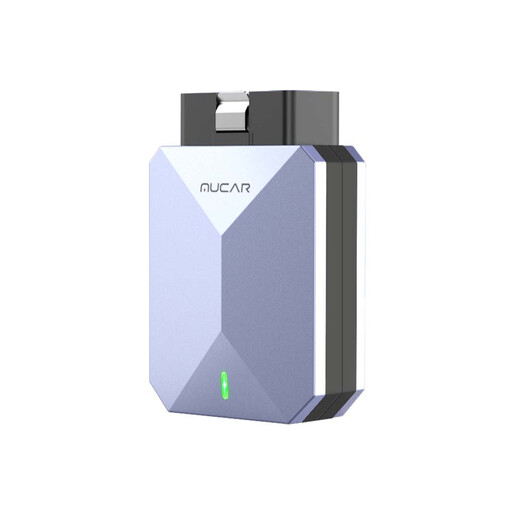
Why this model stands out: The MUCAR BT200 MAX is a compact Bluetooth dongle that turns your smartphone or tablet into a powerful diagnostic tool. The addition of an AI assistant that interprets fault codes and provides repair advice makes it an accessible tool for both beginners and advanced users.
Key specifications:
Who is it for? Perfect for the tech-savvy mechanic who values the flexibility of a mobile device. The combination of professional features and an AI assistant makes it a convenient and versatile tool for on-the-go diagnostics.
View the MUCAR BT200 MAX on Joybuy.nl
The world of diagnostic equipment is vast, and the right choice heavily depends on the brands you work on and the depth of diagnostics you need to perform. If the models above don't perfectly match your needs, there are plenty of other options available.
View our full range of OBD scan tools
A standard OBD2 scanner is a one-way street: it only reads data and fault codes that the car broadcasts. A bidirectional scanner can also send commands to the car. This allows you to activate specific components (like wipers, headlights, or a fuel pump) to check if they are functioning correctly. This significantly speeds up the diagnostic process.
This varies by model. Some devices, like the KINGBOLEN S6 Elite in our recommendations, offer lifetime free updates. Others, like the XTOOL D8S, come with a set period of free updates (e.g., 3 years), after which you can pay to receive new ones. Access to the secure systems of certain brands (like FCA via AutoAuth) often requires a separate, external subscription, regardless of the scanner.
Yes, many advanced diagnostic tools offer functions for relearning or coding new parts. This includes coding fuel injectors after replacement, relearning a new throttle body, or registering a new battery with the battery management system. However, the availability of these functions always depends on the vehicle's make, model, and year. Therefore, always check the scanner's specific vehicle coverage.
