
Vandaag of morgen in huis

Kwaliteit gegarandeerd

Welkomstaanbiedingen ontgrendelen: GRATIS bezorging | Tot 80% korting | Gratis 30 dagen JoyPlus-proefperiode
Download de app
A car diagnostic tool can help you read fault codes, carry out maintenance functions and investigate problems more precisely. Yet motorists often buy a tool that isn’t suited to their vehicle or needs. The same applies to lighting: a bulb with a high lumen rating isn’t automatically suitable or road-legal for every car.
An OBD2 scanner may support dozens of functions according to its product description, but that doesn’t mean every function will be available for every make, model and year. The vehicle software, ECUs and trim level all affect whether functions such as ABS and SRS diagnostics, an EPB reset, injector coding or ECU coding are possible.
Before you buy, check:
Claims such as “hundreds of functions”, “millions of vehicles” or an exceptionally high light output are only useful when it’s clear exactly what’s supported. When choosing a professional OBD scanner, look at system coverage, active tests, update policy and reporting. For LED car bulbs, the fitting, beam pattern, heat dissipation and legal approval matter more than the lumen count alone.
A bulb may fit physically but still trigger a dashboard warning because of a sensitive CANbus system. A car diagnostic tool’s connection may depend on an app, Bluetooth, Wi-Fi or a separate VCI module. So check not just the connection, but also the installation requirements and any additional accessories you may need.
A basic OBD2 scanner is mainly suited to engine management and generic fault codes. If you also want to access the transmission, ABS, SRS, body ECUs or maintenance functions, you’ll need a more advanced car diagnostic tool.
Look out for these features:
Common functions include oil reset, EPB reset, BMS reset or battery registration, throttle relearn, SAS calibration, TPMS reset and ABS bleeding. These functions can be useful after servicing, but they don’t replace mechanical checks. Take extra care when working on brakes, airbags and steering.
When choosing H7 LED bulbs, H4 LED headlight bulbs or other vehicle lighting, first check the existing fitting and bulb type. An H7 bulb with a P26.4t fitting won’t necessarily fit every headlight housing. Also check:
According to OSRAM’s product information, you should check the official compatibility list and legal information for the NIGHT BREAKER LASER H7. Don’t touch the glass of a halogen bulb with your bare fingers. Some vehicles may still display a warning with LED lighting, despite CANbus technology.
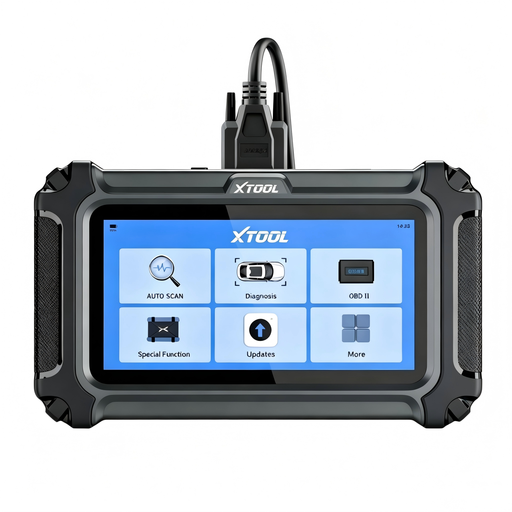
Why it suits this profile: A straightforward tool for motorists and DIY enthusiasts who want to read the engine, transmission, ABS and SRS systems, and need commonly used reset functions.
The product information specifies 16 reset functions and notes that availability varies by make, model and trim.
CAN FD support, AutoVIN, live data and free updates, according to the product listing.
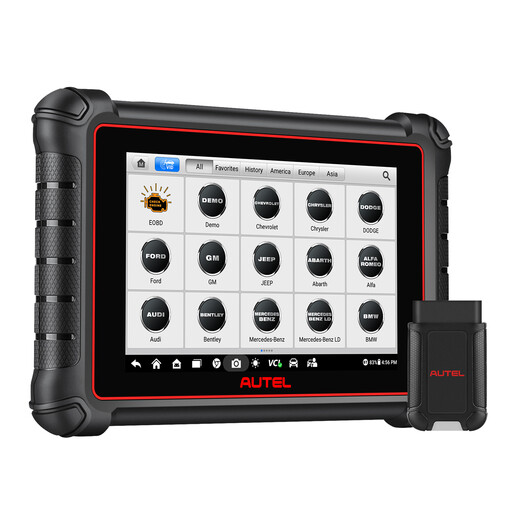
Why it suits this profile: Designed for users who want to combine wireless diagnostics, full-system access and active tests in one tablet.
The listed features are divided into diagnostics, active tests and maintenance services. You’ll still need to check compatibility with your vehicle.
DoIP and CAN FD, Bluetooth connectivity, full-system diagnostics and over 40 listed maintenance functions.
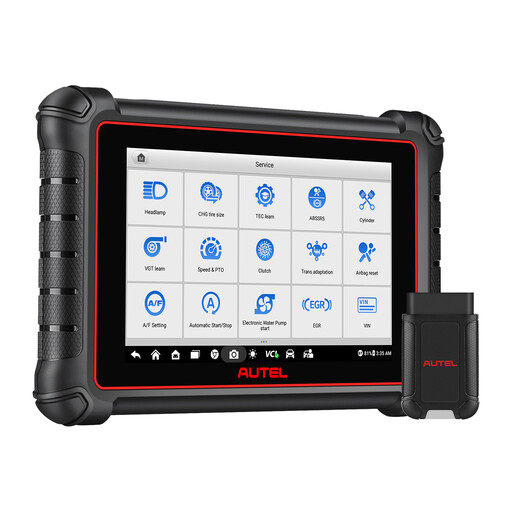
Why it suits this profile: A sensible choice for mobile mechanics, tyre specialists and garages that also need to activate, programme and learn TPMS sensors.
The TPMS functions, ECU coding and vehicle coverage are described separately, so you can check whether it’s suitable for the job you need to do.
TPMS diagnostics and programming, active tests, ECU coding and DoIP/CAN FD, according to the product information.
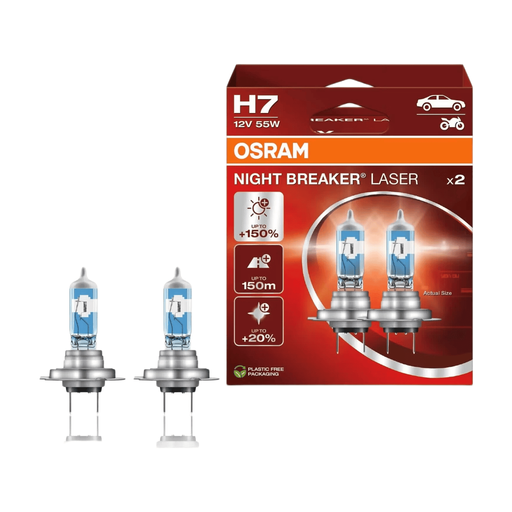
Why it suits this profile: For anyone replacing an H7 halogen bulb who checks the fitting, compatibility and legal requirements first.
The product information clearly states that the bulb isn’t universally compatible and directs you to the official compatibility checker.
H7 fitting, 12 volts, 55 watts and a set of two halogen bulbs; the stated lighting performance comes from the brand’s product information.
We’ve put together a complete, up-to-date list of products that meet these strict selection criteria and the applicable European safety requirements.
No. A basic tool usually reads generic engine management codes. For the transmission, ABS, SRS, TPMS and body systems, you’ll need a model with full-system support. Also check the manufacturer’s compatibility list.
That depends on the car, the function and your experience. ECU coding can change settings or register modules after they’ve been replaced. An incorrect procedure can cause faults. Use a stable power supply, follow the instructions and check in advance that the function is available for your specific vehicle.
Lifespan varies depending on the product, heat dissipation, usage and vehicle environment. Brands sometimes state a theoretical lifespan under certain conditions. Don’t treat this as a guarantee for every vehicle. Before fitting H4 LED headlight bulbs, H7 LED bulbs or other LED lighting, also check the cooling, fit, CANbus operation and legal approval.
