
Vandaag of morgen in huis

Kwaliteit gegarandeerd

Welkomstaanbiedingen ontgrendelen: GRATIS bezorging | Tot 80% korting | Gratis 30 dagen JoyPlus-proefperiode
Download de app
A warning light on your dashboard. It's a familiar scenario that often leads to a sense of uncertainty and the fear of a hefty garage bill. A car diagnostic tool offers a solution: you can identify the fault code yourself and, in many cases, even fix minor issues. But the market is flooded with options, from simple OBD2 Bluetooth dongles to professional tablets. Unfortunately, there are also pitfalls that can render your purchase useless.
As a Joybuy Product Recommendation Officer, I'm here to help you make the right choices. We won't look at marketing promises, but at what you truly need. First, let's discuss the most common bad buys.
The 3 Pitfalls of Buying a Diagnostic Tool:
service reset or scan all systems, a paywall suddenly appears for each car brand or extra feature.universal diagnostic tool but turns out to be incompatible with the secure systems of newer cars (like the FCA group) or doesn't support specific protocols your car uses. The result: a useless piece of plastic.OBD2 scanner that works via an app seems convenient. But what if the developer discontinues app support, or the app is riddled with bugs and ads? You are completely dependent on a third party's software quality.To avoid a bad buy, it's crucial to check three technical aspects. These determine what you can actually do with the device.
The foundation of any car diagnostic tool is the OBD2 standard. This allows you to read emission-related fault codes from the engine and powertrain. This is sufficient to diagnose a check engine light.
However, a more advanced tool can scan all systems. This includes:
For serious DIY mechanics, the ability to scan all systems is indispensable.
A car fault code reader only reads codes. A full-fledged diagnostic tool can also reset service intervals and relearn components. This saves you a trip to the garage. Pay attention to the availability of functions such as:
Always check which reset functions are included and whether they are free for life or require subscription fees.
You have roughly two choices:
read your car with your phone. This is flexible and affordable, but you're dependent on the app and your phone's battery.Below is a selection of devices tailored to different user profiles. The focus is on functionality, transparent costs, and reliability.
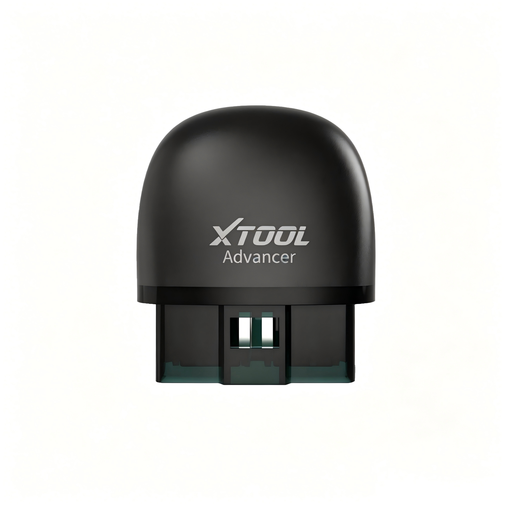
Why This Fits Their Persona: Perfect for those who need to quickly find out why the check engine light is on. This compact Bluetooth adapter connects to your phone, providing instant insight into engine fault codes and can even scan all systems. Ideal for no-frills, basic diagnostics.
Offers lifetime free updates for all functions, including the full system diagnosis and the oil service reset. No hidden subscription fees for core functionality.
Combines a full system scan with a free oil reset function in a highly affordable Bluetooth dongle. The battery test is a practical bonus.
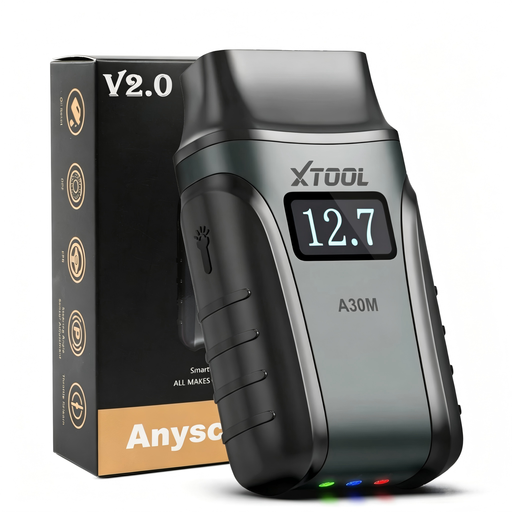
Why This Fits Their Persona: For those who change their own oil, replace brakes, and perform maintenance. This device not only offers full system diagnostics but also over 26 service functions and bidirectional control to test components.
All 26+ service functions and the software for all car brands are free for life. This is a one-time purchase with no hidden costs for advanced features.
The combination of bidirectional control (active tests) and a very comprehensive package of free service functions. Also supports newer cars with CAN FD and FCA AutoAuth.
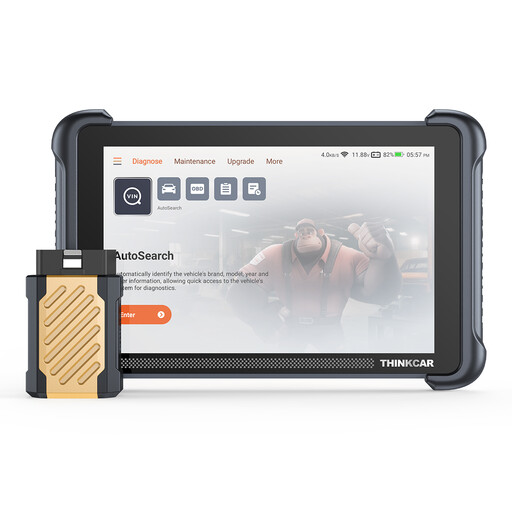
Why This Fits Their Persona: For those working on a wide range of cars, including the very latest models. This professional tablet offers advanced features like ECU coding, bidirectional tests, and support for modern protocols such as CAN FD and DoIP.
A one-time investment with lifetime free updates for all 34+ service functions and the full diagnostic software. No annual license fees, which is exceptional for a device at this level.
A complete, professional diagnostic tablet with a large screen, fast hardware, and support for the latest vehicle protocols (CAN FD & DoIP). The combination of advanced features and lifetime updates offers outstanding value.
We have curated a complete, up-to-date list of products that fully meet these strict selection criteria.
Not always. While most cars after 2001 (petrol) and 2004 (diesel) support the OBD2 standard for engine diagnostics, manufacturers can use proprietary protocols for other systems (ABS, airbag, etc.). Always check if your specific make and model are supported before purchasing, especially for newer cars with secure gateways (like Fiat, Chrysler, Alfa Romeo after 2018).
A cheap dongle (often under $50) is usually a simple car fault code reader that can only read the engine via a smartphone app. A more expensive device often offers a full system scan, dozens of service reset functions, bidirectional control, its own screen, and guaranteed software updates with broader vehicle support. The investment pays for itself in expanded capabilities and reliability.
Yes, with almost any OBD2 scanner, you can read the fault code that triggered the check engine light and then clear it (reset check engine light). However, it is crucial to first identify and fix the root cause of the fault code. Simply clearing the code without resolving the underlying issue will cause the light to come back on shortly after.
