
Vandaag of morgen in huis

Kwaliteit gegarandeerd

Welkomstaanbiedingen ontgrendelen: GRATIS bezorging | Tot 80% korting | Gratis 30 dagen JoyPlus-proefperiode
Download de app
A car diagnostic tool can help you read fault codes, check vehicle systems and carry out certain maintenance functions. However, diagnostic tools vary considerably in their coverage, software and ease of use. A cheap code reader isn’t necessarily suitable for a modern car with multiple electronic modules.
As Joybuy Product Recommendation Officer, I filter product information for practical details. Before buying a car diagnostic tool, look out for these three common pitfalls.
Many basic OBD2 scanners only read engine and emissions data. That’s useful if your engine warning light is on, but not enough if you want to check the ABS, airbags, automatic transmission or electronic parking brake, for example.
Check whether the device supports full-system diagnostics. Look for specific systems such as ECM, ABS, SRS, TCM, BCM and transmission. The term ‘professional car scanner’ doesn’t tell you much on its own if the supported modules aren’t listed clearly.
Reading fault codes is different from carrying out a maintenance reset. Examples include an oil reset, battery registration, EPB reset, steering angle sensor calibration or DPF regeneration.
Not every car diagnostic tool supports these functions. What’s more, the available options can vary by make, model and year of manufacture. So don’t assume a function will work on every vehicle. Check the compatibility list before buying and, if in doubt, ask the seller to confirm.
Some devices require a subscription or only offer software updates for a limited time. Up-to-date software is important for vehicle diagnostics, as new models and protocols are added regularly.
Check:
According to the brands’ product information, update terms, vehicle coverage and features can vary by model. Always check the current product page.
A good car scanner should support your vehicle’s communication protocols. As well as standard OBD2/EOBD, support for CAN FD or DoIP may be useful for newer cars.
For basic use, these features are important:
For a garage or mobile mechanic, extra features such as a bidirectional diagnostic tool, active tests and full-system scans may be more useful. During an active test, the device sends a command to a vehicle component. According to the product descriptions for some models, this can be used to test actuators, windows, fans or solenoids, for example. How well it works depends on the vehicle and module.
If you carry out regular maintenance, you may need more than a basic fault code reader. Look for features such as:
ECU coding can carry risks if you select the wrong procedure. Only use these functions if the vehicle documentation and compatibility information support them. A diagnostic tool doesn’t replace a repair manual and won’t automatically fix the cause of a fault.
A wired device is often straightforward to connect, while Bluetooth gives you more freedom to move around. A mobile mechanic may benefit from a compact adapter that works with Android or iOS. For everyday use in a workshop, a larger screen with reporting and storage features is more practical.
Also check:
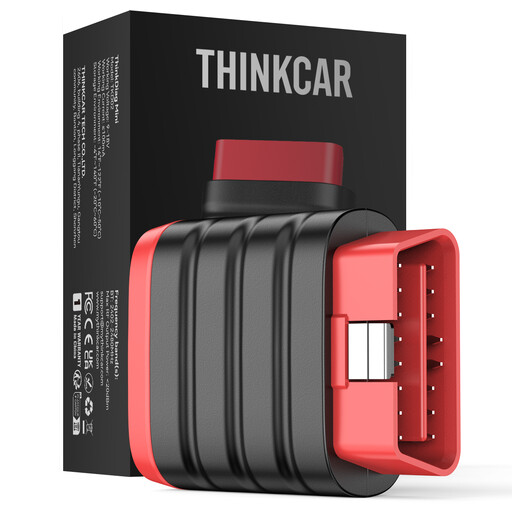
Why it suits this profile: According to the product information, this compact Bluetooth adapter works with Android and iOS. It’s designed for users who want to view vehicle data on a smartphone.
The product information makes clear that this model is focused on system diagnostics and doesn’t include maintenance resets or special functions. This helps avoid unrealistic expectations.
Compact design, Bluetooth connectivity, support for multiple protocols and 22 languages, according to the product description.
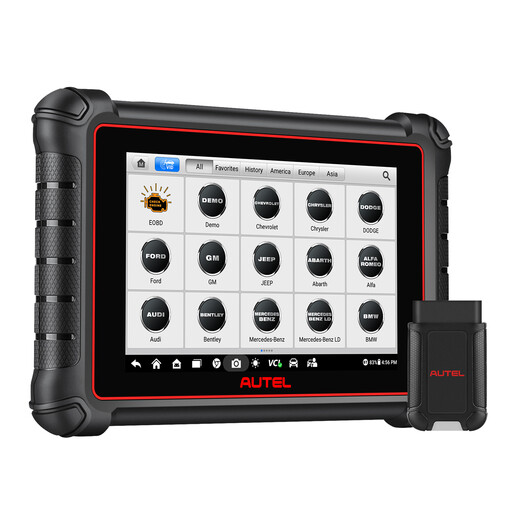
Why it suits this profile: According to Autel’s product information, this model is designed for comprehensive diagnostics, active tests and workshop reporting, making it a good choice for users who want a wide range of features in one device.
The listed support for full-system diagnostics, CAN FD, DoIP and active tests goes beyond reading engine codes alone. Be sure to check your car’s coverage first.
8-inch touchscreen, wireless connection, 40+ service functions according to the product information, and report support.
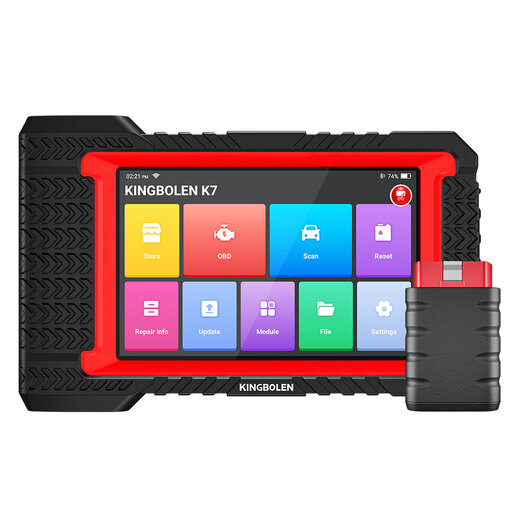
Why it suits this profile: According to the product information, the K7 combines wireless diagnostics with bidirectional tests, ECU coding and multiple maintenance functions for regular use.
The description specifically states that features can vary by vehicle and that compatibility should be checked beforehand.
Full-system diagnostics, active tests, 28 listed reset functions and Bluetooth VCI, according to the product information.
We’ve put together a complete, up-to-date list of products that meet these strict selection criteria and the applicable European safety regulations.
No. A scanner reads information and, with some models, can clear codes or carry out a reset. You’ll need to identify the cause of the fault yourself. Clearing a fault code doesn’t automatically mean the problem has been fixed.
It depends on how you’ll use it. Bluetooth is handy if you need to move around the vehicle, either outside or in a workshop. A wired scanner works without a wireless connection and may be simpler for occasional use. For wireless models, always check which app and operating systems are required.
As well as the purchase price, you may need to consider subscriptions, paid updates, registration fees or third-party services. For features such as FCA AutoAuth, you may need to arrange your own account or registration, according to the product information. So compare not only the price of the device, but also the terms for updates and extra features.
