
Vandaag of morgen in huis

Kwaliteit gegarandeerd

Welkomstaanbiedingen ontgrendelen: GRATIS bezorging | Tot 80% korting | Gratis 30 dagen JoyPlus-proefperiode
Download de app
A warning light on your dashboard. It's a familiar scenario that often leads to a sense of uncertainty and the question: what's wrong and how much will the repair cost? A trip to the garage for a simple diagnosis can quickly become expensive. With your own car diagnostic tool, you take back control. Whether you're a DIY enthusiast looking to save on maintenance costs or a professional aiming to work more efficiently, the right tool is indispensable.
This guide will help you choose the car diagnostic tool that fits your needs and vehicle. We'll discuss the most important features and highlight some popular choices for 2026.
The market for car diagnostic tools is vast. To avoid making the wrong purchase, it's wise to pay attention to a few key aspects.
Not every diagnostic tool is the same. Think carefully about what you want to do with it.
Always check if the device is compatible with your specific car make, model, and year. Modern cars also use new communication protocols. A future-proof device supports protocols like CAN FD (often used in GM vehicles after 2020) and DoIP (required for newer BMW, Volvo, and Jaguar Land Rover models). This prevents you from needing to purchase an extra adapter.
A wireless diagnostic tool, which connects to a tablet or smartphone via Bluetooth or Wi-Fi, offers maximum freedom of movement. You're not tied to a cable and can easily walk around the car during testing. Wired devices are known for their stable and fast connection, which is sometimes preferred for complex tasks like programming.
Based on specifications and functionality, we've highlighted some interesting options for different users.
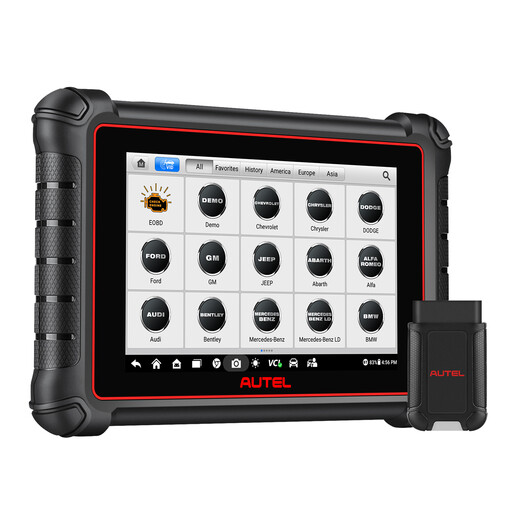
Why it stands out: The Autel MK900-BT is a versatile scanner that makes advanced features accessible. The device natively supports the newer DoIP and CAN FD protocols without needing extra adapters. The wireless MaxiVCI V150 module ensures a stable Bluetooth connection, allowing you to work freely around the vehicle.
Key Features:
Who is it for? For the serious DIYer and the semi-professional mechanic who needs a powerful, all-around car diagnostic tool with broad vehicle coverage and advanced testing capabilities.
View the Autel MaxiCOM MK900-BT
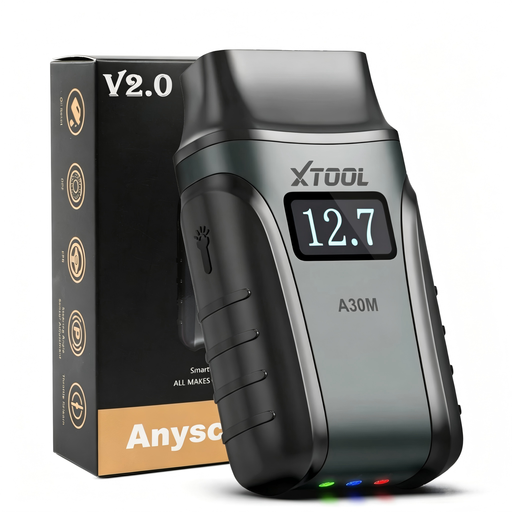
Why it stands out: The XTOOL A30M is a compact and affordable OBD2 scanner that turns your smartphone or tablet (Android/iOS) into a powerful diagnostic device. A major advantage is that the manufacturer offers lifetime free software updates. This makes it a cost-effective choice for the long term.
Key Features:
Who is it for? Ideal for car enthusiasts and DIYers looking for a flexible and affordable solution with professional features, without being tied to an expensive subscription.
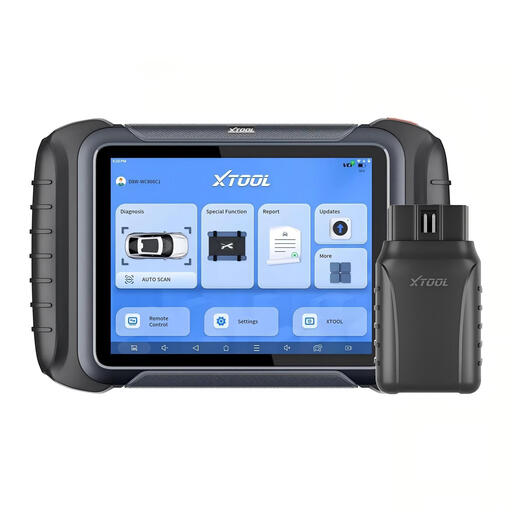
Why it stands out: The XTOOL D8W is a professional diagnostic tool that distinguishes itself with its 'Intelligent Topology Map'. This feature provides a visual overview of the communication structure between all modules in the car, allowing you to see the status and any fault codes per system at a glance. The fast Wi-Fi connection offers greater range and stability than Bluetooth.
Key Features:
Who is it for? This device is aimed at the professional workshop and the highly experienced technician who needs in-depth diagnostics, efficient workflows, and advanced coding functions.
The right tool depends entirely on your specific needs and the cars you work on. Our range includes various diagnostic devices, from simple fault code readers to the most advanced systems.
Discover more options in our cable tester tool category.
1. What is an OBD2 scanner? OBD2 (On-Board Diagnostics II) is a standardized system present in most cars since the late 1990s. An OBD2 scanner is a device that connects to the car's OBD2 port to read diagnostic information and fault codes from the onboard computer.
2. Can I clear fault codes myself with a diagnostic tool? Yes, one of the basic functions of almost every diagnostic tool is clearing car fault codes. However, it's important to remember that clearing the code does not fix the underlying problem. The warning will return if the cause is not addressed. Therefore, use the tool primarily to diagnose the issue.
3. What is the difference between a basic fault code reader and a professional diagnostic tool? A basic fault code reader is usually limited to reading and clearing fault codes from the engine management system. A professional diagnostic tool offers much more, such as all-system diagnostics (ABS, airbag, transmission), extensive service functions (oil reset, brake bleeding), bi-directional control to test components, and sometimes even ECU coding for configuring modules.
