
Vandaag of morgen in huis

Kwaliteit gegarandeerd

Welkomstaanbiedingen ontgrendelen: GRATIS bezorging | Tot 80% korting | Gratis 30 dagen JoyPlus-proefperiode
Download de app
A warning light on your dashboard. It’s the start of an uncertain journey: is it serious? How much will the repair cost? Owning a car diagnostic tool puts you back in control instantly. You can read fault codes, run diagnostics, and even perform simple maintenance tasks yourself. But the market for these devices is opaque, filled with marketing promises that don't always hold up.
As a Joybuy Product Recommendation Officer, I'm here to help you make the right choices. We'll look beyond the hype and focus on what truly matters. Before you invest, it's crucial to recognise the most common pitfalls.
To avoid a bad purchase, you need to pay attention to a few technical specifications. These determine whether a car diagnostic tool is worth the money for your situation.
The most important question is: what do you want to be able to see?
The features determine what you can actually do with the device.
Modern cars use new, faster communication protocols. A device without support for these will not work (fully) on new models.
We have made a selection that fits different user profiles, with a focus on transparency and functionality.
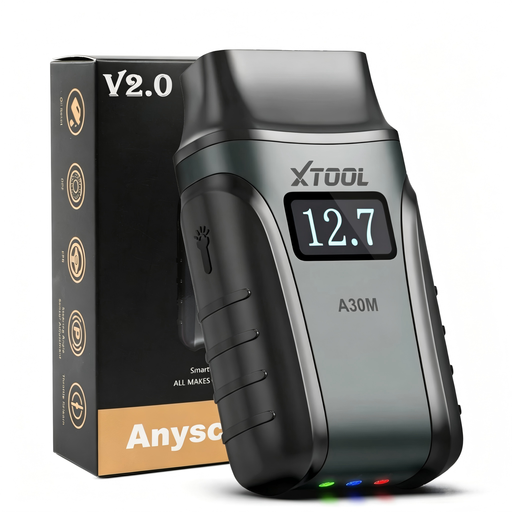
Why This Fits Their Persona: Perfect for those who want more than a simple code reader. This compact Bluetooth dongle turns your smartphone into a powerful tool. It's ideal for the DIYer who wants to perform their own maintenance and diagnose problems without paying a premium.
The A30M offers lifetime free updates for all functions, with no hidden subscription fees. You pay once and retain access to all-system diagnostics and the 26+ service functions.
Offers bi-directional control and supports the CAN FD protocol, features you normally only find on much more expensive devices. Works on both Android and iOS.
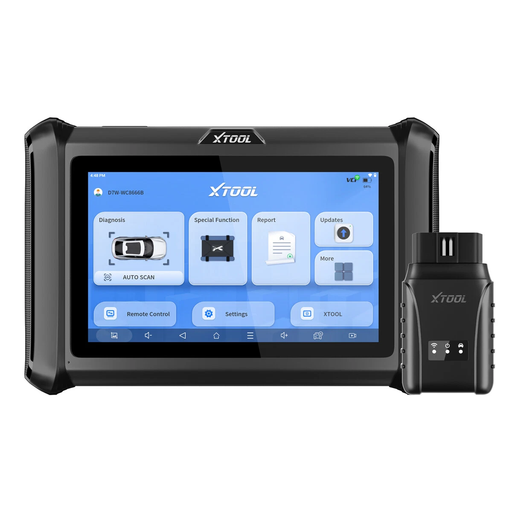
Why This Fits Their Persona: For the hobbyist who works on cars regularly and needs advanced features. This wireless tablet offers the freedom and power to perform complex diagnostics and repairs, including module coding.
Cost transparency: the D7W comes with 3 years of free updates. No vague "lifetime" promises, but a clear period where you are guaranteed to receive the latest software and vehicle coverage.
Supports advanced ECU coding for VW/Audi/Skoda and PMI for Ford/Mazda, among others. The wireless Wi-Fi connection is faster and more stable than Bluetooth, which is essential for complex tasks.
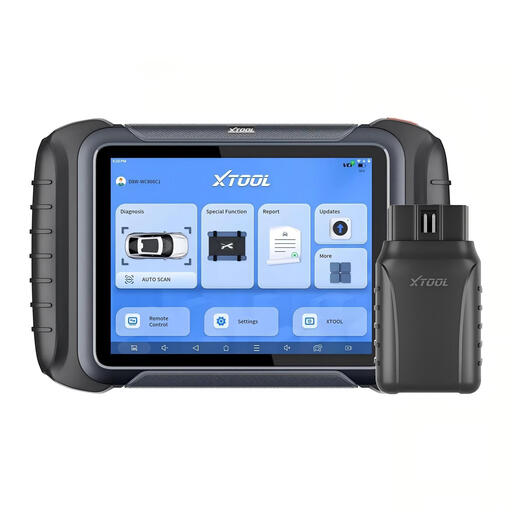
Why This Fits Their Persona: For the small garage or demanding professional where efficiency counts. This device is designed to drastically reduce diagnostic time and offers features previously only available on equipment costing thousands of dollars.
This is a professional investment with a clear update policy (3 years free). It's not a consumer gadget with hidden costs, but a fully-fledged tool built for daily use in a workshop.
The Intelligent Topology Map provides a visual overview of all modules and their status, which significantly shortens diagnostic time. Support for CAN FD & DoIP and 42+ service functions make this a very complete package.
We have compiled a complete, up-to-date list of products that fully meet these strict selection criteria and local regulations.
A $30 device is usually a simple code reader that can only read the engine (OBD2). A $300 model typically offers all-system diagnostics, dozens of service reset functions, and often bi-directional control. You are investing in deeper diagnostic capabilities, broader vehicle coverage, and the ability to actively perform maintenance and repairs yourself, which saves you significant garage costs in the long run.
Always check the manufacturer's specifications. Pay attention to the supported makes, models, and years. For modern cars (post-2020), it's important to check if the device supports protocols like CAN FD. For brands like Fiat, Chrysler, and Jeep (FCA), you will need a scanner with "FCA AutoAuth" access for 2018+ models to get past the security gateway. When in doubt, check compatibility using your car's VIN.
Not always. This term is often misused in marketing. It can mean you get updates as long as the manufacturer supports that specific model. When a new model is released, support for the old one may be discontinued. Choose brands that are transparent about their update policy, for example, by specifying a clear period of free updates (like 1, 2, or 3 years). Devices that offer truly lifetime free updates with no strings attached are rarer but provide excellent long-term value.
