
Vandaag of morgen in huis

Kwaliteit gegarandeerd

Welkomstaanbiedingen ontgrendelen: GRATIS bezorging | Tot 80% korting | Gratis 30 dagen JoyPlus-proefperiode
Download de app
A warning light on your dashboard? That's often the start of an uncertain and potentially expensive trip to the mechanic. However, with the right tool, you can easily handle common problems or standard maintenance tasks, like resetting the oil service, yourself. A car diagnostic tool (also known as an OBD2 scanner) gives you immediate insight into what's happening under the bonnet.
This article is designed as a practical guide. We'll explain what to look for when making a purchase and highlight several popular choices for different users, from the novice DIYer to the experienced technician. This will help you make an informed decision and save on unnecessary garage bills.
The market for diagnostic equipment is vast. To make the right choice, it's helpful to consider the following points.
What exactly do you want to do with the device? For simply reading and clearing an engine fault code (the familiar orange light), a basic fault code reader will suffice. However, if you want more, such as analysing all electronic systems in the car (airbags, ABS, transmission), you'll need a model that can perform a full system scan. For maintenance tasks, a service reset tool is indispensable, allowing you to reset the oil service or electronic parking brake, for example.
For the serious hobbyist or professional, there are devices with advanced capabilities. A bidirectional scanner can not only receive information but also send commands to the car. This allows you to activate components like wipers, headlights, or the fuel pump to test if they are functioning correctly. An ECU coding tool goes a step further, enabling you to modify or replace modules, for instance, after installing a new battery or injector.
Modern diagnostic tools come in two main forms. A compact OBD2 Bluetooth adapter is a popular choice to read your car's data with your phone. You plug the dongle into your car's OBD2 port and connect it via Bluetooth to an app on your smartphone. This is flexible and affordable. The other option is an all-in-one device with its own screen (often a tablet), which typically offers more processing power and a more stable operating environment. Also, pay close attention to the update policy: some models offer lifetime free updates, while others require an annual subscription.
Based on functionality, ease of use, and vehicle support, we have selected a few interesting options for you.
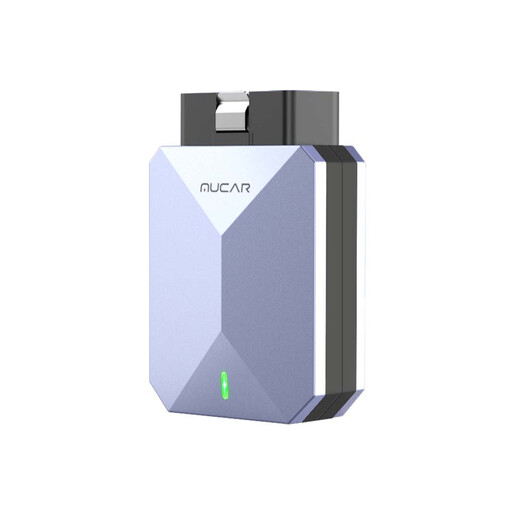
Why this model stands out The MUCAR BT200 MAX is a compact OBD2 Bluetooth adapter that packs a surprising amount of power for its size. What sets this device apart is its built-in AI assistant that not only translates fault codes but also helps analyse symptoms and provides repair recommendations. This makes it an accessible choice for beginners. The lifetime free updates are a major plus in this price category.
Key Features
Who is this for? This is an excellent choice for the DIYer who wants to read their car's data with their phone and is looking for more than just a basic fault code reader. It offers a great balance between advanced features and ease of use, without the high cost of a professional system.
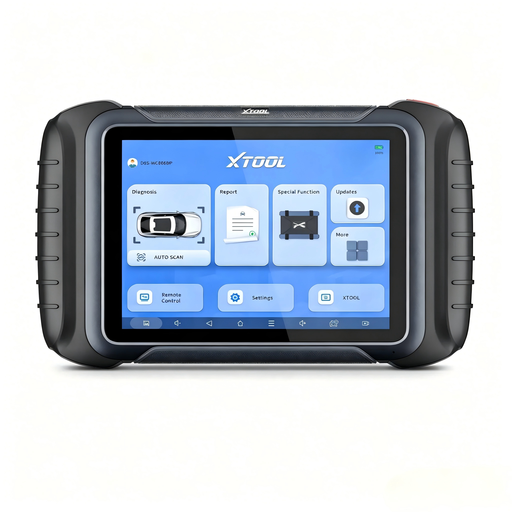
Why this model stands out The XTOOL D8S is a fully-fledged professional-grade automotive diagnostic tool in the form of a rugged 8-inch tablet. Its unique topology mapping provides a visual overview of all communication modules in the car, allowing you to quickly see their status and any faults. With support for protocols like CAN FD and DoIP, this device is prepared for the latest vehicle generations.
Key Features
Who is this for? The D8S is aimed at the serious hobbyist and the professional workshop. If you regularly perform complex diagnostics, code modules, or service a wide range of makes and models, this device provides the depth and features you need.
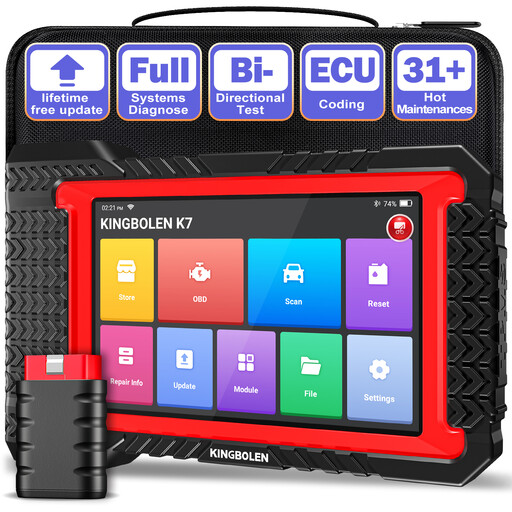
Why this model stands out The KINGBOLEN K7 combines the power of a professional tablet scanner with a very attractive benefit: lifetime free updates. This eliminates the recurring subscription costs associated with many similar systems. The device works with a wireless VCI dongle, giving you complete freedom of movement around the vehicle during the diagnostic process.
Key Features
Who is this for? This is a smart investment for both the ambitious DIYer and the professional technician looking for a future-proof car diagnostic tool without worrying about annual subscription costs. The combination of advanced features and lifetime updates offers excellent long-term value.
Didn't find the perfect model for your situation? No worries. The technology is evolving rapidly, and there is a wide range of diagnostic tools available, each with its own unique specifications and price points.
View all OBD2 Vehicle Diagnostic Scanner Tools
1. What is the difference between OBD1 and OBD2? OBD (On-Board Diagnostics) is a car's self-diagnostic system. OBD1 was the early, non-standardised system that varied by manufacturer. OBD2 is the standardised successor, mandatory for petrol cars in the EU since 2001 and for diesel cars since 2004. The devices in this article are all designed for OBD2 vehicles.
2. Can I repair my car myself with a diagnostic tool? A diagnostic tool is a diagnostic aid. It tells you what the problem is by providing a fault code (e.g., 'P0420 - Catalyst System Efficiency Below Threshold'). It doesn't always tell you how to fix it. However, it is an indispensable first step in identifying the problem, allowing you to search for a solution or order the correct parts with confidence.
