
Vandaag of morgen in huis

Kwaliteit gegarandeerd

Welkomstaanbiedingen ontgrendelen: GRATIS bezorging | Tot 80% korting | Gratis 30 dagen JoyPlus-proefperiode
Download de app
Modern vehicles are computers on wheels. A flashing light on the dashboard is often just the tip of the iceberg. For professional mechanics and serious DIYers, a simple fault code reader is no longer enough. You need a powerful car diagnostic tool that can dive deep into the systems, actuate components, and perform complex tasks.
However, the market is saturated with options, each with more promises than the last. This guide is designed to help you make the right choice. We focus on the specifications that truly matter for efficient and accurate diagnostics, so you can get to the root of the problem faster.
Before we look at specific models, here are three key points that make the difference between a handy gadget and an indispensable piece of garage equipment.
An OBD2 scanner works on most cars made after 1996, but newer vehicles (from around 2020), especially from brands like General Motors, BMW, and Volvo, use more advanced communication protocols.
A future-proof car diagnostic tool must support at least CAN FD to remain relevant for modern vehicle fleets.
A basic fault code reader displays and clears error codes. A professional diagnostic tool goes much further. Look for the following advanced features:
The automotive world never stands still. A diagnostic tool is only as good as its software. Check the manufacturer's update policy. Some models offer free lifetime updates, while others require an annual subscription. Free updates over a longer period offer more long-term value and ensure your all-system diagnostic tool continues to support the latest vehicles.
Based on the criteria above, we have selected devices that offer a good balance of functionality, vehicle coverage, and specifications for the demanding user.
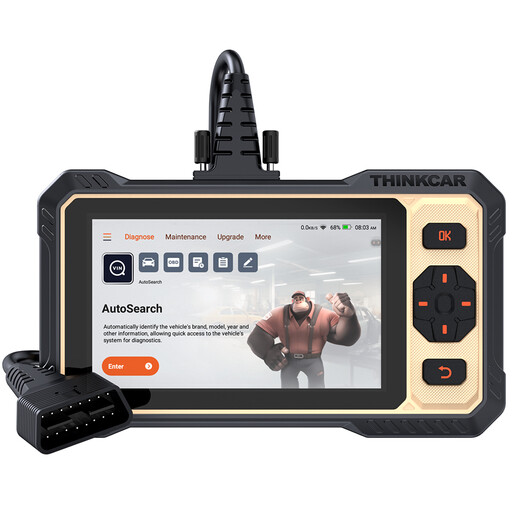
Why This Model Stands Out The ThinkScan 662 is a solid all-rounder that offers many professional features in a compact format. The device runs on an Android system and supports the CAN FD protocol, making it suitable for more recent vehicles. Its focus is on the four main systems, which is sufficient for common diagnostics and maintenance tasks.
Pros
Who Is This For? This device is an excellent choice for the advanced DIYer or the smaller workshop looking for a reliable and affordable diagnostic tool for the most common systems and maintenance jobs.
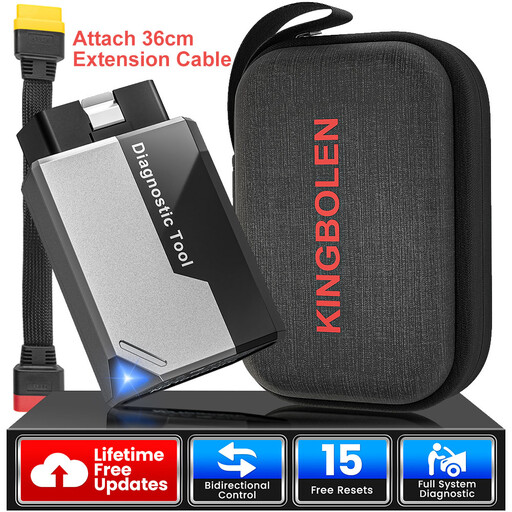
Why This Model Stands Out The KINGBOLEN Ediag Elite transforms your smartphone (Android/iOS) into a powerful diagnostic tool. This compact Bluetooth dongle offers full system diagnostics and bidirectional control, features typically found only on more expensive tablets. The free lifetime updates for all functions make it a financially attractive option.
Pros
Who Is This For? Ideal for the mobile mechanic or the tech-savvy DIYer who values the flexibility of an app-based solution. It provides in-depth diagnostic capabilities without the need for a separate, bulky tablet.
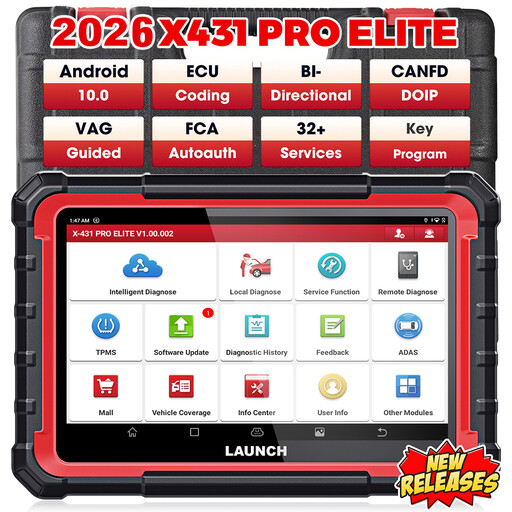
Why This Model Stands Out The LAUNCH X431 PRO ELITE is a professional diagnostic tool designed for the demanding environment of a modern workshop. With support for both CAN FD and DOIP, it is prepared for the latest vehicles. The powerful hardware, large 8-inch screen, and extensive software features, including advanced ECU coding, make this a complete solution.
Pros
Who Is This For? This is the choice for the professional workshop, garage owner, or specialist who needs an all-system diagnostic tool. If you work with complex electronic problems and a wide range of car brands daily, this device offers the depth and efficiency you need.
The models above represent a good cross-section of what is available. However, are you looking for a different type of tool, or do you want to compare more options?
? Explore our full range of ratchet tools and diagnostic equipment
1. What is the difference between a simple OBD2 scanner and a professional diagnostic tool? A simple OBD2 scanner, or fault code reader, is limited to reading and clearing generic fault codes in the engine management system. A professional diagnostic tool can communicate with all modules in the car (ABS, airbag, transmission, body control, etc.), display live data, perform bidirectional control, and apply special functions like reset functions and ECU coding.
2. Does a diagnostic tool work on every car? Most modern devices support all vehicles that comply with the EOBD/OBD2 standard (petrol from 2001, diesel from 2004). However, coverage for brand-specific systems and advanced functions varies by make and model. For the newest cars, support for protocols like CAN FD and DOIP is increasingly important. Always check the vehicle coverage of the specific model you are considering.
3. What exactly does 'bidirectional control' mean?Bidirectional control (also called 'active test') means the diagnostic tool can not only receive information from the car (read) but also send commands to it. For example, you can command the ECU to turn on the cooling fan, pulse an injector, or switch on the headlights. This helps you verify if a component is physically working, which significantly speeds up the diagnosis.
