
Vandaag of morgen in huis

Kwaliteit gegarandeerd

Welkomstaanbiedingen ontgrendelen: GRATIS bezorging | Tot 80% korting | Gratis 30 dagen JoyPlus-proefperiode
Download de app
A warning light on your dashboard is often the start of a costly garage bill. With your own car diagnostic tool, you take back control. You can diagnose your car yourself, fix simple issues, and have more informed conversations with a mechanic. But the market for OBD2 scanners is filled with marketing claims and technical jargon that often confuse more than they clarify. Many buyers fall into the same traps, ending up with a device that doesn't deliver on its promises.
As a Joybuy Product Recommendation Officer, I'll help you cut through the noise. Here are the most common pitfalls and what you really need to look for.
Many manufacturers advertise "free lifetime updates." This sounds ideal, but it often only applies to the most basic OBD2 functions. Want to reset a service interval or register a new battery after a year? You'll find yourself needing to purchase an expensive annual subscription. The core functionality you bought the device for disappears behind a paywall.
A scanner that claims to support "all car brands" is often not future-proof. Modern cars (especially post-2020) use new communication protocols like CAN FD. Without this support, your new car diagnostic tool can't connect to newer models from manufacturers like General Motors or Ford. Furthermore, brands like Fiat, Chrysler, and Jeep (FCA) have a Secure Gateway (SGW) that requires special authorisation. A scanner lacking these features will quickly become obsolete.
A cheap OBD2 scanner can often only read and clear engine (ECU) fault codes. Yet, they are sometimes marketed as a professional OBD2 scanner. However, they lack the ability to diagnose other critical systems like the ABS, airbags (SRS), or transmission. Features like a service reset tool or bidirectional control (actuating components) are completely absent.
To avoid a bad purchase, focus on the specifications that truly matter. These are the three most important points to check before you make a choice.
Look beyond just reading engine codes. A good device offers a full system scan, giving you access to all modules in the car: ABS, SRS, transmission, A/C, and more. Also, check which service reset functions are included. Popular functions are:
To ensure your diagnostic tool can handle all car brands, now and in the future, support for modern protocols is essential.
For the serious DIYer or semi-professional, these are the features that make all the difference.
Below is a selection of diagnostic tools, matched to different user profiles. These aren't "winners," but practical choices that align with specific needs and budgets.
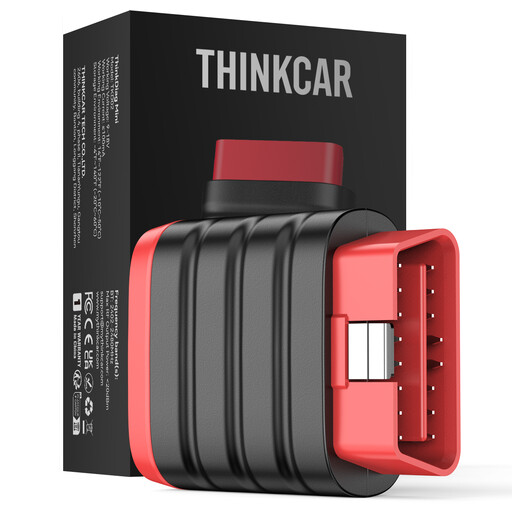
Why This Fits Their Persona: Ideal for those who want to perform quick and easy diagnostics via their smartphone. It reads not just the engine, but all vehicle systems. Perfect for finding out why a warning light is on without being immediately dependent on a garage.
This device bypasses the subscription trap by offering free lifetime updates for its core function: full system diagnostics. You pay once for the hardware and can always continue to scan all systems.
Compact, works via OBD2 bluetooth on iOS & Android, and offers a full system scan. An accessible and affordable way to start with car diagnostics.
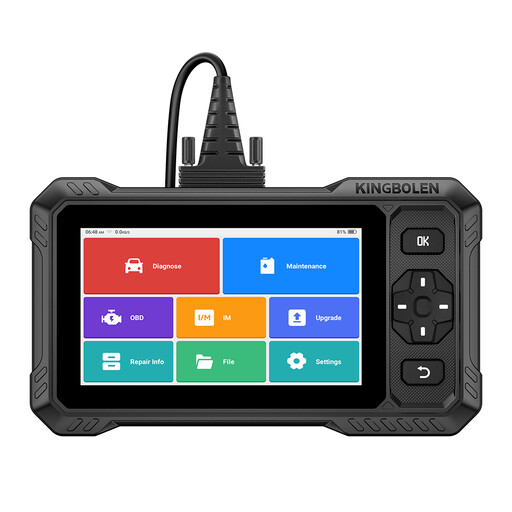
Why This Fits Their Persona: For those who want to do more than just read codes. This device offers the ability to test components yourself (active tests) and perform common maintenance resets. A serious step towards avoiding expensive garage bills for routine jobs.
This scanner combines advanced features like bidirectional control and CAN FD support with free lifetime updates. You're investing in a future-proof tool that isn't limited to basic functions or outdated car models.
Offers professional features (active tests, 15+ resets, FCA/Renault SGW access) at an accessible price, including lifetime updates. An excellent value for money.
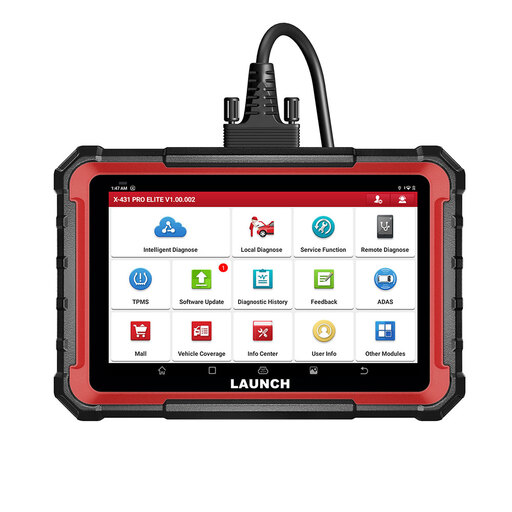
Why This Fits Their Persona: An all-in-one solution for those who work with various car brands and complex issues daily. This device is designed for in-depth diagnostics, repairs, and module coding, which is essential in a professional environment.
This is a full-fledged car diagnostic tool that not only reads basic codes but also handles complex tasks like ECU coding and dealer-level active tests. Its support for CAN FD/DoIP guarantees compatibility with the latest models.
OE-level full system diagnostics, over 31 reset functions, and advanced ECU coding on a stable tablet platform with a large 8-inch screen. The 2 years of free updates provide peace of mind for professional use.
We have compiled a complete, up-to-date list of products that fully meet these strict selection criteria and local regulations.
No, an OBD2 diagnostic tool is designed to monitor a car's health and diagnose faults. Adjusting or rolling back the mileage is illegal and is not supported by these devices. They are intended for diagnostics and maintenance, not for fraudulent purposes.
Most petrol cars built after 2001 and diesel cars after 2004 in the EU follow standard OBD2 protocols. Therefore, a basic scanner can often connect to the engine. However, for full system access and compatibility with newer cars (post-2020), support for protocols like CAN FD and DoIP is crucial. Always check the specific compatibility of a scanner with your car's make, model, and year.
The difference lies in functionality and depth.
