
Vandaag of morgen in huis

Kwaliteit gegarandeerd

Welkomstaanbiedingen ontgrendelen: GRATIS bezorging | Tot 80% korting | Gratis 30 dagen JoyPlus-proefperiode
Download de app
An unexpected light on your dashboard can ruin your day. Is it something simple, or are you facing an expensive garage bill? A car diagnostic tool gives you immediate insight, putting you back in control. But the market is flooded with options, and it's easy to make the wrong choice. As a Joybuy Product Recommendation Officer, I'll help you see through the marketing jargon and find a device that truly fits your needs, without any hidden costs.
Before you make a purchase, it's crucial to be aware of the pitfalls that many car owners fall into.
To avoid a bad purchase, focus on the specifications that truly matter. Don't get distracted by a long list of features you'll never use.
This is the most critical distinction. A basic fault code reader complies with the OBD2/EOBD standard and can only read the engine management system. This is useful for seeing why the check engine light is on.
A device with all-system diagnostics goes much further. It communicates with all the Electronic Control Units (ECUs) in your car, such as:
If you want to do more than just reset the check engine light, a scanner that supports all systems is a must-have.
The functionality determines what you can do with the device beyond simply reading codes.
Modern diagnostic devices come in two main forms:
Below is a selection of diagnostic devices tailored to different user profiles.
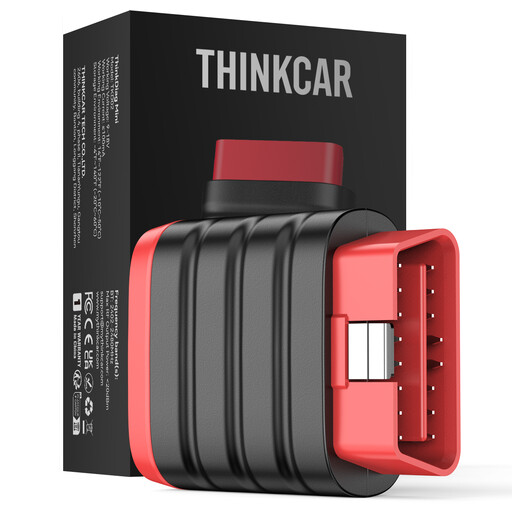
Why This Fits Their Persona: Ideal for those who want to quickly find out what's wrong without an immediate trip to the garage. This compact dongle turns your smartphone into a powerful diagnostic tool for a quick check of all systems.
All-system diagnostics are free for life. You pay once for the hardware and don't have to worry about hidden subscription costs for core functionality.
Offers all-system diagnostics, which is uncommon in this price range. Compact and works easily via a car diagnostics app on iOS and Android.
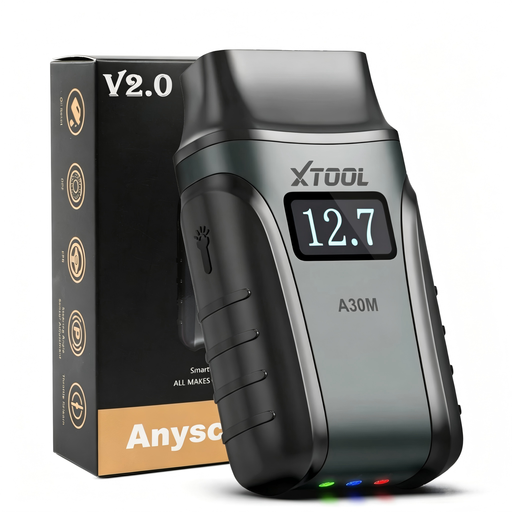
Why This Fits Their Persona: For those who perform their own maintenance, like replacing brakes or changing oil. This device offers not only diagnostics but also the reset functions and active tests needed to complete the job properly.
All features, including the 26+ resets and bi-directional control, come with lifetime free updates. This is a huge value-add and completely avoids the subscription trap.
Full bi-directional scanner functionality and a wide range of resets. Supports the CAN FD protocol for newer GM vehicles and has FCA AutoAuth access.
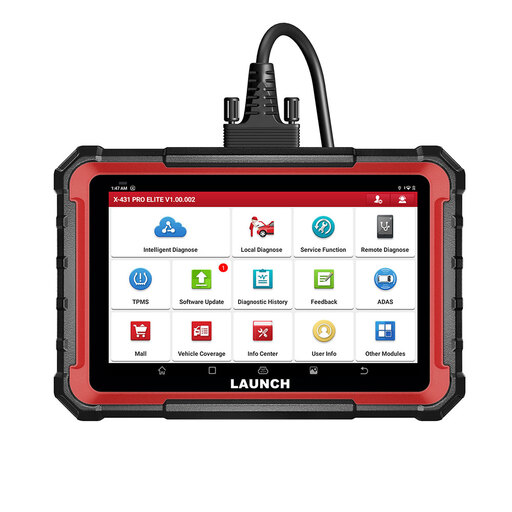
Why This Fits Their Persona: For those who work on various car brands and need professional-grade features. This tablet scanner provides the depth and coverage required for complex diagnostics and repairs.
This device avoids the 'false promises' pitfall. Where cheaper tools claim to do it all, this scanner actually delivers the promised OE-level functions, including support for the latest CAN FD & DoIP protocols.
Powerful hardware (8-inch tablet, Android 10) and advanced software features like ECU coding and over 31 resets. The 2 years of free updates provide peace of mind for professional use.
We have compiled a complete, up-to-date list of products that fully meet these strict selection criteria and local regulations.
1. Does an OBD2 scanner work on every car? Not on every car, but on most modern ones. In the EU, the OBD2/EOBD standard is mandatory for petrol cars manufactured from 2001 onwards and for diesel cars from 2004. Older cars or vehicles from other regions may have a different diagnostic connector or protocol. Advanced features like all-system diagnostics or performing resets always depend on the specific make, model, and year. Therefore, always check for compatibility.
2. Can I change the mileage with a diagnostic tool? No, the diagnostic tools discussed here are intended for diagnosis and repair. Rolling back the odometer is illegal and is not supported by these tools. They can, however, read the mileage from various modules, which can actually help detect fraud.
3. What is the difference between a cheap Bluetooth dongle and an expensive tablet scanner? The main difference lies in the depth of features and the hardware. A cheap dongle is often limited to reading engine codes. A more expensive tablet scanner typically offers all-system diagnostics, dozens of reset functions, bi-directional control, and sometimes even ECU coding. Additionally, a tablet has its own screen, battery, and a faster processor, making diagnostics more stable and user-friendly, especially for intensive use.
