
Vandaag of morgen in huis

Kwaliteit gegarandeerd

Welkomstaanbiedingen ontgrendelen: GRATIS bezorging | Tot 80% korting | Gratis 30 dagen JoyPlus-proefperiode
Download de app
A warning light on your dashboard is often the start of an uncertain and potentially expensive ordeal. A trip to the garage can quickly add up, even for a simple diagnosis. Owning a car diagnostic tool gives you immediate insight and control. But the market is flooded with devices that overpromise and underdeliver. Many buyers fall into the same traps, ending up with a tool that's either useless or unnecessarily expensive.
Before you make a decision, it's crucial to recognise the most common marketing pitfalls:
This article will help you navigate these pitfalls and choose a car diagnostic tool that fits your needs without wasting money.
To avoid a costly mistake, it's crucial to look beyond the marketing buzzwords. Focus on the technical specifications that determine what a device can truly do.
The software of a diagnostic tool is just as important as the hardware. Car manufacturers continuously release new models and updates. Without software updates, your device will quickly become obsolete. The most important question is how these updates are delivered.
Therefore, look specifically at the terms for updates. A model with lifetime free updates offers more security and value.
A modern diagnostic tool for all car brands must support the latest communication protocols. Without this support, you won't be able to diagnose many cars built after 2020. Look for the following terms:
A device that supports these protocols is more future-proof and has broader applicability.
Not every car diagnostic tool is created equal. The functionality can vary enormously:
Determine the level of depth you need. For most users, a device with all-system diagnostics and several service reset functions is a good balance.
Below is a selection of diagnostic tools, matched to different user profiles. These recommendations are based on objective specifications that help avoid the pitfalls mentioned earlier.
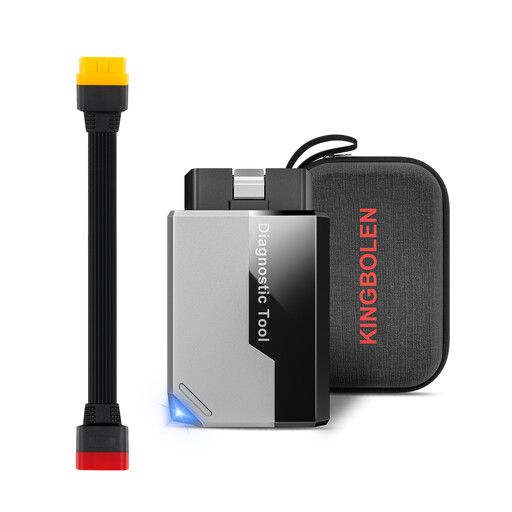
Why This Fits Their Persona: Ideal for those who want to perform basic diagnostics and minor maintenance themselves to save on garage costs. This compact OBD2 bluetooth adapter works seamlessly with your smartphone and is perfect for reading all systems and performing the most common resets.
This device offers lifetime free updates for all functions, including 15 service resets. You pay once and are not tied to hidden subscription costs.
Offers surprisingly advanced features for its price, such as all-system diagnostics and bi-directional control. Supports CAN-FD and FCA AutoAuth.
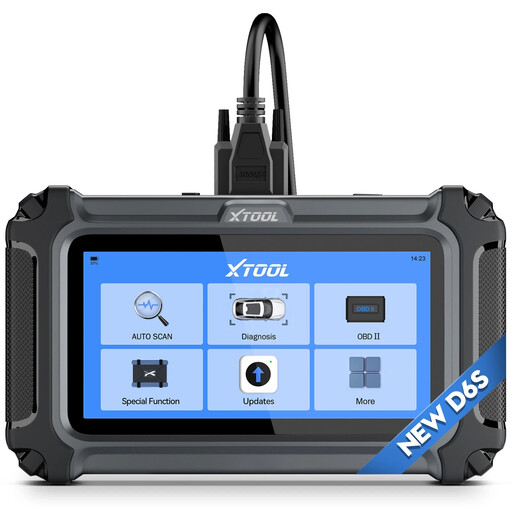
Why This Fits Their Persona: For the serious hobbyist who wants to do more than just read codes. This tablet scanner is perfect for more complex diagnostics, extensive maintenance, and performing active tests on a wide range of cars.
Offers lifetime free updates for software and more than 30 reset functions. Support for CAN FD and FCA AutoAuth ensures the device won't become obsolete quickly.
A complete, wired tablet scanner that offers stability during use. The comprehensive set of 30+ service functions makes it a highly versatile tool.
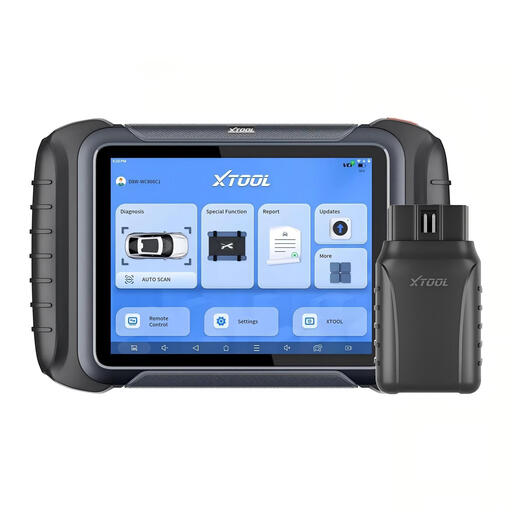
Why This Fits Their Persona: Designed for daily, intensive use in a professional environment. This professional diagnostic tool offers the most advanced features needed for efficient and accurate repairs on a wide range of modern vehicles.
This model offers advanced features like ECU coding, topology mapping, and support for DoIP, which are often missing from cheaper "pro" models. The 3 years of free updates provide a long period of security.
The intelligent topology map provides an instant visual overview of the communication status of all modules. The fast wireless WiFi connection offers maximum freedom of movement in the workshop.
We have compiled a complete, up-to-date list of products that fully meet these strict selection criteria and current regulations.
A cheap OBD2 scanner (often under €50) is typically a simple fault code reader that can only read and clear engine faults. A more advanced diagnostic tool offers all-system diagnostics, meaning it also communicates with systems like ABS, airbags, transmission, and A/C. Additionally, it often includes a service reset tool for maintenance tasks and sometimes even bi-directional control to actively test components. The investment reflects the diagnostic depth.
The term "universal" usually refers to the OBD2 standard for engine faults, which has been mandatory in the EU for petrol cars since 2001 and diesel cars since 2004. For in-depth diagnostics of all other systems, compatibility is more complex. Modern cars (from around 2020 onwards) often require newer protocols like CAN FD or DoIP. For brands like Fiat, Chrysler, and Jeep, you need FCA AutoAuth. Therefore, always check the specific brand and model support of the device you are considering.
That depends entirely on the model. Some devices, particularly in the lower price range, require an annual subscription to continue using all features. Other models, like some of our recommendations, offer lifetime free updates. In the long run, this is often a significantly more cost-effective option. Always read the product description carefully to avoid unexpected, recurring costs.
