
Vandaag of morgen in huis

Kwaliteit gegarandeerd

Welkomstaanbiedingen ontgrendelen: GRATIS bezorging | Tot 80% korting | Gratis 30 dagen JoyPlus-proefperiode
Download de app
A warning light on your dashboard. It's a familiar scenario that immediately causes stress. Is it serious? How much will the repair cost? A car diagnostic tool puts you back in control. It allows you to read your car's diagnostics yourself, identify fault codes, and in many cases, even reset the check engine light. But the market for these devices is overwhelming. Many models look alike, and the marketing promises are often too good to be true.
Before you make a choice, it's crucial to understand the two most common pitfalls that cost many car owners money and frustration:
This guide will help you navigate these pitfalls and choose a car diagnostic tool that fits your needs, both now and in the future.
Not all diagnostic tools are created equal. The most important distinction lies in the depth of the diagnosis.
car fault code reader. It focuses exclusively on engine management and emissions-related problems. It can read and clear fault codes (DTCs) that activate the check engine light. It's fine for a quick check, but it won't see anything from other important systems.full system diagnostics to find the cause.Modern cars often require a 'reset' after maintenance to let the onboard computer know that a part has been replaced. A good diagnostic tool can save you a lot of money by allowing you to perform these tasks yourself.
15 reset functions or more offer broad support for these tasks.active test allows you to send commands to the car. For example, you can turn on the cooling fan, test an injector, or open and close the windows using the scanner. This bidirectional control is crucial for quickly determining whether a component itself is faulty or if the problem lies in its control system.Automotive technology is evolving rapidly. To ensure your diagnostic tool will also work on newer cars, support for the latest communication protocols is essential.
CAN FD support, you won't be able to read these modern vehicles, or only to a limited extent.professional diagnostic tool for modern garage equipment now often features DoIP.We have made a selection tailored to different users, with a special focus on avoiding the pitfalls mentioned earlier.
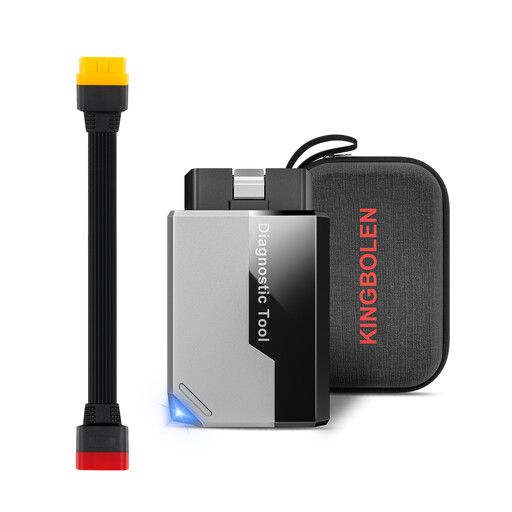
Why This Fits Their Persona: Perfect for those who want to reset the check engine light, perform a full system scan, and handle basic maintenance like an oil reset. The app-based operation on your smartphone is user-friendly, and the compact dongle is easy to store.
With lifetime free updates for all system diagnostics and 15 reset functions, you completely bypass the subscription trap. A one-time purchase gives you continuous access without hidden costs.
Offers a combination of full system diagnostics, 15 reset functions, and even basic bidirectional control, which is exceptional in this price range. Works wirelessly via Bluetooth on iOS and Android.
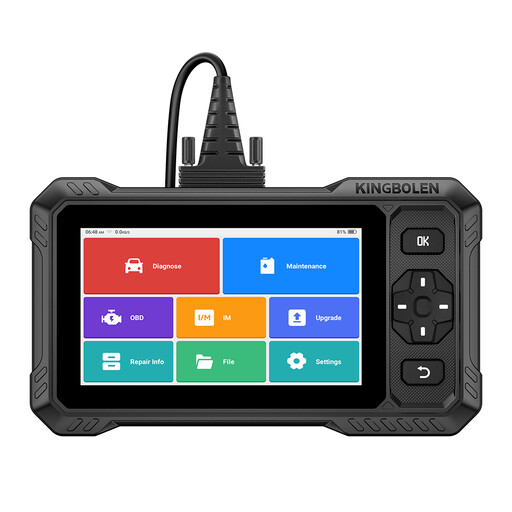
Why This Fits Their Persona: For the serious hobbyist who wants to do more than just read codes. This device allows you to diagnose complex problems thanks to its active tests and prepares you for newer cars. The tablet interface with physical buttons is easy to operate, even with gloves on.
This scanner offers lifetime free updates and supports the CAN FD protocol. This prevents both the subscription trap and the coverage gap, as you maintain access to features for recent car models at no extra cost.
The combination of full bidirectional control (active tests) and broad vehicle coverage with CAN FD and FCA access (via a separate subscription with the manufacturer) offers functionality normally found in a much higher price bracket.
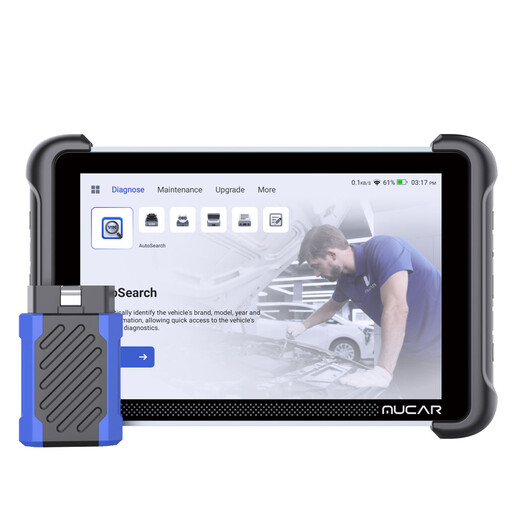
Why This Fits Their Persona: Designed for the small workshop or the highly demanding user. This is an all-in-one solution for complex diagnostics, including module coding and working on the very latest vehicles. Its expandability with other tools makes it a central piece of garage equipment.
Lifetime free updates for all functions is the ultimate protection against subscription costs. Support for CAN-FD & DoIP ensures you won't need to buy a new device in a few years for modern cars.
Offers advanced features like ECU coding and is expandable with professional tools (e.g., oscilloscope, TPMS tool). The magnetic VCI dongle is a handy detail for the workshop.
We have compiled a complete, up-to-date list of products that fully meet these strict selection criteria and local regulations.
An OBD2 scanner works on virtually all petrol cars sold in the EU from 2001 onwards and diesel cars from 2004 onwards. These cars are legally required to have a standardized OBD2 port. For older cars or specific brands, you may sometimes need an adapter cable. Coverage for advanced functions like full system diagnostics or active tests can vary by car make and model.
The hardware itself can last for many years. However, the software is the key to its long-term usability. Car manufacturers continuously release new models and software updates. Without regular updates to your scanner, its compatibility with newer cars and systems will diminish. A model with lifetime free updates is therefore a wise investment that significantly extends the life of your tool.
Yes, one of the basic functions of almost every OBD2 scanner is reading and clearing the fault codes that cause the check engine light to illuminate. After you have read the fault code and had the underlying problem fixed, you can clear the code. The light will then turn off. If the problem has not been resolved, the light will eventually come back on by itself.
