
Vandaag of morgen in huis

Kwaliteit gegarandeerd

Welkomstaanbiedingen ontgrendelen: GRATIS bezorging | Tot 80% korting | Gratis 30 dagen JoyPlus-proefperiode
Download de app
A car diagnostic scanner can do more than just clear an engine warning light. With the right model, you can read fault codes, view live data, check multiple vehicle systems and sometimes even activate components. However, not every OBD2 scanner is suitable for professional use or for your specific car.
As a Joybuy Product Recommendation Officer, I focus on product specifications that can be verified. This makes it easier to assess marketing claims and avoid buying the wrong product.
Many scanners list a large number of car makes or a percentage of vehicle coverage. That doesn’t automatically mean every service reset, active test or ECU coding function will be available for your car.
Compatibility can vary depending on:
Before buying, check that the function you need is available for your VIN. This could be TPMS diagnosis, injector coding, DPF regeneration or an EPB reset.
A basic scanner often reads the engine, transmission, ABS and SRS systems only. That may be enough for a basic check, but faults can also be stored in other modules, such as:
If you work on multiple vehicles, full-system diagnosis is usually more useful than a standard OBD2 code reader alone.
According to product information from various brands, certain models include lifetime free updates. However, check exactly what gets updated: basic software, vehicle coverage, service functions or everything. Other models include updates for a limited period only.
Remember to check for additional costs, too. Secure systems may require a separate FCA AutoAuth account or access provided by the manufacturer. These costs aren’t automatically covered by the scanner.
Professional car diagnostics starts with access to as many electronic systems as possible. Look for features such as:
A scanner with reporting features is useful for garages and mobile mechanics, as you can save your findings or share them with a customer.
A bidirectional scanner can send commands to an ECU on supported vehicles. For example, you can activate a cooling fan, injector, window, relay or actuator. This is also known as an active test.
Important: the number of tests listed doesn’t guarantee they’ll be available on every vehicle. The ECU and vehicle software determine which commands are available. Only use active tests if you understand how they work and what the possible consequences are.
Newer vehicles use communication protocols such as CAN FD and DoIP. CAN FD can handle larger data messages, while DoIP uses IP/Ethernet for vehicle communication. Without support for these protocols, a scanner may have limited functionality on certain modern models.
FCA AutoAuth is also worth considering. Secure FCA gateways may require separate registration or authorisation. Check the latest requirements with the manufacturer before expecting to use ECU coding or other secure functions.
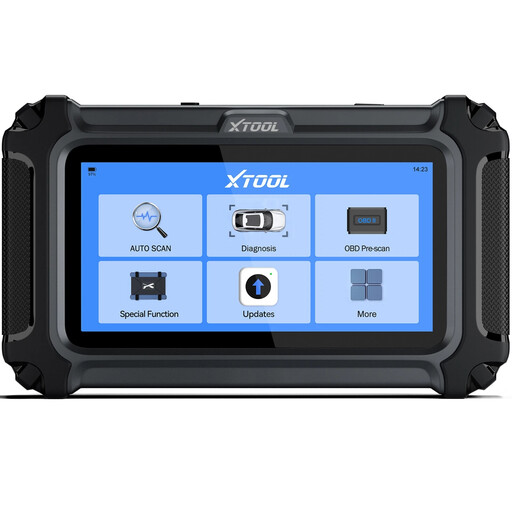
Why it suits this user: This compact car diagnostic tool is designed for routine checks, used car inspections and straightforward jobs in your own garage. According to the product information, it features a touchscreen, AutoVIN and PDF reports.
The product information clearly states that the scanner mainly diagnoses four systems and that functions vary by vehicle. This makes its limitations easier to understand.
Four-system diagnostics, live data display, CAN FD support and, according to the product information, lifetime free software updates.
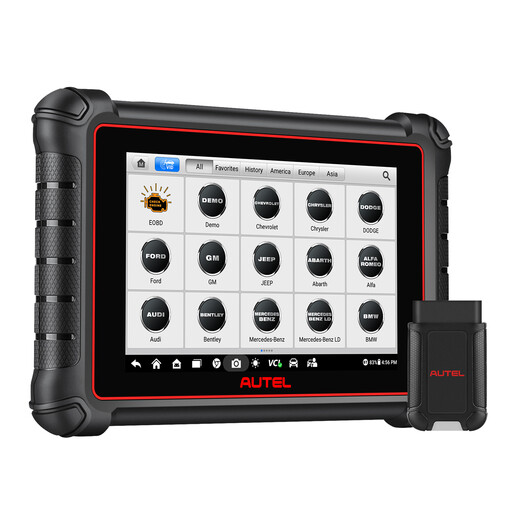
Why it suits this user: The combination of a larger screen, wireless connection, full-system diagnosis and bidirectional functions makes this model suitable for intensive use in a workshop or by an advanced DIY enthusiast.
The product information lists CAN FD, DoIP and FCA AutoAuth separately. This lets you compare these protocols specifically, rather than relying only on a general coverage percentage.
Full-system diagnosis, active tests, more than forty listed service functions and support for live data in different display formats.
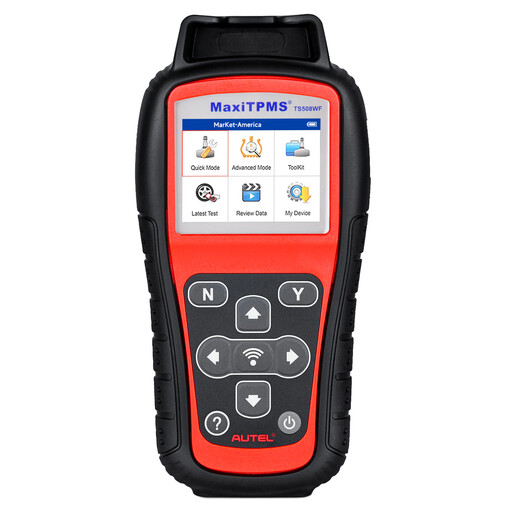
Why it suits this user: This model is designed for tyre and TPMS work, making it a good fit for a tyre service, mobile mechanic or anyone who regularly replaces and relearns sensors.
The product description makes clear that this is a specialist TPMS tool and that programming is intended for Autel MX-Sensors. This helps avoid confusing it with a general full-system scanner.
Activate TPMS sensors, read sensor data, use multiple relearn procedures and get Wi-Fi updates, according to the product information.
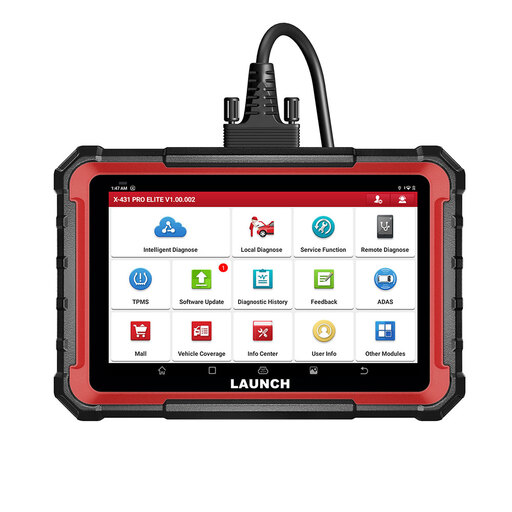
Why it suits this user: According to the product information, this model focuses on full-system diagnosis, ECU coding, active tests and expandable workshop functions. It’s a good fit for mechanics who work on multiple makes.
The listed features are clearly specified: CAN FD, DoIP, ECU coding, active tests and service functions. Even so, check compatibility with each vehicle before carrying out a command.
8-inch screen, 4 GB RAM, 64 GB storage, bidirectional diagnostics and support for add-ons such as TPMS and ADAS modules.
We’ve put together a complete, up-to-date list of products that meet these strict selection criteria and current European safety regulations.
With most models, you plug the scanner into the OBD port and switch on the ignition. Tablets with Wi-Fi often need an internet connection for registration, software updates and certain online functions. Bluetooth models also work with a smartphone app or a separate VCI module. Check in advance which app, account registration and power connection you’ll need.
Its lifespan depends on how it’s stored and handled, as well as battery use and updates. Keep the device dry and out of direct sunlight, and don’t leave it in an extremely hot car. A model that retains its basic functionality after the update period ends may be more practical in the long term. Also check the warranty terms and whether software is available for your vehicle.
As well as the purchase price, subscriptions, online manufacturer access, FCA AutoAuth, additional vehicle software or expansion modules may incur extra costs. Models with lifetime free updates can help reduce recurring software costs, but they don’t replace all external access or registration fees. Compare the total cost of ownership with the features you actually need.
