
Vandaag of morgen in huis

Kwaliteit gegarandeerd

Welkomstaanbiedingen ontgrendelen: GRATIS bezorging | Tot 80% korting | Gratis 30 dagen JoyPlus-proefperiode
Download de app
Keeping your car clean may seem straightforward, but using the wrong car detailing supplies can soon cause problems. A brush that’s too stiff can damage delicate surfaces, the wrong pad on a polishing machine can leave an uneven finish, and wax won’t last as long if the paintwork hasn’t been prepared properly.
This guide will help you choose car cleaning products, car polish and accessories for everyday care. Our recommendations are based on verifiable specifications, such as materials, dimensions, battery capacity and adjustable speed settings.
A brush that’s suitable for wheels isn’t necessarily suitable for car paintwork, glass or leather upholstery. Stiff nylon bristles can work well on stubborn dirt on wheels, but are less suitable for delicate surfaces. So check:
A soft microfibre or fine-bristled car interior brush is a better choice for air vents, dashboards and seams. You can use a separate wheel cleaning brush for your wheels.
Wax and paint protection products sometimes claim to last for a long time. According to the supplier’s product information, Premium Multifunctional Car Care Wax may provide protection for up to six months. This is a claim from the product description, not a guaranteed result. How long it actually lasts depends on factors including:
So think of car wax as part of regular maintenance, rather than a one-off solution.
A car polishing machine can save time, but using it incorrectly can build up heat or make existing paintwork problems more noticeable. Start at a low setting, apply light pressure and choose a suitable pad. Use hard pads for more intensive correction and softer car polishing pads for finishing or applying wax. Test on a small, inconspicuous area first.
For a cordless pressure washer, battery capacity, running time and hose length matter more than simply calling it “powerful”. According to its product specifications, the Oxerbog portable cleaner has a 1200mAh battery, a stated running time of around 15 minutes and a 5-metre hose. That makes it suitable for a quick wash or rinsing a car somewhere without a mains connection.
Also check whether the device can draw water from a bucket, whether it needs to be connected to a tap and how its parts should be maintained after use. With this model, you need to drain any remaining water and rinse the foam bottle with clean water.
On a polishing machine, the backing plate and speed determine which tasks it’s suitable for. A model with several settings gives you more control when waxing, light polishing and working on details. Check the:
According to its product details, the EAFC Cordless Car Polisher has a 125 mm pad, eight speed settings and a stated range of 2800 to 5500 RPM. Always use accessories that match the machine in size and attachment type.
Soft chenille fibres make a car wash brush a practical choice for cleaning larger panels. According to its product description, the HELLO LEIBOO wash brush has an adjustable head, a telescopic aluminium handle and a detachable brush head. Rinse the head thoroughly before and after use. Otherwise, any loose sand could still scratch the paintwork.
A separate detailing brush is more convenient for small areas. Check that its handle has no metal parts that could come into contact with the paintwork or interior. Allow washed brushes to dry completely to help prevent odours and mould.
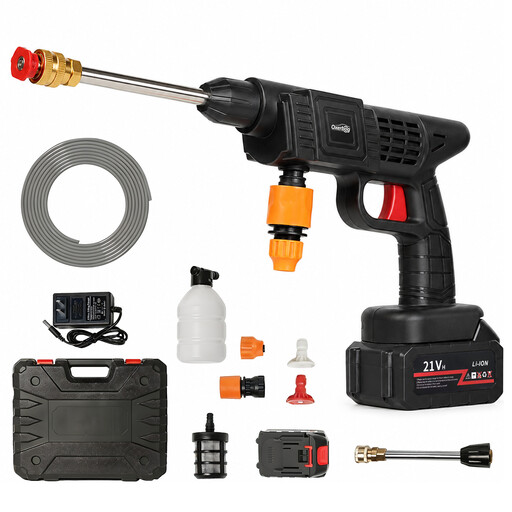
Why it suits this profile: A compact option for anyone who wants to rinse their car at home or on the go without a mains connection.
The product page lists both the battery capacity and running time, so you can plan around a limited washing time.
1200mAh battery, 5-metre hose, foam bottle and several spray nozzles, according to the product specifications.
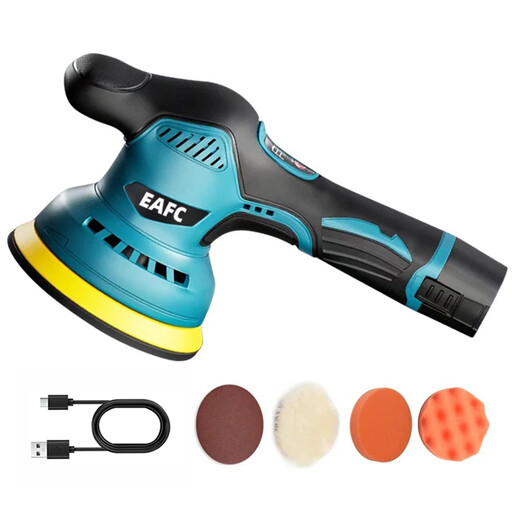
Why it suits this profile: A good choice for car owners who wax and polish regularly and want control over the speed.
The eight speed settings let you start slowly instead of going straight to a high speed.
12V system, 125mm pad, orbital action and a speed range of 2800–5500 RPM, according to the product specifications.
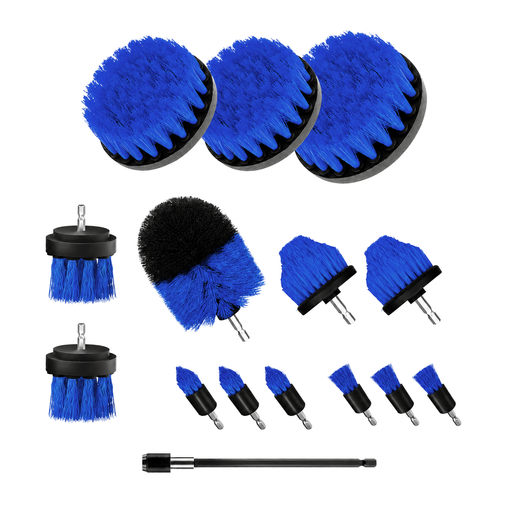
Why it suits this profile: Handy if you want to clean wheels, tiles, plastic and hard-to-reach seams as well as your car.
The set includes brushes with different levels of stiffness. The instructions say that the harder options aren’t intended for paintwork or soft leather.
Seven nylon brush heads, a hexagonal shank and an extension for tight spaces.
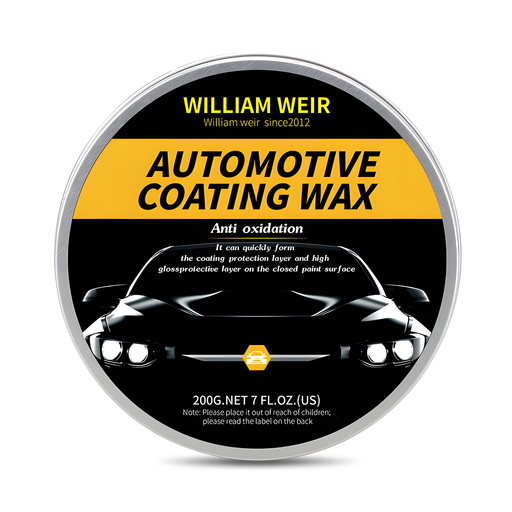
Why it suits this profile: A practical option if you want to apply a coat of wax after washing, without putting together a complete kit.
According to the product information, the pack includes an applicator pad and microfibre cloth. How long the stated protection lasts will depend on the conditions of use.
200 ml of paste, carnauba wax according to the product description, plus an applicator and microfibre cloth.
If stone chips are affecting your visibility, you could also consider a windscreen repair kit. According to its product information, the Rain-X Windscreen Repair Kit is intended for laminated windscreens and damage within the stated size limits. Always check the type of damage before use and follow the instructions. For everyday removal of water from mirrors and windows, a compact car window squeegee is more practical.
We’ve put together a complete, up-to-date list of products that meet these strict selection criteria and the applicable European safety regulations.
Start with car shampoo, two buckets, a soft wash brush or wash mitt, microfibre cloths, an interior brush and a separate wheel cleaning brush. Add car wax or a polishing machine later if you want to maintain the paintwork more regularly.
It depends on the battery capacity, how often you use it and how well it’s maintained. Check the stated running time and rinse out the hose and foam bottle after use. Don’t leave water in the pump or accessories, especially in freezing weather.
That’s not recommended. Use different pads for cleaning, correcting and finishing. Keep them clean, use an appropriate speed and replace them when the material becomes worn or damaged.
