
Vandaag of morgen in huis

Kwaliteit gegarandeerd

Welkomstaanbiedingen ontgrendelen: GRATIS bezorging | Tot 80% korting | Gratis 30 dagen JoyPlus-proefperiode
Download de app
A clean car doesn’t start with as many bottles, brushes and machines as possible. The right combination depends on the surface, the type of dirt and how often you carry out maintenance. If you go by terms such as “professional”, “powerful” or “all-in-one” alone, you could spend money on accessories that are awkward to use, wear out quickly or cause damage if used incorrectly.
This guide helps you compare car detailing products based on verifiable specifications. You’ll find points to consider for both the interior and exterior, followed by product suggestions for different needs.
A car pressure washer can loosen dirt quickly, but a powerful jet used at close range can put stress on rubber seals, badges or delicate edges in the paintwork. So don’t look only at the maximum pressure in bar. Check whether it comes with an adjustable or rotary nozzle, a foam bottle and a hose that’s long enough.
Start with a wide spray and keep your distance. Remove loose sand before contact washing to reduce the risk of rubbing dirt particles across the paintwork.
A car wash brush or car detailing brush may feel soft, but hard grains of sand caught in the fibres can still cause scratches. Check that:
The same applies to a car wash mitt. Don’t use it dry on paintwork or glass. Rinse it regularly and use plenty of water and cleaning product.
When waxing and polishing a car, the speed, orbit and pad you choose all make a difference. A machine with several speed settings gives you more control, but it won’t automatically prevent holograms or paint damage. Beginners are better off starting at a low speed with a mild polish. Test it on a small, inconspicuous area first.
For brushes, fibre type, density and flexibility matter more than the colour or a marketing name alone. A compact car detailing brush is handy for air vents, seams and cup holders. A product measuring 12.3 × 11 × 10 cm, for example, is easier to store in a glove compartment than a large brush.
For a car wash mitt, check its size, fibre length and how securely it stays on your hand. A model measuring 23 × 15.5 × 2 cm offers a relatively large contact area, but it needs a thorough rinse after every use.
When comparing electric car pressure washers, power, operating pressure, water flow rate and hose length are useful points to consider. A stated power rating of 2200 W, 180 bar and 480 l/u gives you an idea of the machine’s technical capacity, but it doesn’t mean you should clean every surface using the maximum setting.
A cordless car washer gives you more flexibility in places without a power socket. In that case, check:
For example, the Oxerbog product page lists a 1200 mAh battery, a stated run time of 15 minutes and a 5-metre hose. That’s suitable for short cleaning jobs, but less so for washing several cars one after another.
A car polishing machine with variable speed is more useful than one with just a single setting. Check the speed range, eccentric orbit, disc diameter and battery life. The BATOCA S2 lists an 8 mm orbit, a 125 mm disc diameter, six speed settings and two 5000 mAh batteries.
A smaller model with a 5 mm eccentric orbit may be a good choice for beginners or smaller panels. Always use a suitable pad and check that the battery, charger and attachment are actually included in the box.
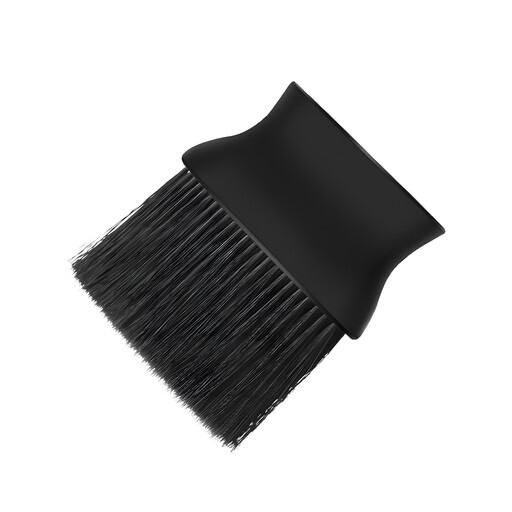
Why it suits this need: This compact brush is designed for dust and dirt in air vents, seams, dashboards and other hard-to-reach areas. Its stated dimensions are 12.3 × 11 × 10 cm, and it has a PP handle with fibre bristles.
There’s no need to buy a bulky set if you mainly want to tackle dust and narrow gaps in the interior. Check the bristles for sand before use, and don’t apply excessive pressure to paintwork, glass or glossy surfaces.
Compact to store, with no metal parts, and suitable for several narrow surfaces in your car and home.

Why it suits this need: According to the product information, this cordless car polishing machine has an LCD speed display, six settings, an 8 mm eccentric orbit and two 5000 mAh batteries.
The adjustable speed makes it easier to avoid starting at a high setting. Still, check your pad choice, the condition of the paintwork and the battery charge. A machine is no substitute for careful technique.
Two interchangeable batteries, an LCD display and a 125 mm pad size for controlled work on body panels.
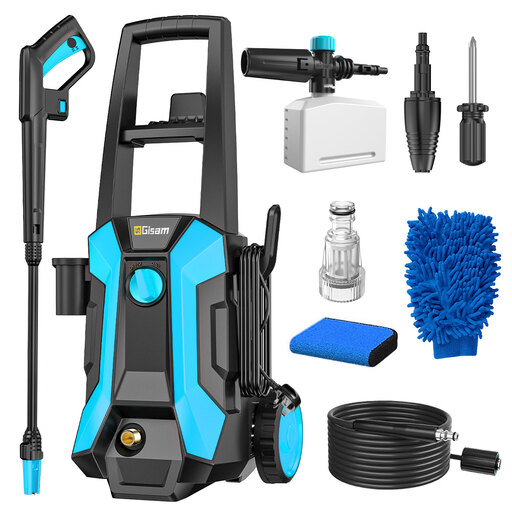
Why it suits this need: The listed specifications include 2200 W, 180 bar, 480 l/u, an 8-metre hose, a foam nozzle and a rotary nozzle. This is useful if you also clean your patio, fence or driveway as well as your car.
The included accessories make it easier to control the application and rinse off than using only a narrow, powerful jet. Keep a suitable distance from your car and start at a low intensity.
A long 8-metre hose, an integrated hose reel and accessories for applying foam, targeted cleaning and larger surfaces.
For the interior, a targeted approach usually works better than using one all-purpose spray. A car dashboard cleaner is designed for dashboards, plastic and screens; always check the instructions for sensitive coatings. According to the product information, the Rain-X Dash & Screen set includes 300 ml of cleaner and a microfibre cloth. When cleaning screens, it’s best to spray the cloth rather than applying the product directly to openings or edges.
An interior car cleaner is suitable for general dirt, but test any new product on a hidden area first. Use a clean, dry cloth on glass to help prevent streaks. For paintwork and wheels, separate car cleaning products are often a better choice than one product for every material.
If you’re considering a complete car detailing kit, check which items you’ll actually use. A good basic kit could include a car wash mitt, microfibre cloths, a car detailing brush, a bucket, a suitable cleaning product and, if needed, a polishing machine. More items don’t automatically mean better results.
We’ve put together a complete, up-to-date list of products that meet these strict selection criteria and current European safety regulations.
Start with a car wash mitt, two types of microfibre cloth, a car detailing brush, a suitable car cleaning product and a glass cleaner. You can add a car dashboard cleaner for the interior. A pressure washer or polishing machine is only worth considering if you’ll use it regularly.
Rinse away sand and loose dirt first, use plenty of water and don’t rub paintwork or glass when dry. Rinse the car wash mitt thoroughly after use and leave it to dry completely. Don’t use a brush if its bristles contain hard particles.
That depends on how often you use it. You won’t need an extension lead, but the battery has a limited run time and needs recharging. So compare the battery capacity, charging time, hose length and included accessories with those of an electric pressure washer. Also consider storage, maintenance and how to dispose of the leftover water.
