
Vandaag of morgen in huis

Kwaliteit gegarandeerd

Welkomstaanbiedingen ontgrendelen: GRATIS bezorging | Tot 80% korting | Gratis 30 dagen JoyPlus-proefperiode
Download de app
Keeping your car clean sounds simple, until you scratch the paintwork with sand, use a brush that’s too stiff on the interior or buy a cordless cleaner whose battery runs flat quickly. If you’re looking for car detailing products, you’ll also come across plenty of marketing claims about power, shine and professional results. However, not every specification tells you much about how a product performs in everyday use.
This guide helps private car owners, DIY detailers and small car-cleaning businesses choose the right products. From washing your car and removing dust to polishing, cleaning windows and maintaining the paintwork, focus on materials, reach and maintenance.
High suction power or water pressure may sound appealing, but it isn’t automatically suitable for every surface. A powerful jet can move dirt around without loosening it safely. On paintwork, rubber and delicate parts, a controlled approach matters more than a high figure alone.
When choosing a pressure washer for your car, also check the spray nozzles, whether you can use foam and how far you need to hold it from the paintwork. For the interior, a compact cordless car vacuum cleaner with narrow attachments is often more practical than a large appliance.
A soft car-washing mitt or car-cleaning brush may be suitable for paintwork, but sand and hard particles can still cause damage. Never use a cloth, sponge or brush dry on a dusty surface. Rinse the car first and clean your accessories after every use.
A car polisher also needs to be used with care. An orbital action can make a machine more forgiving to use, but too much pressure, heat or the wrong polishing pad can still cause damage.
A product may seem attractively priced, but become less useful if its filters, brushes or hoses are difficult to clean. Before buying, check:
For paintwork, glass and glossy plastic trim, soft microfibre, chenille or fine fibres are generally a better choice than stiff bristles. Brushes for wheels, tyres and floor mats can be firmer, but choose the right stiffness for each surface. A brush suitable for tiles shouldn’t automatically be used on car paintwork.
A car detailing brush with soft fibres is handy for air vents, seams and dashboards. Check that there’s no sand caught between the bristles. If you have a set of drill brushes with different nylon bristles, keep the softer ones for paintwork and leather, and use the stiffer brushes only on durable surfaces.
A telescopic car wash mop makes it easier to reach tall vehicles, campervans and vans. Check its maximum length, locking mechanism and whether the head can swivel. A long handle that feels flimsy could put extra pressure on the paintwork.
For windows and mirrors, the wiper blade matters more than a striking design. The rubber blade should make smooth contact and have no hard edges. Rinse off sand and dried-on dirt before using a car window squeegee.
For cordless appliances, check the battery capacity, charging time and realistic running time. For example, the EAFC vacuum cleaner lists a 6000mAh battery, USB-C charging and a full charging time of around two hours, according to the product description. It has three speeds and attachments for vacuuming, blowing, inflating and vacuum sealing.
The Oxerbog portable pressure washer lists a 1200mAh battery, a running time of around 15 minutes and a five-metre hose. This may suit short jobs or locations without a power socket, but may be less suitable for cleaning several vehicles one after another. A corded electric machine may be a better choice for longer jobs at home.
A car pressure washer needs to offer control as well as power. Different spray settings, a foam bottle and a long hose make the job easier to manage. The GISAM machine lists a 2200W motor, 180 bar, 480 l/h, an eight-metre hose and several accessories. Treat these figures as product specifications, not a guarantee of a particular cleaning result.
Whatever machine you use, keep it at a safe distance from paintwork, rubber, sensors and electrical components. Read the instructions and check the hoses and connections before use.
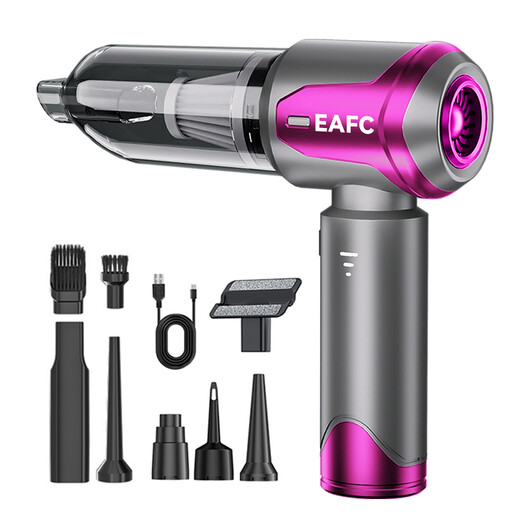
Why it suits this user: Compact for regular cleaning of the car, home or office interior, with no mains cable to get in the way during use.
The product description lists a washable HEPA filter and several accessories. This makes maintenance clearer than with an appliance that has only a sealed dust container.
According to the product information: stated suction power of 16,000 Pa, USB-C charging, three speeds, and vacuuming and blowing functions.
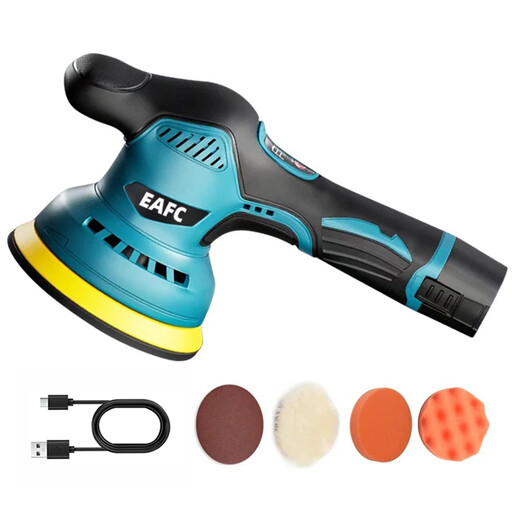
Why it suits this user: A good choice if you want to do more than wash your car, with regular waxing and controlled touch-ups to the paintwork.
The eight adjustable speeds give you more control than a single fixed speed. Even so, use the machine with light pressure and test it on an inconspicuous area first.
According to the product specifications: 125mm pad, orbital action, eight speeds from 2800 to 5500 RPM and a 12V lithium battery.
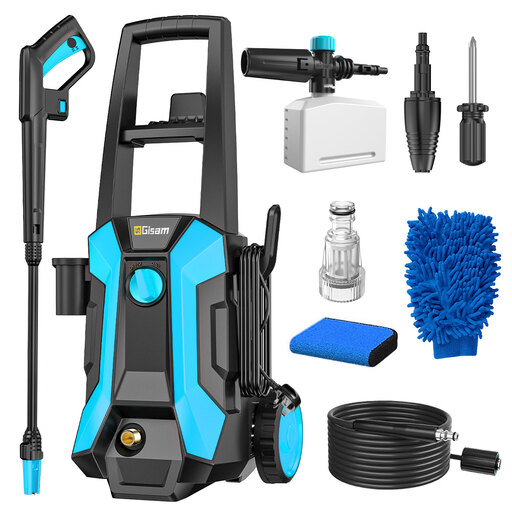
Why it suits this user: Suits users who want to clean several vehicles, patios or garden surfaces with one electric machine.
The set includes a foam nozzle, a rotary nozzle and a hose reel. This helps you avoid having to buy basic components separately later.
According to the stated specifications: 2200W, 180 bar, 480 l/h and an eight-metre hose. When cleaning car paintwork, use an appropriate distance and low pressure.
We’ve put together a complete, up-to-date list of products that meet these strict selection criteria and the applicable European safety regulations.
A practical order for car maintenance is:
Start with a bucket, car shampoo, a soft car-washing mitt, microfibre cloths, an interior brush and a compact vacuum cleaner. Add a wheel brush and car window squeegee if you clean your car thoroughly on a regular basis. A polishing machine is only worthwhile once you’ve mastered the basics of washing, drying and masking.
Rinse the car and accessories thoroughly first. Work from top to bottom, use separate materials for the wheels and paintwork, and rinse out the car-washing mitt regularly. Don’t dry the car with a dirty cloth, and never use a brush with visible grains of sand on it.
The cost depends on how much you want to buy to start with. A basic set with a sponge, mitt, cloth and brush is relatively affordable. Cordless tools, a polishing machine or a pressure washer will increase your initial outlay, but can save time if you use them regularly. So compare more than just the purchase price: check the included accessories, filter maintenance, batteries and replaceable parts too.
