
Livraison le jour même et le lendemain

Qualité garantie

Débloquez vos offres de bienvenue: Livraison GRATUITE | Jusqu'à -80 % | 30 jours d'essai gratuits à JoyPlus
Téléchargez l'application
A clean car does not start with the most expensive machine, but with the right combination of materials. Anyone searching for car detailing products will quickly encounter terms such as “professional finish”, “scratch-free” and “maximum cleaning power”. These descriptions only mean something when you also consider the specific features and conditions of use.
This buying guide helps you with car washing, car polishing, wheel cleaning and regular car maintenance. You will discover which features really matter and which products suit your way of working.
A car pressure washer can loosen dirt quickly, but an excessively powerful jet or an overly narrow nozzle can place unnecessary strain on paintwork, rubber seals and delicate trim. Always check whether the pressure and spray pattern can be adjusted. Maintain a sufficient distance and avoid directing the jet at seams, sensors or damaged paintwork for extended periods.
A car wash brush or microfibre wash mitt may be described as gentle, but sand and hard particles still pose a risk. Never use a brush dry on a dirty surface. Rinse the car thoroughly first, and clean the wash mitt or brush regularly while washing.
A cordless polishing machine can help with waxing, polishing and evening out light oxidation. Deep scratches, stone-chip damage and paint that is already flaking will not simply disappear. A high speed is not always better either: control, the right pad and limited pressure are more important than the maximum rpm alone.
For a car polishing machine, three features are particularly relevant:
According to the product information, the EAFC 12 V Cordless Polisher/Waxer/Sander offers eight speeds from 2,800–5,500 rpm, an eccentric orbit of 0.9 cm and a disc diameter of 12.5 cm. The manufacturer describes the machine as suitable for tasks including waxing, polishing and rust removal. Treat this as a product specification, not a guarantee of a particular result.
A good car wash brush should be able to pick up dirt without dragging hard particles across the surface. A microfibre wash mitt is convenient for larger panels, while a detailing brush is better suited to air vents, badges and narrow gaps.
Look for:
The cleaning products supplied or recommended are just as important. Use a product that is suitable for the relevant surface, and avoid aggressive chemicals on unfamiliar materials.
The Kärcher K3 lists a power rating of 1,600 W, a maximum pressure of 120 bar, a water flow rate of 380 l/h and a 6-metre hose. The product page also specifies an adjustable pressure setting and an integrated detergent tank.
These figures provide a useful indication, but they do not mean that every setting is suitable for car paintwork. Start with a wide spray pattern, low power and a generous working distance. Also check that your outdoor tap, drainage and power supply are suitable for the task.
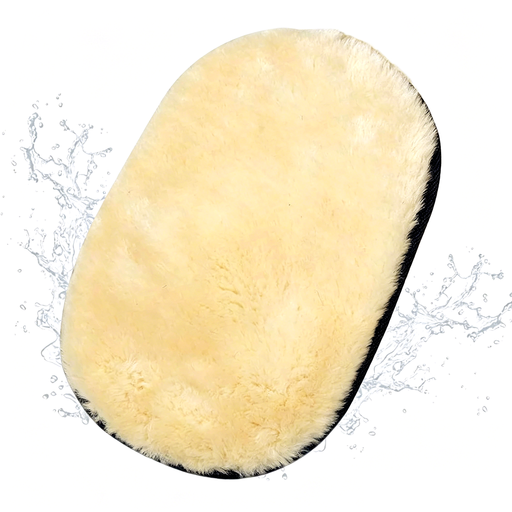
Why This Fits Their Persona: An accessible choice for anyone who wants to wash their car regularly at home without investing in machines straight away.
The instructions state that the mitt must first be fully saturated with cleaning solution and must not be used dry on paintwork or glass.
Measures 23 × 15.5 × 2 cm; made from polyester and nylon; washable and reusable according to the product information.
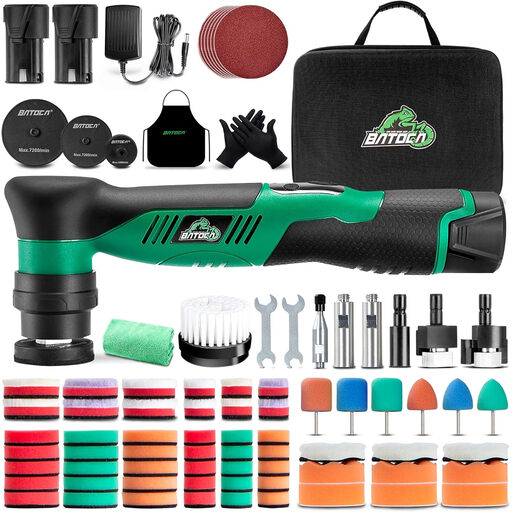
Why This Fits Their Persona: Ideal for detailing headlights, badges, wheel edges and other small areas where a compact machine offers a clear advantage.
The machine offers three movement options and six speed settings, so you are not restricted to a single fixed setting across different surfaces.
Backing plates of 25, 50 and 75 mm; two 12 V, 2.0 Ah batteries; speed range of 2,000–5,500 rpm.
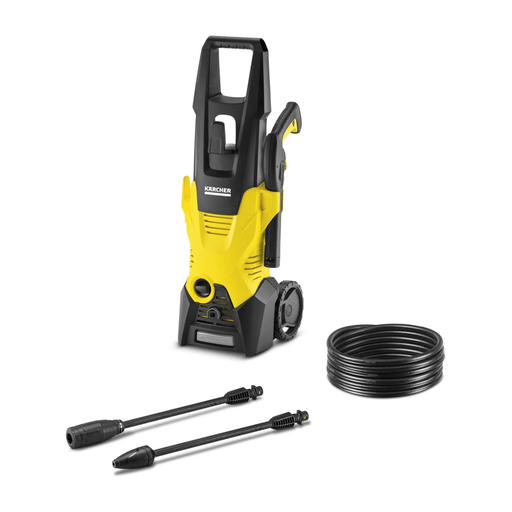
Why This Fits Their Persona: A practical option for car owners who also want to clean bicycles, garden furniture or patios.
The adjustable pressure and Quick Connect system make the machine more adaptable than a cleaner designed for just one fixed application.
1,600 W motor; 120 bar maximum pressure; 380 l/h water flow rate; 6-metre high-pressure hose according to the product listing.
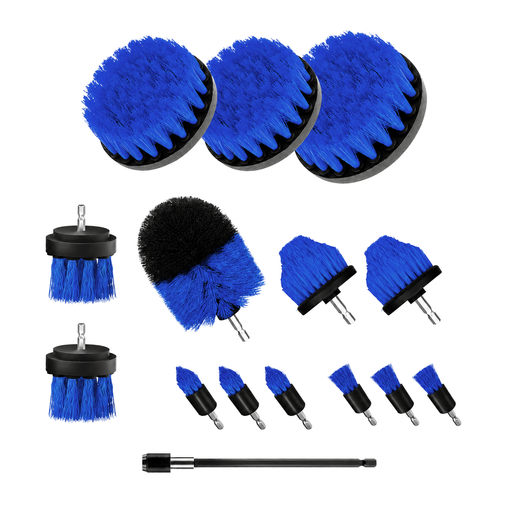
Why This Fits Their Persona: Suitable for DIY enthusiasts with a compatible cordless drill who want to tackle wheels, interiors and hard-to-reach corners thoroughly.
The set contains bristles with different levels of stiffness. The instructions warn against using the harder variants on paintwork or soft leather.
15-piece set; seven nylon brushes; standard hex shank; extension for hard-to-reach areas.
Explore a current selection of car-washing products and accessories based on practical specifications, material choice and intended use.
For a complete approach, you can combine several car cleaning accessories:
Always work from clean areas towards dirtier ones: start with the roof and upper panels, then move on to the lower sections and wheels. Use separate cloths for paintwork, glass and wheels to minimise cross-contamination with brake dust or sand.
Start with a microfibre wash mitt, pH-neutral car shampoo, several clean drying towels and a detailing brush. Add a car polishing machine or pressure washer later, once you carry out regular maintenance and are familiar with the correct techniques.
Rinse both the car and the cleaning tool thoroughly beforehand. Use plenty of water and shampoo, apply minimal pressure and check the mitt regularly for sand. Do not use a brush or cloth that has fallen on the ground until it has been thoroughly cleaned.
This depends on the material, frequency of use and storage conditions. Rinse brushes and wash mitts after use, allow them to dry completely and store them in a dust-free place. Replace an accessory as soon as fibres become flattened, bristles harden or dirt particles remain that could damage the surface.
