
Vandaag of morgen in huis

Kwaliteit gegarandeerd

Welkomstaanbiedingen ontgrendelen: GRATIS bezorging | Tot 80% korting | Gratis 30 dagen JoyPlus-proefperiode
Download de app
A clean car does not start with buying as many products as possible. If you purchase car detailing products without a plan, you can quickly end up with a device that lacks power, accessories that do not fit or a brush that may cause scratches. The right choice depends on the surface, how often you use it and the power supply available.
This guide helps UK car owners, car enthusiasts and professional valeters make informed choices for car cleaning, cleaning your car interior, polishing and maintenance.
Power, speed and suction are often displayed prominently on the packaging. A higher number does not automatically mean that a device will work better in every situation. With a car vacuum cleaner, the shape of the nozzle, filter quality, battery life and dust container capacity are also important.
A compact cordless car vacuum with limited running time may be suitable for crumbs and sand, but less practical for a complete van or several vehicles one after another.
Leather, plastic, glass, paintwork and alloy wheels each require a different approach. A hard brush suitable for tiles or robust plastic could damage soft upholstery or paintwork. Therefore, always check the bristle hardness and test it first on an inconspicuous area.
A car steam cleaner or pressure washer can be useful, but not every surface or component can withstand water and heat. Do not direct a jet at electrical connections, seals or sensitive controls. With a cordless device, it should also be clear how the battery is charged and stored.
With a cordless car vacuum, suction power is often shown in Pa. The EAFC models in this selection specify 16,000 Pa and a brushless motor. This is a verifiable product specification, but practical performance also depends on the accessory being used and how full the filter is.
Look out for:
A USB-C connection is convenient in the car, at the office or when travelling with a power bank. A 12V model with a cable is better suited to longer jobs when you do not want to wait for the device’s battery to recharge.
Therefore, compare:
With a car polishing machine or car polisher, adjustable speeds and the size of the backing plate are important. A smaller pad works more precisely around mirrors, alloy wheels and bumpers. A larger pad can be more efficient on broad panels, but requires greater control.
When using car cleaning brushes, always choose the correct hardness. Nylon is not automatically safe for every surface. According to the Oxerbog set’s product description, soft brushes are intended for delicate surfaces, while harder versions are better suited to robust materials. Testing on an inconspicuous area is still advisable.
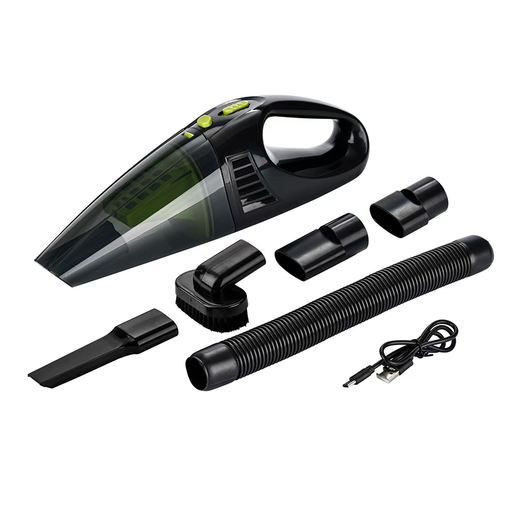
Why it suits this profile: This compact model is designed for quick cleaning jobs in the car, such as removing crumbs, dust from mats and dirt between seats.
The product specifications state a running time of approximately 14–16 minutes. This makes it clear that it is primarily a model for quick jobs, rather than extended detailing sessions.
Stated suction power of 3500–4000 Pa, HEPA filter, 0.4-litre dust container and cordless operation.
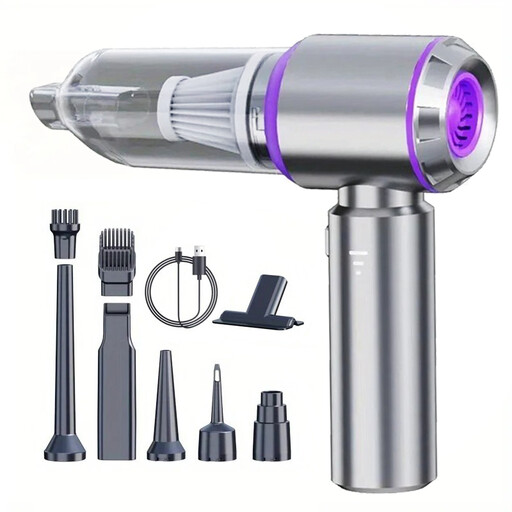
Why it suits this profile: Ideal if you want one compact device for use in the car, around the home, with electronics and on storage bags.
The functions are clearly described: vacuuming, blowing, inflating and removing air from bags. This allows you to decide whether you genuinely need these functions.
Stated suction power of 16,000 Pa, 6000mAh battery, USB-C connection and multiple nozzles.
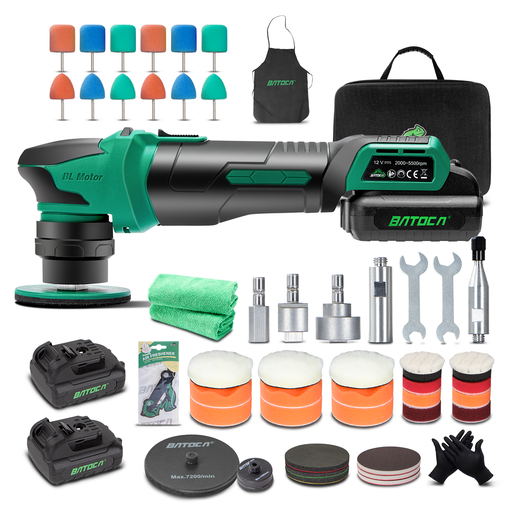
Why it suits this profile: Designed for detailed work around mirrors, bumpers, alloy wheels and other small areas where a large car polisher is less practical.
The combination of rotary and eccentric movements, together with four speed settings, provides more control than a single fixed setting. Always use suitable pads and light pressure.
Four speeds from 2000 to 5500 rpm, 25 mm and 75 mm backing plates, and two 12V batteries according to the product specification.
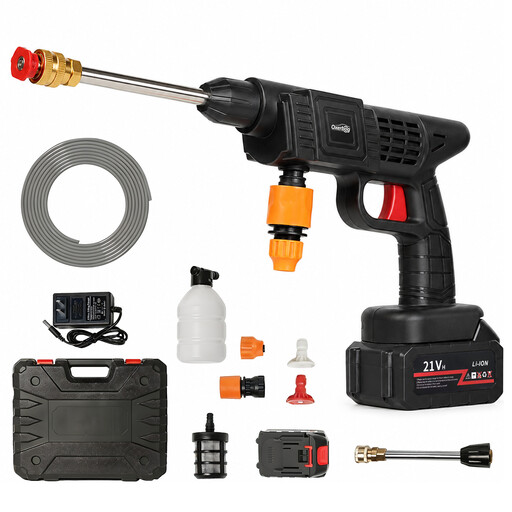
Why it suits this profile: Suitable for users who want to clean outside the car, such as on a drive or at a campsite, using water without a fixed power connection.
The stated running time is approximately 15 minutes. This makes the limitation clear: plan short washing sessions and check the battery and water supply beforehand.
21V connection, 5-metre hose, included foam bottle and various nozzles according to the product information.
We have put together a complete, up-to-date list of products that fully meet these strict selection criteria and the applicable European safety regulations.
Work from top to bottom and start with dry dirt. First use a car compressed-air blower or soft detailing brush for air vents, gaps and buttons. Then vacuum up the loosened dirt. For stains on seats or carpets, a spot cleaner with separate clean- and dirty-water tanks may be more convenient than steam alone.
For exterior work:
According to brands’ own information, devices may combine certain functions, such as blowing, vacuuming or inflating. Treat such claims as product information and check that the included accessories are suitable for your intended use.
For quick cleaning jobs, a compact cordless model with a removable container and crevice nozzle is sufficient. Pay particular attention to the stated running time. For several cars in succession, a 12V model with a long cable or a device with a replaceable battery is more practical.
No. First check the device instructions and the upholstery material. Test steam on an inconspicuous area and avoid prolonged exposure to heat or moisture. Electronics, leather and glued components require extra care.
Empty the dust container after use and clean the filters according to the product manual. Rinse the brushes and allow them to dry completely. With a cordless pressure washer, drain any remaining water, especially in freezing conditions. Proper maintenance helps keep the device performing well and extends its service life.
