
Vandaag of morgen in huis

Kwaliteit gegarandeerd

Welkomstaanbiedingen ontgrendelen: GRATIS bezorging | Tot 80% korting | Gratis 30 dagen JoyPlus-proefperiode
Download de app
If you look after your car yourself, it’s easy to pay too much for accessories that sound impressive in the product description. A compact car polisher may seem handy, but it isn’t always suitable for large surfaces. A brush set may include lots of different attachments, but the bristles could be too stiff for paintwork or leather. And a boot organiser without a sturdy base can slide around every time you take a corner.
This guide helps you compare car detailing accessories by how you’ll use them, their size, materials and care requirements. That way, you can make a more informed choice between a car cleaning kit, car polishing pads, a windscreen repair kit and practical storage products.
A set with several brushes or pads may seem like good value, but check that the accessories are suitable for the job. You’ll often need different levels of stiffness for the interior, wheels and plastic trim. A stiff brush on soft leather upholstery or car paintwork can leave visible marks.
A mini car polisher is especially useful for headlights, badges, wheel rims and other small areas. On a full bonnet or roof, a small polishing disc may actually mean more work. So check the backing plate diameter, speed and available polishing modes.
A cordless polisher may offer a certain running time or speed according to its product description, but actual performance depends on pressure, material, temperature and battery charge. A windscreen repair kit also has limits on the size and position of the damage it can treat. Always check the instructions. If damage affects your visibility or safety, don’t use a repair kit as a reason to skip a professional assessment.
For car cleaning brushes, the stiffness of the nylon bristles matters more than simply counting the attachments included. Softer bristles are a better choice for delicate surfaces, while medium or stiff options are more suitable for wheels, hard-wearing plastic or heavily soiled parts. Test on an inconspicuous area first and use plenty of cleaning product. Scrubbing dry increases the risk of heat and scratches.
If you’re using drill cleaning brushes, check:
Wear safety glasses when using rotating brushes, and keep loose clothing and long hair away from them.
When choosing a car polisher, three features are particularly useful to consider:
Also check the size of the backing plate. Small plates of 25, 50 or 75 mm are suitable for detail work, while larger surfaces need a different machine and pad.
A car boot organiser needs to be more than just spacious. Check its dimensions against your boot, whether it has dividers, a sturdy base and fastening straps. A foldable model takes up less space when you’re not using it, but it should still be stable when unfolded.
Position an organiser so it doesn’t obstruct your view, reflective markings or access to essential safety equipment. Don’t store sharp, flammable or leaking items in a fabric storage box.
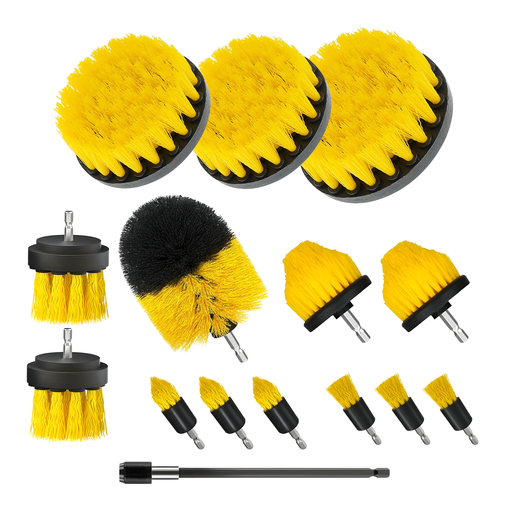
Why it suits this type of user: With seven sizes and a hex shank, this set is a practical choice if you want to clean different areas using a single drill.
The range of sizes makes it easier to avoid using one brush that’s too stiff or too large for every job. Check the brush stiffness for each surface.
Seven nylon brush heads, an extension rod, and PP plus stainless steel, according to the product description.
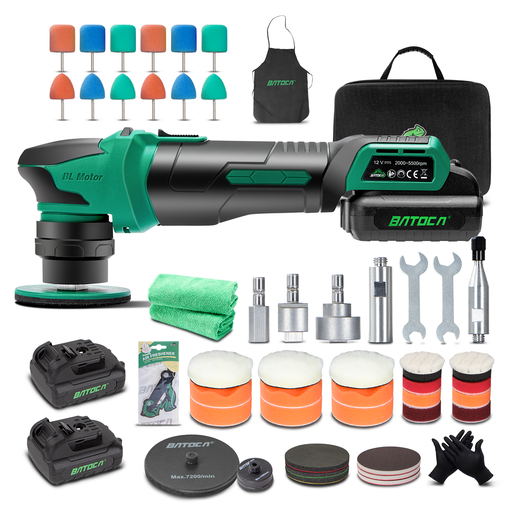
Why it suits this type of user: A good choice if you regularly carry out detail work around mirrors, bumpers, wheels and badges.
Four speed settings, two polishing modes and small backing plates offer more control than a single fixed setting and one large size.
According to the product description: rotary and random orbital modes, two 12 V 2.5 Ah batteries and a brushless motor.
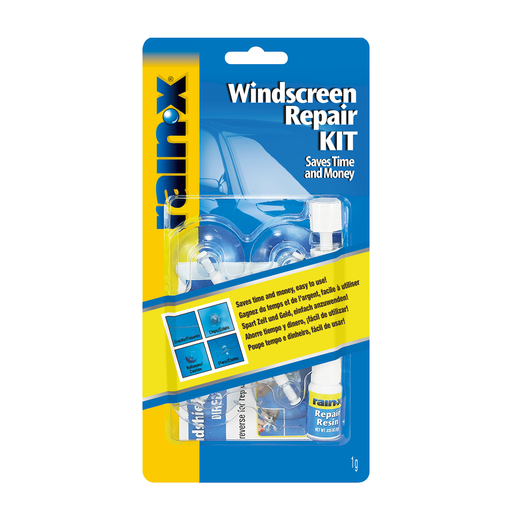
Why it suits this type of user: Useful if you want to try treating a small stone chip or limited damage to laminated car glass yourself, following the instructions.
The product description gives specific limits: chips up to 2,5 cm and cracks up to 30 cm. Always check that the damage falls within these limits.
Includes resin, an applicator base, a resin chamber and curing strips; according to the product description, it’s suitable for laminated windscreens.
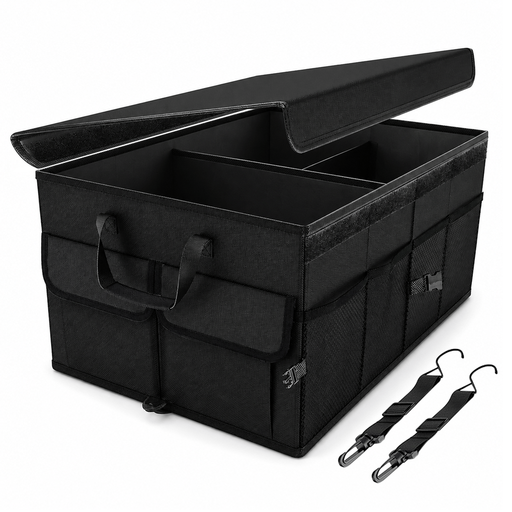
Why it suits this type of user: A practical option for shopping, cleaning products and emergency supplies that would otherwise be left loose in the boot.
The organiser has three compartments, dividers and adjustable fastening straps. So it’s more than just an open box that can slide around while you’re driving.
A 60-litre capacity, dimensions of 50,8 × 36,8 × 32 cm and foldable 600D Oxford material, according to the product information.
We’ve put together a complete, up-to-date list of products that meet these strict selection criteria and the applicable European safety regulations.
Start with microfibre cloths, a suitable cleaner, soft car cleaning brushes, a bucket and, if needed, a storage box. Only add a car polisher or car polishing pads once you know what kind of paint correction or finish you want to achieve.
That depends on the backing plate, battery life and the pace you want to work at. Mini models are mainly designed for edges and small surfaces. A larger machine may be more practical for a whole car. Always use suitable pads and follow the maximum speed stated in the instructions.
Their lifespan depends on how dirty they get, the cleaning products you use, how they’re stored and how much pressure you apply. Rinse brushes after use, let them dry completely and replace them if the bristles are misshapen, split or coming loose. Store fabric organisers somewhere dry, away from prolonged heat and direct sunlight.
