
Vandaag of morgen in huis

Kwaliteit gegarandeerd

Welkomstaanbiedingen ontgrendelen: GRATIS bezorging | Tot 80% korting | Gratis 30 dagen JoyPlus-proefperiode
Download de app
A clean car doesn't start with having the most accessories, but with having the right tools for the job. If you simply buy a comprehensive car cleaning kit without doing your research, you might end up with mismatched parts, compatibility issues, or even damaged surfaces. With the right car detailing tools, you can effectively maintain your car's interior, wheels, windows, and paintwork.
A high wattage, RPM, or pressure rating (bar) might sound impressive, but it doesn't indicate how easy the device is to use. For instance, a powerful jet of water can remove dirt, but at close range, it can also damage paintwork, rubber seals, or trim. That's why you should check not only the power but also the included nozzles, hose length, adjustment options, and user manual.
A drill cleaning brush with a hex shank is typically designed for a drill chuck or an electric screwdriver. However, this doesn't automatically mean it's suitable for every drill. Check the connection type, the maximum speed, and whether your power tool can handle wet conditions. The same applies to car polishing pads: pay attention to the diameter and the type of attachment, such as a hook-and-loop fastening.
A car wash brush, microfibre pad, or chenille head might be suitable for paintwork, but sand and loose dirt can still cause scratches. Always rinse your car and the tool first. Only use stiff bristles on suitable, hard-wearing surfaces. According to the product description for the Oxerbog brushes, the brush heads vary in stiffness; the harder versions are not intended for delicate paintwork or soft leather.
For carpets, upholstery, and liquid spills, a wet and dry vacuum is more practical than a regular vacuum cleaner. Pay attention to:
According to the product information, the Vacmaster comes with a foam filter, dust bag, crevice tool, floor nozzle, and power tool adapter, among other accessories. Only use the wash function with suitable cleaning agents and follow the maintenance instructions.
When it comes to drill cleaning brushes, the bristle stiffness, shape, and shank are more important than just the number of brushes in a set. Round brushes work well on wheels and larger areas, while narrow heads can reach into seams and crevices. Apply light pressure and avoid prolonged friction in one spot to limit heat build-up and wear.
Also, check that the brush head is securely attached before starting the drill. Wear safety glasses to protect against flying debris, and keep loose clothing and long hair away from rotating parts.
A car polisher requires the right combination of speed, motion, and pad. For many DIY enthusiasts, a dual-action polisher is more manageable than a rotary system because its movement builds up heat less quickly. Nevertheless, you still need to work carefully, especially around edges and on thin paintwork.
Check the:
According to the product description, the 100 mm faux wool polishing pad is washable and suitable for use on paintwork, headlights, wood, plastic, and metal, among other surfaces. Only use it with a compatible backing plate and always test it on an inconspicuous area first.
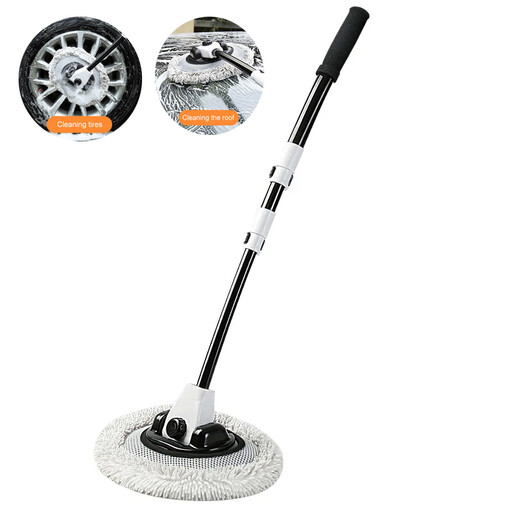
Why it’s a good fit: For manual washing without a complicated machine, this brush offers a telescopic handle, an adjustable head, and a chenille attachment for cleaning different parts of the car.
The product description mentions a detachable head and adjustable length. This allows you to rinse and dry the brush after use, rather than storing a fixed head that is difficult to maintain.
15° angled handle, 90° adjustable brush head, and a three-part telescopic handle.
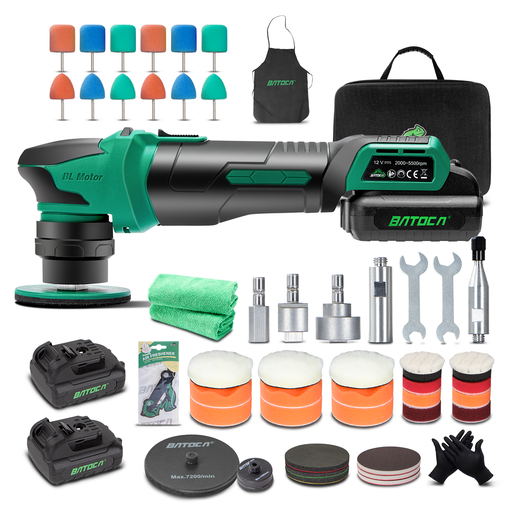
Why it’s a good fit: Ideal for those who regularly need to touch up small areas, emblems, mirrors, wheels, or bumpers and require multiple polishing motions.
The specifications list both rotary and dual-action modes. This gives you more choice than a single fixed motion, although it's still essential to adjust the speed and pressure to suit the surface.
25 mm and 75 mm backing plates, four speeds, and two 12 V 2.5 Ah batteries, according to the product listing.
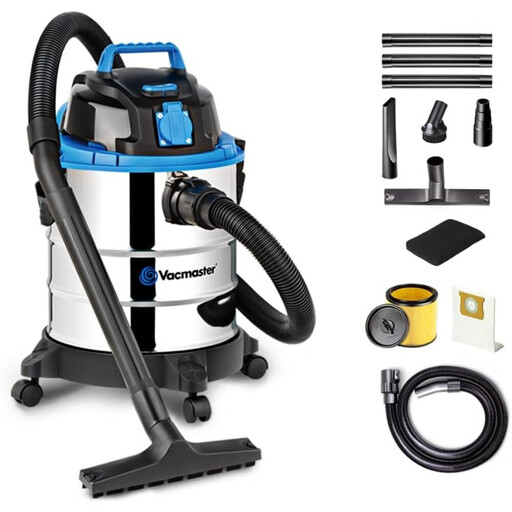
Why it’s a good fit: For garages, motorhomes, intensive interior maintenance, and users who want a single appliance for dry vacuuming, liquids, and blowing.
The features and accessories are listed separately: 1250 W, 18 kPa, 20 litres, wash function, and blower function. This allows you to assess whether you will actually use these features.
Stainless steel tank, 20-litre capacity, and a power tool adapter, according to the product information.
A cordless pressure washer is useful when you don't have an outdoor tap or power socket nearby. Models with a five-metre hose can draw water from a bucket. Just be sure to check the battery life and rinse any soap residue out of the system after use.
For dust in air vents, crevices, and around buttons, a car air duster can work faster than a cloth. It's best to blow the dirt outwards and wear eye protection. For fogged-up or wet mirrors, a side mirror squeegee is practical; according to the product information, an extendable model up to 98 cm long will fit in many of the car's storage compartments.
We've put together a complete, up-to-date list of products that fully meet these strict selection criteria and comply with current European safety regulations.
Start with a good car wash brush, two buckets, suitable cloths, and a vacuum cleaner for dry dirt. You can then add a wet and dry vacuum or drill cleaning brushes once you start regularly cleaning upholstery, wheels, or hard-to-reach areas.
That depends on the water pressure, nozzle, and your distance from the paintwork. Use a wide spray pattern, keep a safe distance, and avoid spraying damaged paint, rubber seals, and loose parts. Always check the manual for your specific model.
The lifespan depends on its usage, the cleaning products you use, and how you maintain it. Rinse the pad after each use according to the product instructions, let it dry completely, and replace it when the material becomes misshapen, torn, or heavily soiled. This prevents old residue from being spread back onto the paintwork.
