
Vandaag of morgen in huis

Kwaliteit gegarandeerd

Welkomstaanbiedingen ontgrendelen: GRATIS bezorging | Tot 80% korting | Gratis 30 dagen JoyPlus-proefperiode
Download de app
A clean car is a better drive. But the search for the right car cleaning supplies can feel like navigating a maze of marketing promises. Many products seem useful but turn out to be unnecessary or low-quality in practice. Before you invest in an arsenal of sprays and cloths, it's wise to know what to look for. This will help you avoid wasteful purchases and get your car truly clean, inside and out.
Many car owners fall into the same traps. By recognizing them, you can immediately save money and frustration.
cockpit spray or all-purpose interior cleaner is often sufficient for most plastic and vinyl surfaces.car vacuum that plugs into your 12V socket seems ideal. Unfortunately, many budget models lack the suction power to remove more than surface-level dust. Sand, crumbs, and hair embedded deep in the carpet are simply left behind.To make the right choices, it helps to focus on a few concrete specifications. This will help you distinguish marketing hype from actual performance.
For a car vacuum or upholstery spot cleaner, suction power is the most important factor. Look beyond the power rating in Watts (W). Suction power is often expressed in Pascals (Pa). A higher Pa number generally means the device is better at pulling deep-seated dirt from upholstery and carpets. For a thorough clean, a model with a rating of several thousand Pa is recommended.
For car washing and car polishing, the material of your cloths and wash mitts is crucial to prevent scratches.
Check the ingredients of liquid cleaners like cockpit spray or an upholstery spot cleaner. Products with harsh chemicals or solvents can dry out plastics and rubber, leading to discoloration or cracking. Whenever possible, opt for pH-neutral formulas, especially for delicate surfaces like leather or Alcantara.
Not everyone has the same needs. Below are several products matched to different user profiles.
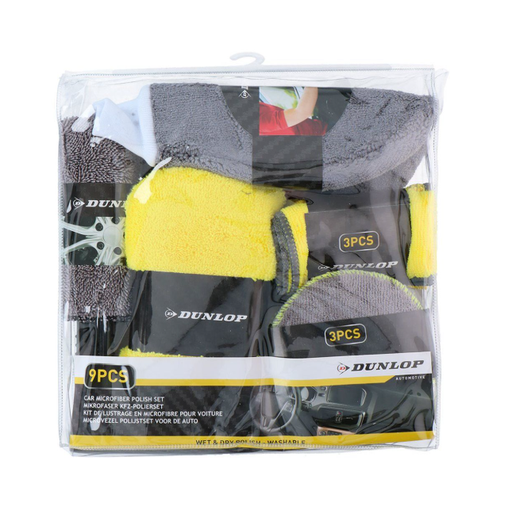
Why This Fits Their Persona: Ideal for those just starting with DIY car cleaning and looking for a basic kit without a large initial investment. This set provides the essentials to get started.
This kit avoids the "incomplete set" pitfall by offering an honest baseline. It's not a professional kit, but a starting point, ensuring you don't pay for unnecessary extras.
A 9-piece set that covers the most common cleaning tasks. Made from durable plastic for a long lifespan with normal use.
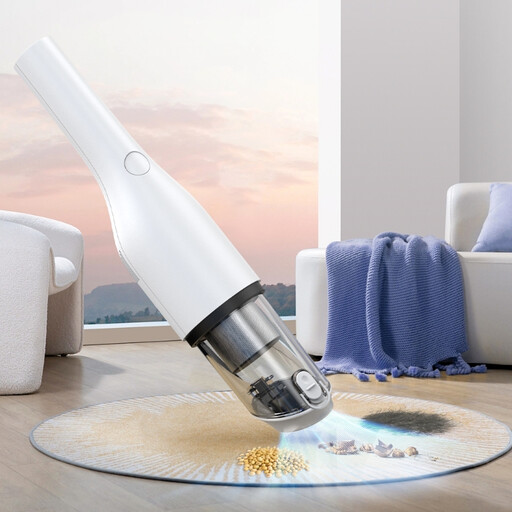
Why This Fits Their Persona: For the car owner who loves to keep their interior crumb-free and dust-free. This compact device is specially designed for in-car use and is easy to store.
This model tackles the "weak car vacuum" pitfall. It's designed for automotive use with a focus on adequate suction for dust and crumbs, and it comes with useful attachments.
Compact and lightweight, making it easy to use and store. Includes multiple attachments for seats, carpets, and hard-to-reach areas.

Why This Fits Their Persona: Perfect for families with kids, pet owners, or anyone who regularly deals with stubborn stains from spilled drinks or food on their car upholstery.
This device goes beyond a simple spray. It avoids the "overpriced specialty cleaner" pitfall by providing a powerful, deep-cleaning solution that actually removes stains instead of just masking them.
Delivers a powerful suction of 18,000 Pa, according to the manufacturer, to quickly remove stains and moisture. The steam function can help kill bacteria and dust mites.
We have compiled a complete, up-to-date list of products that meet these selection criteria and comply with current safety regulations.
This depends on your usage and where you live. As a general guideline, once every two to four weeks is sufficient to keep the paintwork in good condition. In the winter, when there's salt on the roads, it's wise to wash your car more frequently, especially the undercarriage, to prevent rust formation.
Yes, you can, but it's often inconvenient. Home vacuums are bulky, and their hoses are often not flexible enough to reach all the corners of a car interior. A dedicated car vacuum is more compact, lighter, and comes with attachments specifically designed for the tight spaces in a vehicle.
These two are often confused. Polish is a mildly abrasive compound used to remove minor scratches, swirl marks, and oxidation from the paint. It restores the shine. Wax is a protective layer that you apply after polishing. It shields the paint from the elements, UV radiation, and dirt, while providing a deep gloss and a water-beading effect.
