
Vandaag of morgen in huis

Kwaliteit gegarandeerd

Welkomstaanbiedingen ontgrendelen: GRATIS bezorging | Tot 80% korting | Gratis 30 dagen JoyPlus-proefperiode
Download de app
Cleaning a car seems simple, until streaks, sand scratches or stubborn insect residue are left on the paintwork. The right car cleaning sponge can make all the difference, but only if the material, size and intended use are a good match. A large sponge is handy for the roof and doors, while an insect sponge or microfibre wash mitt may be better suited to specific surfaces.
As a Joybuy Product Recommendation Officer, I filter product information for practical features. Below, you’ll find out what to look for, which marketing claims to treat with a degree of caution, and which type of car sponge is right for you.
A sponge may feel soft but still hold on to dirt. Sand and loose debris can cause small scratches as you rub the paintwork. So rinse the sponge regularly, and never use a dry sponge on car paint or glass.
If you’re using a microfibre wash mitt, make sure it’s completely wet before use. The product instructions for the wash mitt advise rinsing sharp particles and sand out of the material promptly.
A jumbo car sponge works efficiently on large, smooth areas. For wheels, the grille, mirrors and crevices, a smaller tool is often easier to control. So check not just the colour or shape, but also the length, width and thickness.
A sponge around 22 cm long is suitable for wide body panels, while an 11 × 7 cm insect sponge can be used more precisely on lights and the grille.
A car cleaning sponge for paintwork isn’t automatically suitable for polishing. Washing, drying, degreasing and polishing all call for different materials and techniques. Use a car polishing sponge with a suitable machine or drill, not as an ordinary washing sponge.
A household cloth for glass and smooth surfaces also has a different purpose from a car wash sponge. Use each tool for the purpose stated in its product description.
Polyester, nylon, microfibre and EVA are common materials for everyday washing. The product details explain how an accessory is intended to be used:
Also check the care instructions. Rinsing the sponge, letting it air-dry and replacing it promptly when worn can help prevent dirt from being spread over the surface again.
A large sponge saves time on doors, the bonnet and the roof. A smaller sponge gives you more control around logos, edges and wheels. A wash mitt can be handy if you want to wear the sponge securely on your hand.
Also look for an anti-slip texture, hand strap or hanging loop. These details are useful when your hands are wet and when you’re drying the sponge after use.
For a regular wash, use a car sponge or wash mitt with car shampoo. For drying, an absorbent cloth such as the Cleany perforated chamois 35 × 40 cm may be suitable for cars, windows, glass and other smooth surfaces. The product description says the cloth is designed to absorb moisture and work without lint or streaks; rinse it thoroughly in warm water before first use.
For paint correction, polishing pads in different grades are a better choice. A hard pad is generally used for heavier correction, while a soft pad is for finishing. Always follow the speed and usage limitations specified for the polishing machine.
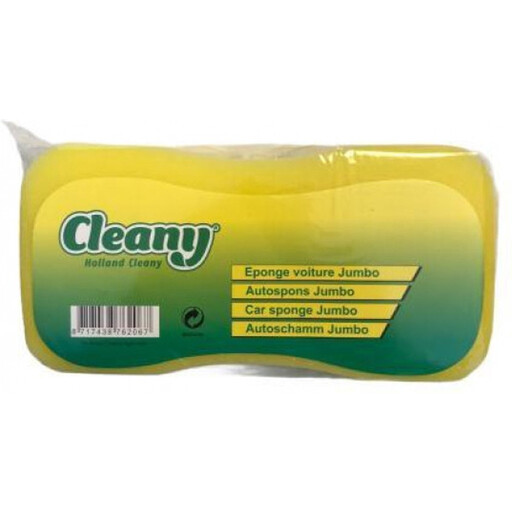
Why it suits this profile: Its extra-large size is practical for a first car wash, covering wide body panels without having to buy several accessories straight away.
The dimensions are clearly stated: 22.5 × 11.5 × 6 cm. This makes it easier to judge in advance whether the sponge will suit your hands and storage space.
Extra-large size; described as suitable for gentle car cleaning.
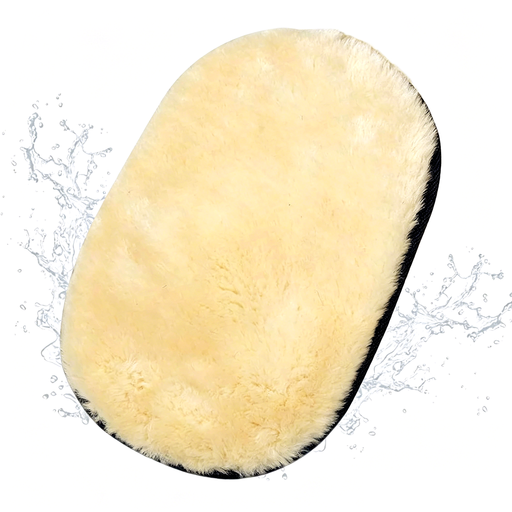
Why it suits this profile: The mitt shape gives you control when washing paintwork, mirrors, glass and wheels, particularly if you regularly take care with the details.
The instructions warn against using it dry on paintwork and glass. This means you need to use the mitt wet and rinse sand out of it regularly.
Measures 23 × 15.5 × 2 cm; washable and reusable according to the product information.
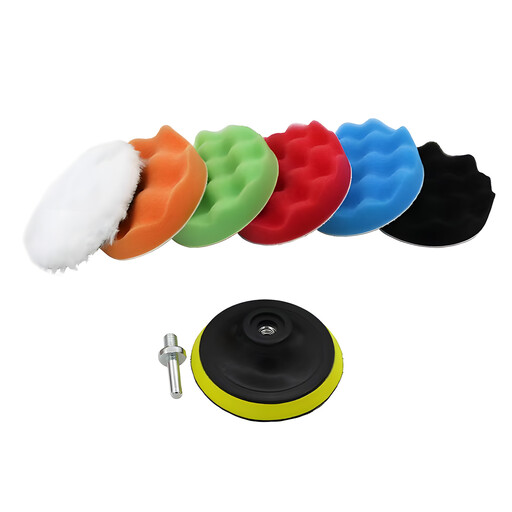
Why it suits this profile: If you detail your car regularly, you’ll have several types of pad and an adapter for compatible machines or drills.
The set includes pads with different levels of firmness. Use them for their intended purpose, and check beforehand that the machine is suitable and that you do not exceed its maximum speed.
Set of 8 pieces; hook-and-loop design for changing pads; suitable for compatible polishing machines.
We’ve put together a full, up-to-date list of products that meet these strict selection criteria and the applicable European safety regulations.
An insect sponge for cars is designed for localised residue on areas such as the grille, lights and number plate. The EDCO Car Cleaning Sponge measures 11 × 7 cm and is made of viscose according to the product description. Use plenty of water, rinse the sponge and avoid rubbing hard on dry dirt.
Rinse the sponge thoroughly with clean water straight after use. Remove sand and dirt from its texture, then leave it to air-dry. Don’t use an aggressive or highly corrosive cleaner unless the product instructions allow it. Replace the sponge if the material is damaged, hard or still visibly dirty.
Only if you want to polish the paintwork. For normal washing, a suitable car cleaning sponge or wash mitt is enough. Use polishing pads with a car polisher or compatible drill. Choose the firmness according to the task, and test on an inconspicuous area first.
