
Vandaag of morgen in huis

Kwaliteit gegarandeerd

Welkomstaanbiedingen ontgrendelen: GRATIS bezorging | Tot 80% korting | Gratis 30 dagen JoyPlus-proefperiode
Download de app
A car cleaning sponge may seem like a simple product, but choosing the wrong one can mean extra work. A sponge that holds on to dirt, is too small or doesn’t dry properly after use may be less practical than the product page suggests. A car wash mitt or polishing sponge also needs to be used correctly.
Look out for these common pitfalls:
Check that the material is clearly stated. Many car cleaning accessories are made from sponge material, microfibre, viscose or EVA. These materials have different properties.
Delicate, glossy paintwork calls for a clean, soft accessory and plenty of water. Don’t use a dry car polishing sponge on dusty or sandy surfaces.
A sponge around 22 cm long is suitable for large body panels, but may be less handy around mirrors, wheels and door pillars. According to the product information, the Cleany Car Sponge Jumbo measures approximately 22.5 x 11.5 x 6 cm. Its generous size can make washing large panels easier to manage.
A smaller model is more practical for precision work. As well as the dimensions, look for:
Rinse your car wash sponge thoroughly with clean water after every wash. Don’t rub it dry over the paintwork, and don’t store it in a sealed container while it’s still damp. With a wash mitt, it’s important to rinse out sand and hard particles regularly.
Polishing calls for a different approach. Use a car polishing sponge or polishing pad set with a suitable machine or drill adapter. Hard pads are generally designed for more intensive cutting or correction work, while softer pads are used for finishing. Always follow the product instructions and check the maximum speed.
A car polisher also calls for appropriate safety precautions: check the manual, use a suitable pad and practise first on an inconspicuous area.
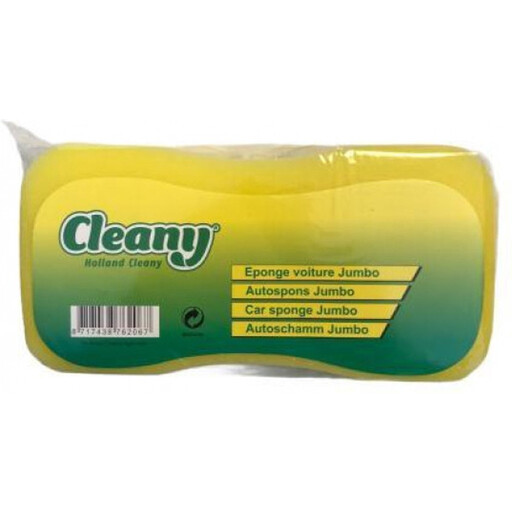
Why it suits this user: Its large size is practical if you wash your car by hand at home and want one simple car cleaning sponge for broad body panels.
The dimensions are clearly stated, so you can check in advance whether the sponge will suit your hand and wash bucket.
Extra-large size; the product information states that it’s suitable for gently cleaning your car.
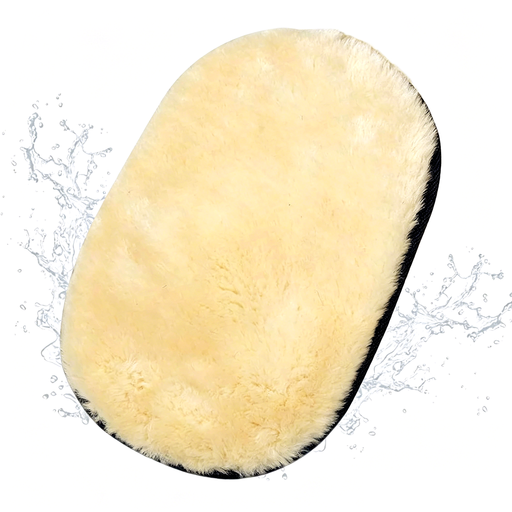
Why it suits this user: The mitt shape gives you extra control when cleaning paintwork, glass, mirrors and wheels, especially during longer washes.
The instructions advise you to wet the material thoroughly before use and rinse out dirt regularly.
Microfibre-like polyester and nylon material; measures 23 x 15.5 x 2 cm; washable and reusable according to the product information.
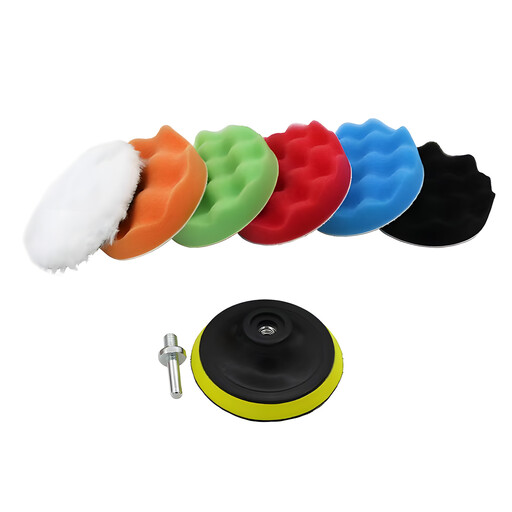
Why it suits this user: This set is designed for anyone who wants to polish paintwork, metal, glass or other suitable surfaces as well as wash their car.
The set includes different types of pads, allowing you to choose one for cutting, polishing or finishing instead of using the same pad for everything.
Eight pieces; M10 drill adapter; hook-and-loop fastening; suitable for compatible electric or pneumatic machines.
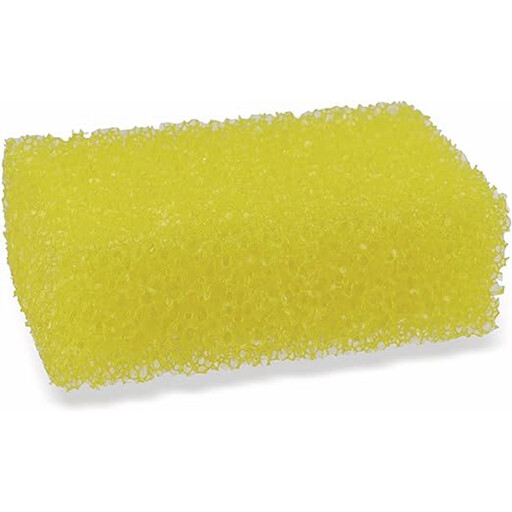
Why it suits this user: A separate, small sponge is handy for removing insect residue from the grille, lights or other specific areas.
Using this accessory only for spot cleaning helps keep localised dirt separate from your general car wash.
Compact 11 x 7 cm size; viscose material; rinsable and reusable according to the product information.
We’ve put together a complete, up-to-date list of products that meet these strict selection criteria and the applicable European safety regulations.
An African net sponge is not a car accessory. This exfoliating body sponge is designed for use with soap or shower gel. The kits mentioned are made from synthetic netting, come with a hanging cord for drying and weigh 90 grams. Use this type of sponge externally only, avoid using it on irritated or damaged skin, and leave it to dry completely after rinsing. Don’t share a body sponge with car cleaning accessories.
It depends on how worn and dirty it is. Replace the sponge if it becomes hard, tears, continues to hold on to dirt or develops an unpleasant smell. Rinsing it after every wash and letting it dry completely can help it last longer.
You can, but it’s better to use a separate sponge for your wheels. Brake dust and sand can contain coarser dirt than you’ll find on the bodywork. So, it’s best to use separate accessories for paintwork, glass, the interior and wheels.
Yes. A regular car wash sponge isn’t designed for machine polishing. Choose a compatible pad, check the machine’s speed and use a clean pad free from sand or dried-on product. Clean polishing pads straight after use and leave them to air-dry.
