
当日/次日达

品质保障

开启新人专享福利: 全场免邮 | 低至 2 折 | 免费试用 30 天 JoyPlus 会员
下载 Joybuy
A gleaming car doesn’t start with expensive polishes – it starts with the right tools and a proper technique. If you grab a car wash mop, a wash mitt or random cleaning cloths without any preparation, you can spread grit across the paintwork, leave streaks on the windows, or keep using a cloth long past its best.
As a Joybuy Product Recommendation Officer, I focus on verifiable features: material, dimensions, intended use, maintenance and practical lifespan. Marketing claims only mean something when they are backed up by a clear product description.
A microfibre cloth or car wash mitt may feel soft, but hard particles trapped in the fibres can still cause scratches. This risk is especially high when you use the same cloth for wheels, sills and paintwork.
Practical solution: use separate cloths for paintwork, glass, interior and dirty areas. Rinse a car wash mop or sponge thoroughly before you start. Work from the roof downwards, as the lower sections usually carry more grit and mud.
A car wash sponge is handy for large panels, but less suitable for air vents or the dashboard. Conversely, a detailing brush is designed for crevices and small areas, not for washing an entire car.
Always check what the product is intended for according to the product information. A cloth for glass may have a different texture to one for the interior or paintwork. Also, never use a strong cleaning agent on a surface unless the manufacturer recommends it.
Reusable polishing cloths and a car wash mitt need to be rinsed out after use and dried completely. A damp cloth left in the boot can develop an unpleasant smell and hold onto dirt.
Pay attention to washing instructions. Some microfibre cloths can be washed at 30 or 40 °C, but fabric softener and bleach can affect the fibres’ properties. Always check the label and product information.
For cleaning paintwork and glass, soft microfibre, chenille or a suitable synthetic material are practical choices. Don’t just look at the word “microfibre” – also consider:
A product description may mention features like “streak-free” or “scratch-free cleaning”. Treat these as the brand’s claim and always combine them with the correct technique: remove coarse dirt first, never rub a dry cloth over dirty paintwork, and keep cloths separate for each zone.
A 30 x 30 cm cloth is easy to handle for the dashboard, mirrors and small panels. Larger cloths hold more water and are efficient for drying, but can become awkward when fully saturated.
For washing a car, the length of the handle matters. A telescopic car wash mop can be a real help with an SUV, van or campervan. Check that the handle locks, how far it extends, and whether the head is adjustable. An adjustable angle is practical for mirrors, roof edges and curved body panels.
Don’t use the same cloth for every step:
For a polishing pad used with a drill or polisher, the speed, pad type and surface are important. Follow the product instructions and never use a damaged pad. A hard pad is not automatically suitable for every paint finish.
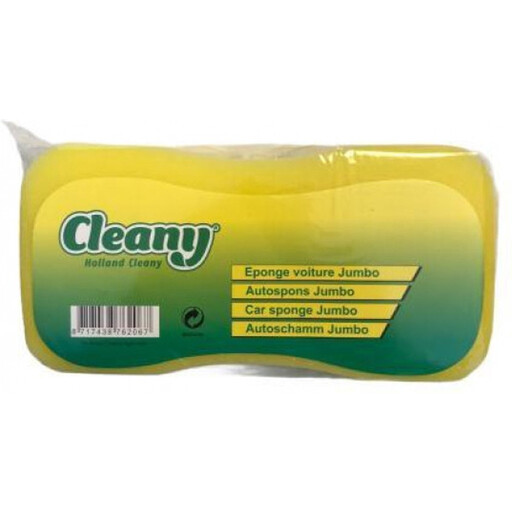
Why this fits the profile: The large sponge is a straightforward choice for anyone who washes their own car and simply wants a practical tool for big surfaces.
The size is clearly stated, so you won’t accidentally buy a small interior sponge for the exterior. Rinse the sponge thoroughly before and during use to remove grit.
Large size of approximately 22.5 x 11.5 x 6 cm; according to the product description, it is intended for gentle car cleaning.
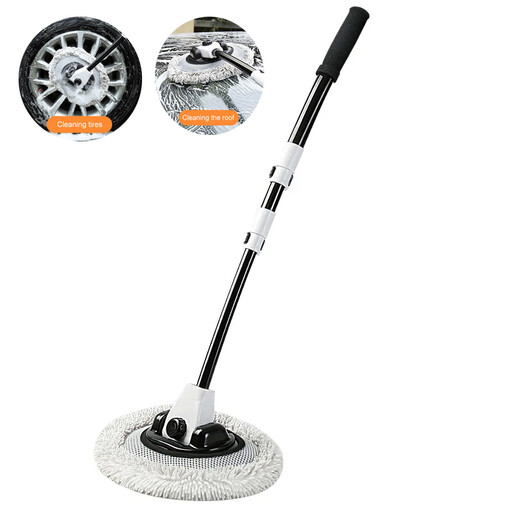
Why this fits the profile: The adjustable handle and angle are handy for larger cars, SUVs and hard-to-reach areas.
The product information mentions a 15° angled handle, a telescopic aluminium pole and a detachable head. This makes reach and cleaning of the head easy to manage.
Chenille head, 90° adjustable brush head and three sections for length adjustment. The head can be rinsed and stored separately.
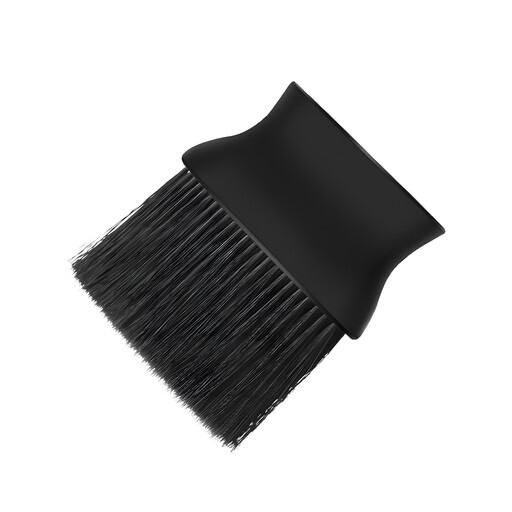
Why this fits the profile: This compact brush is designed for air vents, seams, dashboards and other narrow spots that a sponge can’t easily reach.
The product information mentions soft, flexible fibres and advises checking for grit or hard particles before use. This helps prevent misuse on sensitive surfaces.
PP handle with fibre brush; compact size of 12.3 x 11 x 10 cm; according to the product description, suitable for car interior, exterior and household crevices.
We’ve put together a full, up-to-date list of products that fully meet these strict selection criteria and current European safety regulations.
First, remove coarse dust and dirt. Then use a clean cloth reserved for glass only. A cloth with a clear glass designation, such as the Dunlop Microfiber Cloth for Glass, is intended for car windows and other glass surfaces according to the product information. Work in straight lines and turn the cloth over as soon as one side becomes damp or dirty.
Don’t use too much cleaning product. A damp cloth followed by a second dry cloth is often more practical than one cloth trying to absorb all the moisture. Afterwards, check for streaks from different angles.
It depends on usage, wear and maintenance. Replace the product when fibres start to shed, the texture becomes hard, or dirt no longer rinses out properly. Rinse thoroughly after every wash and allow it to dry completely. A reusable product will only last longer if it is stored clean.
For the interior, plastic and some household surfaces, yes – but always check the material and the product’s intended use. For paintwork and car windows, separate, clean cloths are a wiser choice. Never use a cloth that has previously come into contact with harsh cleaners, grease or grit.
The cost mainly depends on the accessories you choose and whether you wash the car yourself. A basic set could include a car sponge, a few microfibre cloths and a glass cloth. For larger vehicles or intensive detailing, you would add a telescopic mop, detailing brush and separate drying cloths. The technique you use is at least as important as the price of the product.
