
Vandaag of morgen in huis

Kwaliteit gegarandeerd

Welkomstaanbiedingen ontgrendelen: GRATIS bezorging | Tot 80% korting | Gratis 30 dagen JoyPlus-proefperiode
Download de app
A clean car starts not with the most expensive machine, but with the right combination of water, cloths, brushes and cleaning products. If you buy car cleaning products without a plan, you can quickly run into the same problems: a machine with too short a run time, a cloth that leaves lint behind or a cleaner that is unsuitable for a screen or paintwork.
This guide helps private car owners, detailing enthusiasts and intensive users make more informed choices.
A higher figure may sound appealing, but it does not tell you everything about ease of use. With a pressure washer for cars, for example, water pressure, water flow rate, hose length, nozzles and the way detergent is dispensed are all relevant. A machine with high pressure can also be awkward to use on delicate surfaces if you do not use a suitable spray pattern.
For a car polishing machine, speed control, orbital movement and battery life are at least as important as the maximum speed. A high speed is not automatically suitable for every type of paintwork or polishing compound.
Words such as “professional”, “scratch-free” or “extra protective” are no substitute for verifiable specifications. A brand’s own research may mention certain properties, but that does not automatically guarantee performance in every situation. Pay attention to the material, dimensions, accessories and usage instructions.
A car microfibre cloth or car wash mitt should be clean and free from grit before you use it on paintwork. Even soft material can cause scratches when dirt particles become trapped between the fibres.
A cordless device is only practical if the battery, charger and accessories are suitable for your purchase. Also check whether a product needs to be rinsed, dried or stored somewhere frost-free after use. With a car polishing kit, it is worth checking which pads, cloths and brushes are actually included.
An electric pressure washer can be suitable for cleaning cars, but preferably use a wide or adjustable spray pattern and keep a sufficient distance from paintwork, rubber seals and stickers. A foam bottle helps apply cleaning product evenly, but always check that the product is suitable for the surface in question.
For mobile use, a portable battery-powered washer gun may be worth considering. Look at:
The Oxerbog washer gun lists a 1200 mAh battery, 21 V nominal voltage, a run time of approximately 15 minutes and a 5-metre hose. The set includes a charger, filter, foam bottle, extension piece and two nozzles, among other items. According to the product instructions, any remaining water must be drained after use and the housing must not be rinsed directly with water.
A cordless car polishing machine is useful when working outdoors or when you do not want to use an extension lead. Pay attention to the type of movement. A dual-action or random orbital polisher moves not only in a circular motion, but also eccentrically. This can be easier for beginners to control than a purely rotary machine, although using the correct pad and technique remains important.
Also check:
The BATOCA S3 lists a 5 mm random orbit, six speed settings and a range of 2500 to 5000 rpm. The set includes a 2.0 Ah battery and fast charger. The EAFC machine lists a 125 mm disc, eight settings and 2800 to 5500 rpm. According to the product information, the BATOCA S2 has an 8 mm orbital throw, an LCD speed display and two 5000 mAh batteries.
A car dashboard cleaner must be suitable for the surface. Screens and instrument panels often have coatings that may be sensitive to aggressive products. It is therefore preferable to spray onto a microfibre cloth first, unless the product instructions state otherwise. For glass and displays, use a clean, dry cloth to minimise streaks.
A car detailing brush is particularly useful for air vents, seams, buttons and other narrow areas. Before use, check that the bristles are free from grit and hard particles. Use a car wash mitt wet and with plenty of water or cleaning solution; rubbing dirty paintwork dry increases the risk of damage.
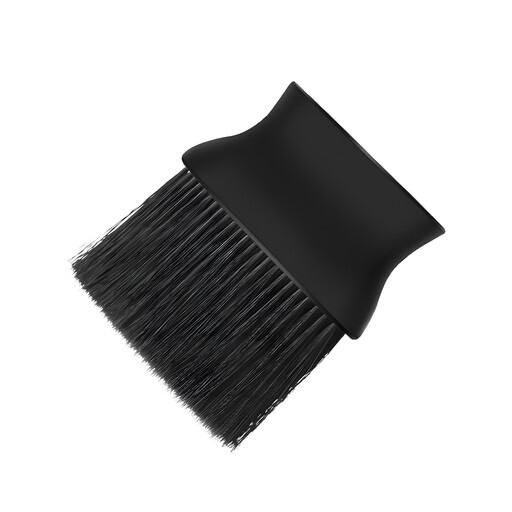
Why it suits this profile: A compact tool for anyone mainly looking to remove dust and dirt from air vents, seams and the dashboard.
The dimensions of 12.3 × 11 × 10 cm and the absence of metal parts make it straightforward to use. However, check the brush for grit before touching sensitive surfaces.
Soft fibre bristles, a plastic handle and a convenient size for storing in the glove compartment.
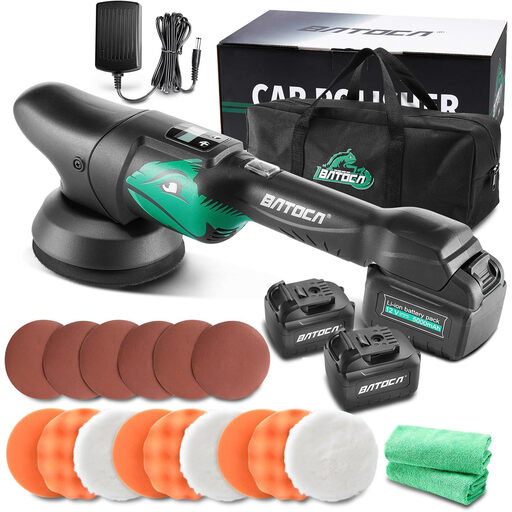
Why it suits this profile: Designed for users who want to polish regularly and value adjustability and cordless operation.
The machine lists an 8 mm orbital movement, LCD display, six speeds and two 5000 mAh batteries. This makes the speed and battery changeover specifications clear.
125 mm polishing disc, two batteries and a display showing speed and battery information.
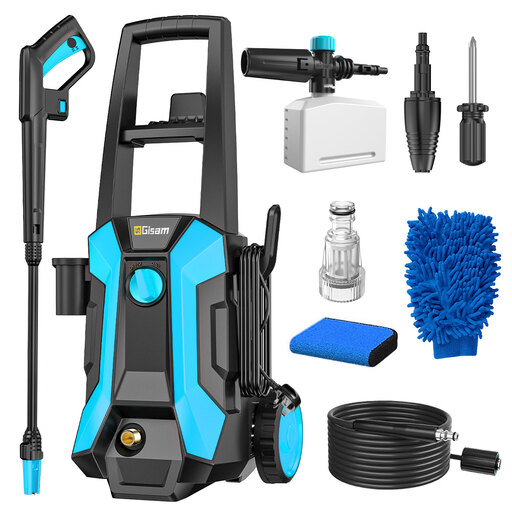
Why it suits this profile: Suitable for anyone who wants to clean patios, fences, driveways or garden furniture as well as their car.
The specification lists 2200 W, 180 bar, 480 l/h, an 8-metre hose and several accessories. Use a suitable nozzle and distance for car paintwork.
Long hose, hose reel, foam bottle, rotary nozzle and high-pressure gun.
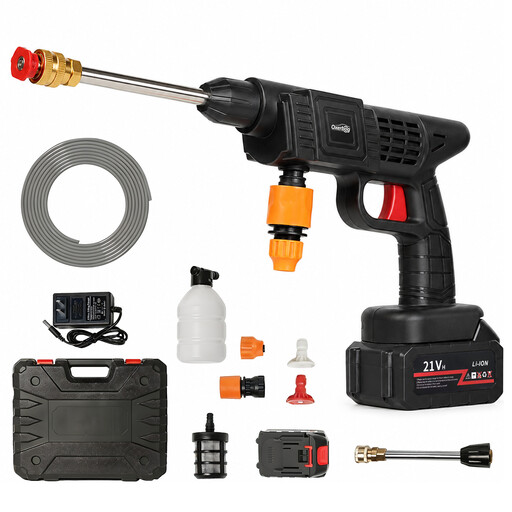
Why it suits this profile: Handy for users who want to work outdoors or somewhere without a direct mains power connection.
The product information states a 15-minute run time, a 5-metre hose and a filter. This makes the expected operating time easier to estimate in advance.
Cordless design, included foam bottle, two nozzles and accessories for connecting to a water supply.
We have put together a complete, up-to-date list of products that fully meet these strict selection criteria and the applicable European safety regulations.
According to the product information, a Rain-X Dash & Screen set contains 300 ml of cleaner and a microfibre cloth. The set is intended for dashboards, screens, plastic and glass, among other surfaces. For displays, it is still advisable to use only a small amount of liquid and not spray directly into seams or openings.
Start with a car wash mitt, several separate microfibre cloths, a mild car shampoo, an interior cloth and a detailing brush. Then add a pressure washer or car waxing machine if you wash or polish more frequently. A complete car polishing kit is practical when its contents are clearly listed and the materials are suitable for one another.
The run time depends on battery capacity, load, speed and temperature. Therefore, do not check only the nominal voltage, but also the number of batteries, stated run time and charging time. A second battery is useful for intensive work, while one battery may be sufficient for occasional car maintenance.
This depends on water consumption, electricity, cleaning product and how you work. A battery-powered washer gun does not use a mains cable, but it does have limited battery life. An electric pressure washer can work more quickly on larger surfaces, while brushes, cloths and an interior cleaner add few fixed costs per wash. Rinsing and storing materials properly helps prevent unnecessary replacement.
