
Livraison le jour même et le lendemain

Qualité garantie

Débloquez vos offres de bienvenue: Livraison GRATUITE | Jusqu'à -80 % | 30 jours d'essai gratuits à JoyPlus
Téléchargez l'application
Maintaining your car yourself can be cost-effective and straightforward, but only if you use the right tools. The wrong brush can damage the paintwork or interior, while a polishing machine without suitable pads can leave unnecessary marks. If you’re choosing a pressure washer for your car, battery life, water supply and safe use matter too.
As Joybuy Product Recommendation Officer, I filter out the most important product specifications so you can distinguish marketing claims from information you can actually check.
Not every car wash brush or interior brush is suitable for every material. Wheels and plastic sills can withstand more than clear-coated paintwork, glass or leather. Stiff bristles and grains of sand can cause scratches. So check:
Always start with a clean, soft brush and light pressure on delicate surfaces.
Descriptions like these tell you little without technical details. When choosing car wax, for example, check the quantity, included applicator, application time and care instructions. According to the product description, the protective layer from the multi-purpose carnauba wax may last for up to six months. This is a manufacturer’s claim, not a guaranteed duration: weather conditions, preparation and how often you wash the car all affect the results.
A cordless pressure washer or polishing machine is handy where there’s no mains socket, but batteries have their limits. Check:
A compact device isn’t automatically suitable for a full detailing session. A manual kit may be a better fit for a small car or occasional use.
With a pressure washer for your car, pressure isn’t the only thing that matters. Check whether the device can draw water from a bucket, how long the hose is and which nozzles are included. According to its product specifications, the Oxerbog portable cleaning gun has a 1200mAh battery, a 5-metre hose, a stated run time of 15 minutes, and both a straight 0° nozzle and a 45° fan nozzle.
Use a narrow jet with care. Keep a safe distance from the paintwork, rubber seals and stone chips. Rinse the car first to remove loose grit, and avoid using high pressure to move dirt across the surface.
Nylon, microfibre and chenille each have different uses. A soft chenille head is practical for large panels. A microfibre brush works well for air vents and narrow gaps. A drill brush set can loosen stubborn dirt more quickly, but rotating brushes need extra care.
The Oxerbog drill brush set is listed as having different sizes and levels of stiffness. According to the instructions, the soft brush is intended for surfaces such as glass, paintwork and leather; the stiffer versions are for hard-wearing surfaces such as tiles or certain plastic parts. Always test on an inconspicuous area first, and don’t apply high pressure in one spot for too long.
For polishing, the type of pad, pad size and speed control matter more than the maximum speed alone. Hard pads are generally intended for heavier correction work; soft pads are for refining the finish and applying products. According to the product information, the 8-piece polishing pad set includes several foam pads, a synthetic wool pad and an M10 drill adapter.
Before buying, check that the pad is compatible with your machine. Clean pads as soon as you’ve finished using them, leave them to air-dry and replace them if they become hard, cracked or badly misshapen.
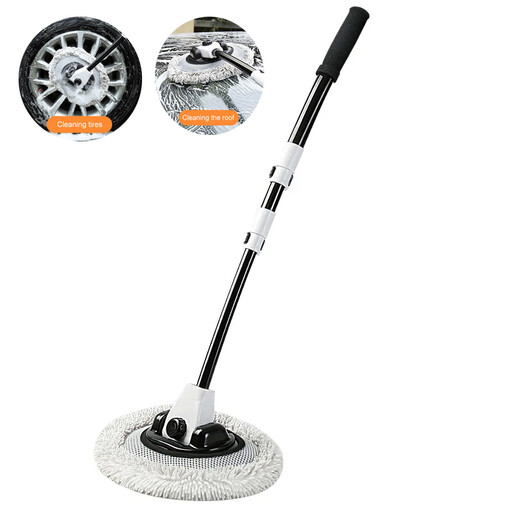
Why it suits this user: A manual washing solution with no battery or power supply, for anyone who washes their car at home from time to time.
The chenille head is designed for gentle washing. Rinse off any grit first and use even strokes to help prevent scratches.
A telescopic aluminium handle, adjustable head and removable wash head, according to the product description.
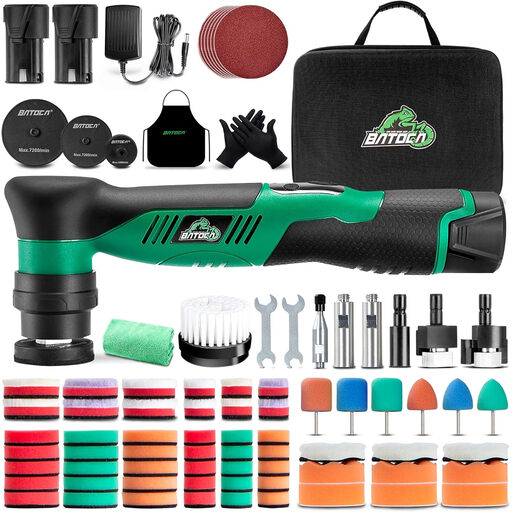
Why it suits this user: For anyone looking to do detailed work on headlights, badges, wheels and narrow bodywork.
The machine has three movement settings and six speeds, according to the product details. Start on a low setting and choose a pad suited to the paintwork and the task.
Two 12V 2.0Ah batteries and 25, 50 and 75 mm backing plates are included, according to the manufacturer.
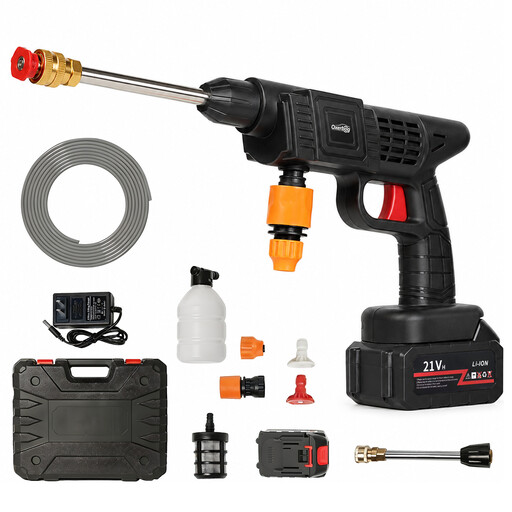
Why it suits this user: Handy if you want to pre-rinse and clean your car away from home, on the drive or somewhere without a mains tap.
The product specifications list a 5-metre hose, filter and several nozzles. The stated run time is 15 minutes, so plan short cleaning sessions.
A cordless design, 1200mAh battery and included foam bottle, filter, adapter and extension lance, according to the product page.
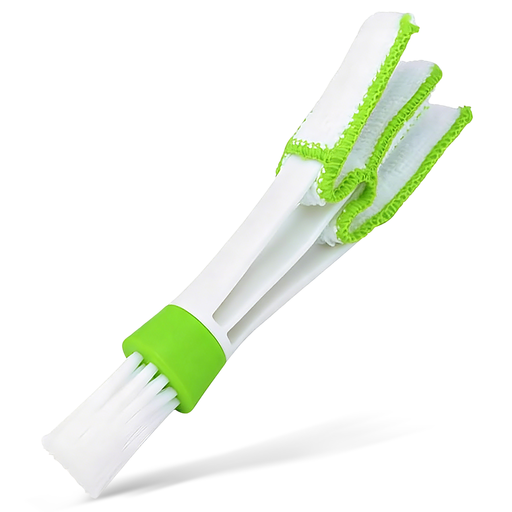
Why it suits this user: For everyday interior care without bulky appliances or much storage space.
According to the product information, the brush combines microfibre and PP bristles. Use light pressure and remove any grit before brushing the dashboard or glass.
A removable, washable head and a compact length of 16 cm, according to the specifications.
We’ve put together a complete, up-to-date list of products that meet these strict selection criteria and the applicable European safety requirements.
Start with a soft car wash brush or wash mitt, two buckets, microfibre cloths, an interior brush and a mild cleaning product. Only add a polishing machine, car polishing pads or a pressure washer later, if you’ll use them regularly.
A portable washer is most useful for pre-rinsing and light cleaning. Check the run time, water source and nozzle. Don’t aim a narrow jet directly at rubber seals, damaged paintwork or delicate parts, and keep a safe distance.
Their lifespan depends on dirt, pressure, speed and maintenance. Rinse accessories as soon as you’ve finished using them, remove any product residue and leave them to dry completely. Replace a pad or brush if it has cracks, hard edges, misshapen bristles or visible wear, as damaged material increases the risk of scratches.
