
Livraison le jour même et le lendemain

Qualité garantie

Débloquez vos offres de bienvenue: Livraison GRATUITE | Jusqu'à -80 % | 30 jours d'essai gratuits à JoyPlus
Téléchargez l'application
A clean car doesn’t start with the most expensive product or the biggest claim on the packaging. When choosing car cleaning products, it’s all about finding the right combination of materials, uses and maintenance. A soft brush for air vents needs different qualities from a wheel-cleaning brush. And a cordless car vacuum needs to be practical in a cramped interior, not just sound powerful.
Private car owners, DIY car detailers and detailing businesses often face the same challenges when choosing what to buy.
A manufacturer may quote a high suction power in pascals, but that doesn’t tell you everything about day-to-day use. Also check:
A compact car vacuum with a lower quoted rating may be more practical if it fits neatly into cup holders, seat rails and door pockets.
A stiff brush that’s suitable for a rubber mat could damage leather, glossy plastic or paintwork. So choose a car cleaning brush with the right level of softness. Soft microfibre or fine-fibre bristles are a better choice for air vents and dashboards. A stiffer nylon brush can be used on wheels, as long as the surface and brush are free of sand and metal particles.
Test any new product or accessory on an inconspicuous area first. This is especially important with older paintwork, delicate plastic parts and interior materials whose composition is unclear.
Car shampoo removes dirt; car wax or a paint sealant is applied after cleaning. Wax is no substitute for a thorough wash. Claims about protection lasting for months or a particular water-repellent effect come from the manufacturer. Treat this information as a product claim, and bear in mind that results depend on use, weather conditions and paintwork preparation.
Several features matter more than just the number in a product title when cleaning a car interior. A HEPA filter described as washable and reusable may make maintenance easier. Check whether the filter needs to dry completely before you put it back.
A 2-in-1 vacuuming and blowing function is handy for crumbs, dust in gaps and dirt around air vents. For a cordless car vacuum, a USB-C connection, charging indicator and battery capacity are useful points to compare. The quoted figures are the retailer’s product specifications; runtime and suction results can vary depending on the situation.
Look for:
A wheel-cleaning brush should loosen dirt without moving sand across the surface. Rinse the brush before and after use.
If you’re planning to polish your car yourself, it’s important to know the difference between DA or dual-action movement and rotary movement. A compact polisher with adjustable speed gives you more control over small areas, but you’ll still need to move it evenly and apply only light pressure. Working in one spot for too long can cause heat to build up.
Use the right pad and a product suited to your paint type. A polisher’s product description may claim greater efficiency or professional use; this is information from the manufacturer, not a guarantee of a particular result.
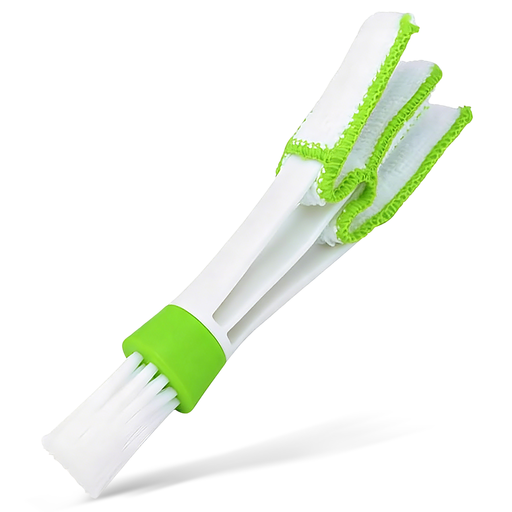
Why it suits this profile: A compact option for removing everyday dust from air vents, door pockets and small gaps, without having to buy a large set straight away.
The detachable, washable head means you won’t need disposable materials for every small cleaning task. Make sure the accessory is clean and dry before use, so you don’t spread sand over plastic surfaces.
Microfibre and PP bristles; compact size of 16 × 6 × 2.5 cm; suitable for dry or lightly damp use, according to the product description.
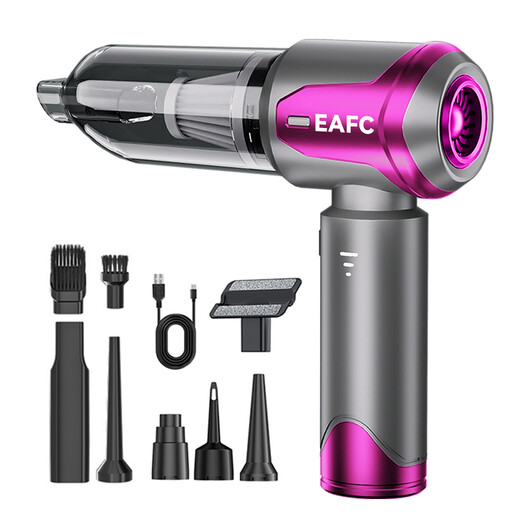
Why it suits this profile: For anyone looking for one compact appliance for crumbs, dust, blowing and small cleaning jobs in the car, at home or in the office.
As well as the stated suction power of 16,000 Pa, the product information lists several functions, nozzles, a USB-C cable and a washable filter. Before buying, check that these accessories suit the cleaning tasks you have in mind.
6000mAh battery according to the product description; three speeds; vacuuming, blowing, inflating and vacuum sealing listed as functions.
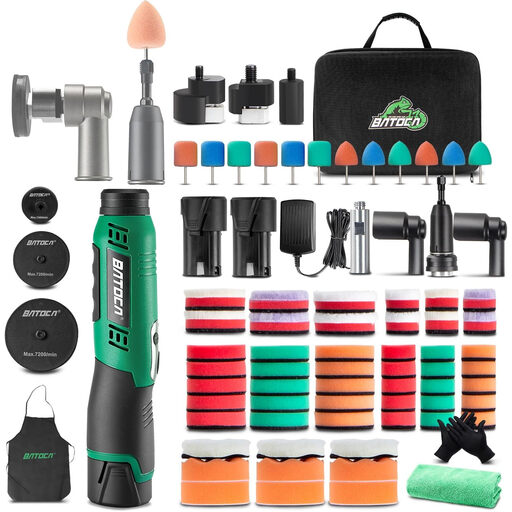
Why it suits this profile: Designed for detail work on small areas of paintwork, edges and hard-to-reach places where a larger polisher is less convenient.
Adjustable speeds and different drive modes give you more control than a machine with just one speed. Still, use light pressure and keep the machine moving.
DA and RO modes; six speeds per system according to the product information; 25, 50 and 75 mm pads included; two 12V 2.0Ah batteries.
We’ve put together a full, up-to-date list of products that meet these strict selection criteria and current European safety regulations.
Start with a soft interior brush, a microfibre cloth, a suitable car wash brush, a gentle cleaner and, if you like, a compact car vacuum. Only add a polisher or heavy-duty wheel-cleaning brush when you actually need one.
Its lifespan depends on charging habits, filter maintenance and how often you use it. Clean the filter according to the instructions, let a washed filter dry completely and empty the container regularly. The stated battery capacity is a technical specification; actual runtime varies depending on the setting and workload.
It’s best not to. Wheels often collect sand, brake dust and metal particles that you won’t want to transfer to dashboards, leather or paintwork. Use separate brushes and choose one with a suitable level of stiffness for each surface.
