
Vandaag of morgen in huis

Kwaliteit gegarandeerd

Welkomstaanbiedingen ontgrendelen: GRATIS bezorging | Tot 80% korting | Gratis 30 dagen JoyPlus-proefperiode
Download de app
A clean car doesn’t start with eye-catching packaging. It starts with the right combination of materials and ease of use. If you focus only on a long list of features, you could still end up with scratches, streaks or an accessory left unused in the garage after a few weeks.
This buying guide will help you put together the right car-cleaning kit for use at home, on the drive or on the go. You’ll find out what to look for when washing your car, which car-washing accessories are useful and which products suit different types of users.
A car wash mitt, car sponge or car wash brush can be suitable for regular maintenance, but no soft material can prevent damage if sand and hard particles get trapped between it and the paintwork. So rinse the car and the cleaning tool thoroughly first. Work from top to bottom where possible, to avoid spreading dirt over clean areas.
When choosing a car pressure washer, pressure and battery life aren’t the only things that matter. Check the run time, hose length, water supply and included connectors too. A cordless pressure washer is handy where there’s no power socket, but its practical run time may be limited. The Oxerbog, for example, is specified with a 1200 mAh battery, 21 V and a run time of around 15 minutes, while the supplied hose is 5 metres long.
A silicone squeegee or car window wiper is designed for wet, smooth surfaces. According to the instructions for the silicone squeegee on offer, you should rinse the car first, then draw the squeegee lightly from top to bottom. Scraping a dry surface or applying too much pressure can damage the material and the surface.
Soft microfibre, chenille, EVA and silicone are often practical choices for paintwork. That doesn’t automatically mean every product is safe to use on every surface. Also check:
A car wash mitt with plush fibres can hold plenty of water and shampoo, but it needs to be rinsed thoroughly after every use. Don’t use it dry on heavily soiled paintwork.
A small car sponge is easy to manoeuvre around mirrors, window seals and narrow sections. For larger bodywork, a wash mop with a telescopic handle may be more comfortable to use. If the handle extends, check its maximum length and locking mechanism. Extending it too forcefully could damage the connection.
Reach matters for glass too. According to the product specifications, an extendable side-mirror wiper is 22 cm long and can extend to 98 cm. This can be useful for side mirrors or the windscreen, without having to lean too far out of the car.
Depending on the model, a cordless pressure washer with self-priming can draw water from a bucket. Check whether a filter, hose, adapter and foam bottle are included. Drain any remaining water after use. In freezing temperatures, water left in a pump or hose can freeze.
Rinse the foam bottle with clean water after use. This helps reduce the risk of blockages caused by dried shampoo. Don’t submerge or spray the body of a cordless cleaner directly with water unless the instructions say you can; always follow the product-specific guidance.
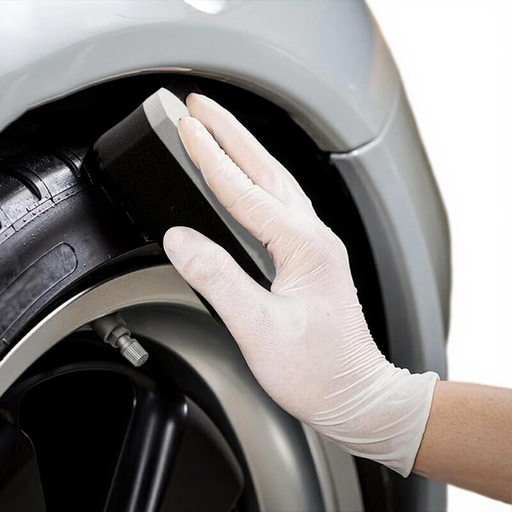
Why it suits this type of user: This EVA sponge is a simple choice if you want to wash your car at home now and then, without buying a complete kit straight away.
Its dimensions of 195 × 135 × 70 mm are clearly stated. Rinse the sponge before use, and don’t use it on paintwork with sand or dried-on dirt.
EVA material, a large working surface and a weight of around 40 grams. The product description also says it can be used on glass and tiles.
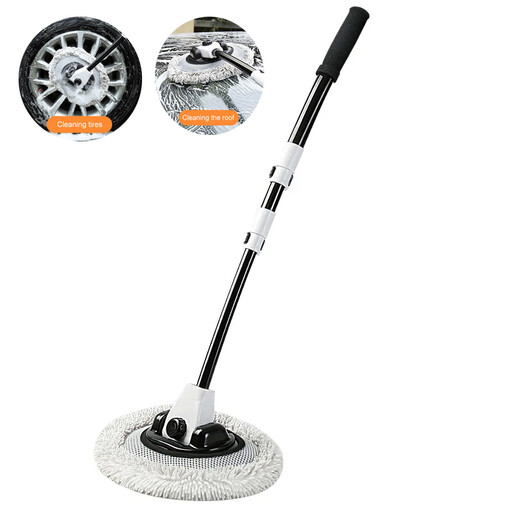
Why it suits this type of user: This adjustable wash mop is designed for people who want to clean large surfaces and hard-to-reach areas on an SUV, van or camper themselves.
The chenille head is removable and should be rinsed and dried after use. This helps stop dirt from lingering in the fibres.
15° angled handle, 90° adjustable head, three-section telescopic handle and a brush head that detaches quickly.
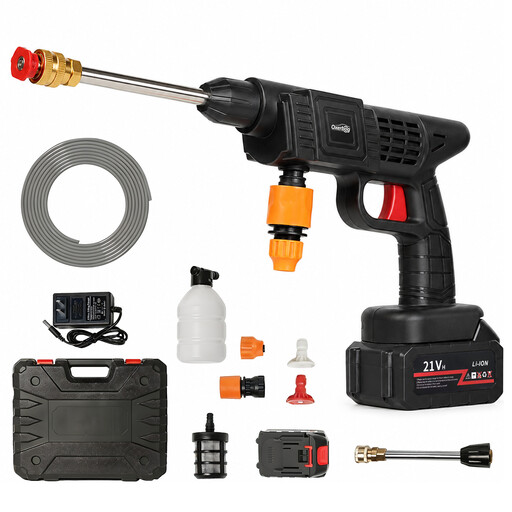
Why it suits this type of user: This portable cleaner is a good fit if you want to wash your car in different locations, such as on the drive or on the go.
Its limited run time of around 15 minutes is stated clearly. Plan to clean one section at a time and fully charge the battery beforehand.
Battery-powered, with a 5-metre hose, foam bottle, filter, adapters and 0° and 45° nozzles, according to the product specifications.
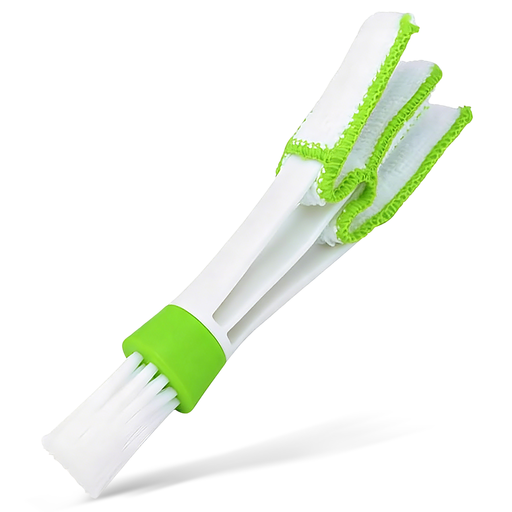
Why it suits this type of user: For drivers who mainly want to clean air vents, dashboard seams and other small interior details.
The removable cleaning head can be rinsed and dried. Don’t use bleach, strong acids or excessive pressure.
Microfibre and PP bristles, two cleaning sides and dimensions of 16 × 6 × 2,5 cm.
We’ve put together a complete, up-to-date list of products that meet these strict selection criteria and the applicable European safety regulations.
Alongside a sponge or wash mop, a few small accessories can come in handy:
A bucket, car shampoo, a soft car wash mitt or sponge and a drying towel are a practical starting point. A separate silicone squeegee can help with the windows. If you don’t have a fixed water supply, consider a portable cleaner with a hose and self-priming.
Rinse the car first to remove loose sand. Use a clean tool, apply light pressure and rinse your wash mitt or sponge regularly. Let a sponge or brush dry completely after use, and don’t use the same tool on dirty wheels and paintwork.
That depends on your situation. A cordless cleaner can be handy if you don’t have access to a power socket or tap, but you’ll need to factor in charging, limited run time and maintenance of the hose, filter and pump. So don’t compare just the purchase price; also look at the included accessories and how you’ll supply the water.
