
Vandaag of morgen in huis

Kwaliteit gegarandeerd

Welkomstaanbiedingen ontgrendelen: GRATIS bezorging | Tot 80% korting | Gratis 30 dagen JoyPlus-proefperiode
Download de app
Dust in the air vents, grime on the wheels and dirt between the seat rails can be difficult to remove with a regular cloth. That’s why many car owners look for car cleaning brushes suited to specific jobs. The right brush can save you time, but the wrong combination of bristle type, pressure and rotation speed can cause scratches or damage to surfaces.
A stiff brush may be suitable for a rubber mat or a heavily soiled plastic sill, but less suitable for paintwork, glass or leather. So pay attention to the bristle stiffness. Soft fibres are designed for dust and delicate surfaces; stiffer nylon bristles are better suited to wheels, tiles and hard-wearing plastic.
Terms such as ‘professional’, ‘extra strong’ or ‘scratch-free’ don’t tell you much without details about materials, dimensions and use. Instead, check whether the product description specifies:
If a brand makes a claim about how well a product works, treat it as the manufacturer’s claim. According to the relevant brands’ product information, the brushes mentioned are designed for specific uses; results also depend on the surface, cleaning product and pressure applied.
Drill cleaning brushes can reduce the amount of scrubbing you need to do, but their rotating action calls for extra control. Applying too much pressure or leaving the brush in one place for too long can cause heat and friction. Start at a low speed, test on an inconspicuous area and, if needed, let dirt soak with a suitable mild cleaning product.
For a dashboard, leather seat or air vent, a soft car detailing brush or microfibre brush is generally a good choice. An interior car brush should pick up dust without dragging hard particles across the surface. Check the brush for sand and other dirt before use.
For wheels, a wheel cleaning brush with slightly stiffer nylon bristles is practical. Don’t automatically use it on car paintwork or soft leather. For a car wash brush, soft chenille fibres and a head that rinses clean easily are useful, as sand caught between the fibres can cause scratches.
A flat or narrow head can reach more easily between air vents, seat rails and door panels. An air vent brush with a flexible or detachable head is handy for everyday dusting. A long, narrow brush head is suitable for crevices; just check that the bristles aren’t too stiff.
An extension pole can help you reach the roof, the underside of the car or the space between the wheel and spokes. Look for a sturdy connection and a handle that won’t come loose during use.
For a drill brush set, a standard hex shank is important. According to Oxerbog’s product information, the fitting is designed for most cordless drills and electric screwdrivers. Always check the chuck on your own tool before ordering.
A set with several sizes offers more flexibility, but you’ll also need to choose carefully. The Oxerbog set contains seven nylon brush heads in different sizes, plus an extension piece. This lets you switch between larger surfaces and hard-to-reach areas.
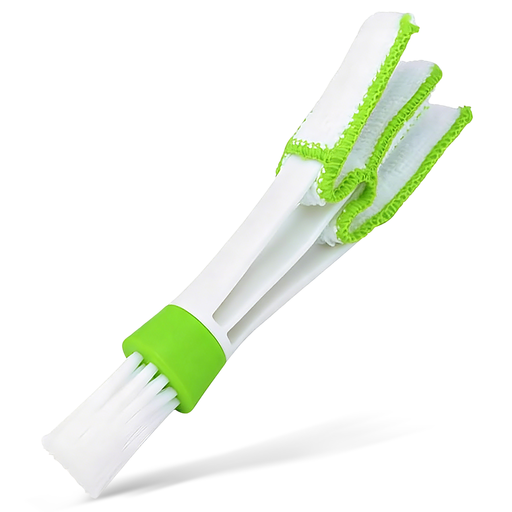
Why it suits this buyer: This compact brush is suitable for everyday dusting of air vents, dashboards, keyboards and narrow crevices. The detachable head can be rinsed and reused.
The product information lists microfibre and PP bristles rather than a single hard brush for every job. Use light pressure and remove sand before brushing.
Measures 16 × 6 × 2.5 cm, with a detachable, washable head; suitable for cars and around the home.
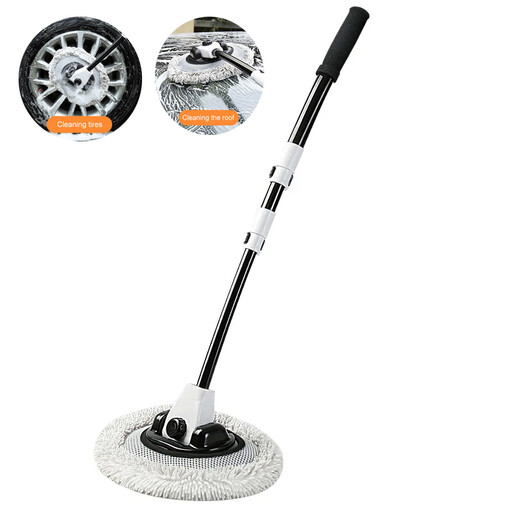
Why it suits this buyer: A practical choice if you regularly hand-wash the exterior of a saloon, SUV, van or motorhome.
The detachable brush head can be rinsed after washing. Rinse the car and the head thoroughly first, so loose sand doesn’t get trapped between the fibres.
Chenille head, 15°-angled handle, adjustable angle and three-section telescopic aluminium pole.
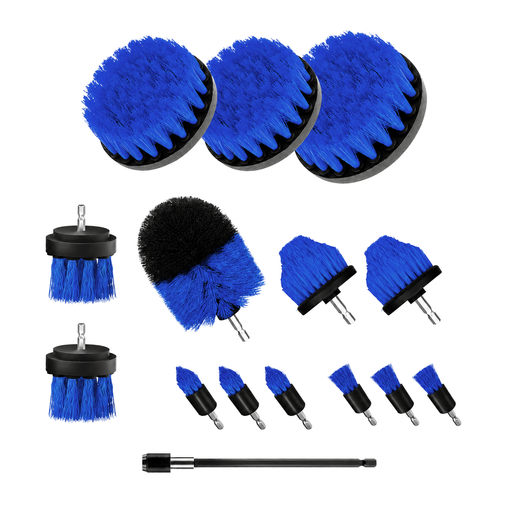
Why it suits this buyer: This set is designed for more demanding jobs on wheels, plastic, crevices, tiles and other hard-wearing surfaces. The extension rod supplied helps you reach awkward areas.
The set includes brushes with different levels of stiffness. According to the product information, soft bristles are intended for delicate surfaces, while the harder options are for hard-wearing materials.
Seven nylon brush heads, standard hex shank, extension rod and parts made from PP and stainless steel.
We’ve put together a complete, up-to-date list of products that meet these strict selection criteria and the applicable European safety regulations.
Choose a narrow air vent brush with soft microfibre or synthetic fibres. Use it dry to remove loose dust, or slightly damp with a mild cleaning product for stubborn dirt. Don’t press hard against the slats or electronic controls.
It depends on the brush stiffness and how you use it. On delicate surfaces, use only a soft head at a low speed and with light pressure. A stiffer head may be suitable for wheels or heavily soiled plastic parts, but always test it on an inconspicuous area first.
Their lifespan depends on how often they’re used, how dirty the surfaces are, which cleaning products you use and how they’re stored. Rinse off sand and dirt after every job, let the brush dry thoroughly and replace it as soon as the bristles become misshapen or the base is damaged. A set of cleaning brushes for cars and around the home can last longer if you keep different heads separate for different materials and uses.
