
Vandaag of morgen in huis

Kwaliteit gegarandeerd

Welkomstaanbiedingen ontgrendelen: GRATIS bezorging | Tot 80% korting | Gratis 30 dagen JoyPlus-proefperiode
Download de app
Cleaning a car sounds simple, until dirt builds up in air vents, seams, wheels and underneath the seats. A random car cleaning brush may not do the job. The bristles can be too stiff for plastic, the handle may not reach far enough, or the brush may trap dirt and cause scratches.
This guide will help you choose the right hand brush, car detailing brush, car interior brush, wheel brush or electric option. Our recommendations are based on verifiable features such as materials, dimensions, fittings and care requirements.
A product description doesn’t always specify which material has been used. This makes it difficult to judge whether the brush is suitable for paintwork, glass, leather or only hard-wearing surfaces. A soft microfibre or nylon brush is generally a better choice for dashboards and trim than a wire brush.
Also check whether hard particles can get caught between the bristles. Sand and dried-on dirt can still cause scratches, even when the fibres themselves are soft.
A brush for tiles or concrete floors isn’t automatically suitable for car paintwork. When choosing a wheel brush or a brush with stiff bristles, pay particular attention to the intended uses. Don’t use stiff brushes on delicate paintwork, glass or soft leather.
An electric drill brush also needs the right brush head. According to Oxerbog’s product description, the nylon brushes vary in colour, size and stiffness. The manufacturer recommends soft versions for surfaces such as glass and leather, medium-stiff brushes for wheels and tiles, and stiff brushes only for more hard-wearing surfaces.
A wide brush is quick to use on a dashboard, but won’t fit between air vents or around buttons. Conversely, cleaning large panels with a small air vent brush takes a long time. So consider the shape, handle length and whether the brush head can be replaced or washed.
A microfibre car wash mitt is practical for large wet surfaces. For seams, buttons and air vents, a narrower car detailing brush works better. Use separate brushes for the interior and wheels to avoid transferring brake dust and sand to delicate surfaces.
A compact brush fits in the glove compartment and is suitable for everyday dust removal. For radiators or deep crevices, you’ll need a longer version. For example, the radiator brush mentioned here is 64 cm long and 5 cm wide. This reach is particularly useful for household radiators and other narrow spaces, but not for every part of a car.
An extension can help when cleaning underneath seats or between wheel spokes. Always check that the connection is secure before applying pressure.
A hand brush gives you more control and is generally suitable for delicate surfaces. An electric drill brush can save time when tackling stubborn dirt, but it comes with a greater risk of heat, splashing and surface damage.
When choosing a drill brush, look for a standard hex shank, a compatible drill chuck and adjustable speed. Start the machine at a low speed, apply little pressure and don’t work in one spot for too long. Wear safety glasses when using rotating brushes, and keep loose clothing and long hair well away.
A car polisher is a different type of tool. It’s designed for polishing, waxing or applying sealants, and won’t replace a brush for crevices or dust.
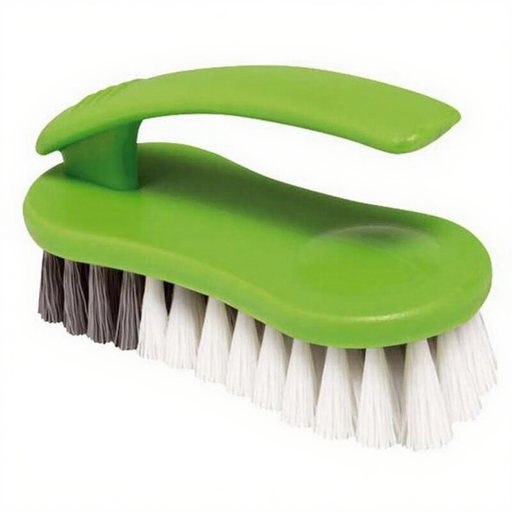
Why it suits this user: According to the product description, this double-ended plastic brush is designed for a range of household uses, including in the kitchen, bathroom and garage. It’s a practical choice if you’re looking for one simple brush for light cleaning tasks in and around your car and at home.
Its intended uses and plastic construction are clearly stated. Even so, check it on an inconspicuous area before using it on delicate paintwork or leather.
Double-ended brush, plastic construction and suitable for use in the kitchen, bathroom and garage.
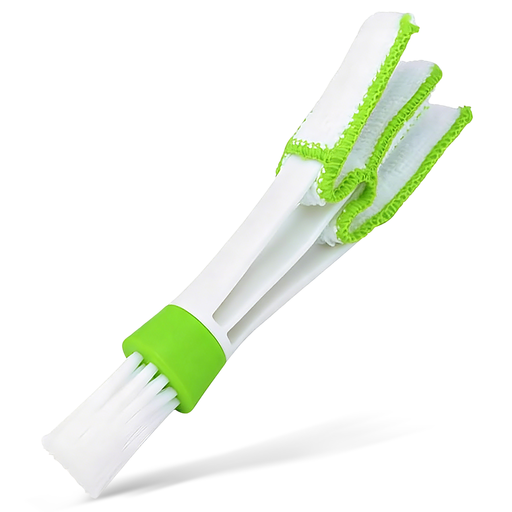
Why it suits this user: According to the product description, this compact combination of microfibre and PP brushes is designed for air vents, interior crevices, keyboards and blinds.
The brush is removable and washable, so you don’t have to throw away a dusty interior brush straight away.
Measures 16 × 6 × 2,5 cm, with a removable head and suitable for dry or lightly damp use.
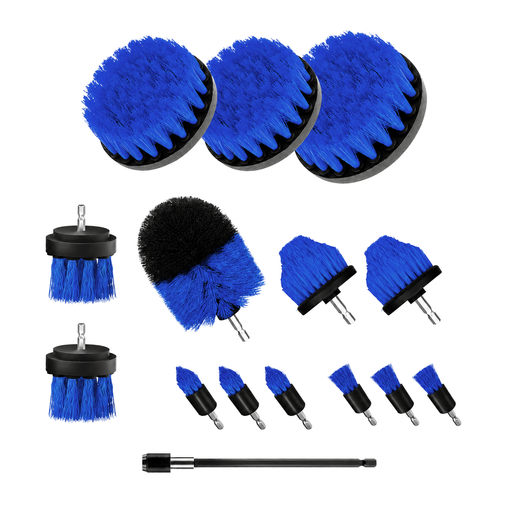
Why it suits this user: According to the product information, the set includes seven nylon brush heads in different sizes, an extension and a standard hex fitting compatible with many cordless drills and electric screwdrivers.
The different levels of stiffness let you choose a brush more precisely. Use a low speed and don’t press the brush against one spot for too long.
15-piece set, made from PP and stainless steel, with an extension and brushes for wheels, tiles and interiors, among other uses.
We’ve put together a complete, up-to-date list of products that meet these strict selection criteria and the applicable European safety regulations.
A narrow air vent brush with soft microfibre or nylon bristles is a practical choice. If possible, choose one with a washable or removable head. Use light pressure to avoid damaging the slats and buttons.
Only if the product information says the brush head is suitable for delicate surfaces and you set the speed to low. Always test it on a hidden area first. Stiff brushes, prolonged friction and excessive pressure can damage the paintwork.
Its lifespan depends on the material, how often you use it, the cleaning product and how you store it. Rinse the bristles after use, remove any sand and let the brush dry. If the bristles are flattened, the brush is cracked or the fitting is loose, it’s better to replace it than carry on using it.
