
Vandaag of morgen in huis

Kwaliteit gegarandeerd

Welkomstaanbiedingen ontgrendelen: GRATIS bezorging | Tot 80% korting | Gratis 30 dagen JoyPlus-proefperiode
Download de app
A clean car does not start with the most expensive appliance, but with the right combination of car cleaning accessories. If you only look at high suction power, wattage or a long list of accessories, you can still end up making an impractical purchase. A device may sound powerful on paper, yet be less suitable for narrow seat rails, delicate paintwork or quick cleaning jobs.
This guide helps private car owners, DIY detailers and households make an informed choice. From a cordless car vacuum cleaner and car cleaning brushes to a pressure washer, steam cleaner or car polishing machine: focus above all on the intended use and verifiable specifications.
A figure such as 16,000 Pa sounds impressive, but it does not tell you everything about day-to-day performance. The shape of the nozzle, the filter and the capacity of the dust container also determine how practical a car cleaning tool is. For crumbs and sand in the car, a narrow crevice nozzle is often more important than a high marketing figure.
The same applies to an electric pressure washer for the car. As well as the maximum pressure, look at the water flow rate, hose length and how water is supplied. A portable model can be useful with a bucket or external water source, while a model with a fixed connection may be better suited to regular use around the house.
Four-in-one designs or dozens of accessories can be useful, but only if you will actually use them. Check whether the attachments are suitable for your car, how they are stored and whether filters, brushes or pads are easy to clean.
A steam cleaner, for example, may be useful for interiors, windows and grouting, but steam is not suitable for every electronic, leather or painted surface. Always follow the instructions and test the product on an inconspicuous area first.
A microfibre wash mitt or car wash brush can help prevent scratches, but only when dirt and sand have been rinsed off thoroughly first. Do not use a cloth or mitt dry on paintwork or glass when loose particles are present.
A car window squeegee or silicone wiper should also only be used on a wet, clean surface. The product information for the silicone wiper explicitly states that dry scraping and excessive pressure should be avoided.
For interior cleaning, three points are particularly relevant:
According to the product description, the EAFC 4-in-1 handheld vacuum cleaner delivers 16,000 Pa and has a built-in 6000 mAh battery. These figures come from the seller’s product information and should not be interpreted as a guaranteed result on every surface.
Soft fibres are important for paintwork, glass and leather. When choosing car cleaning brushes, check that the bristles are flexible and contain no hard metal parts. The Oxerbog drill brush set contains several nylon brushes with different levels of stiffness. According to the instructions, the soft brush is intended for more delicate surfaces, while the harder versions are better suited to tiles, concrete or heavily soiled plastic.
A separate detailing brush is particularly useful for air vents, seams, the centre console and dashboard. Remove any sand from the bristles before using it on glossy surfaces.
An extendable handle is useful for large cars, roofs and windscreens. Check the maximum length, weight and locking mechanism. With a polishing machine, the disc diameter, speed range and type of movement are important considerations. A rotary machine requires more control; an orbital movement is easier for many beginners to manage, although the result depends on the pad, polishing compound and pressure applied.
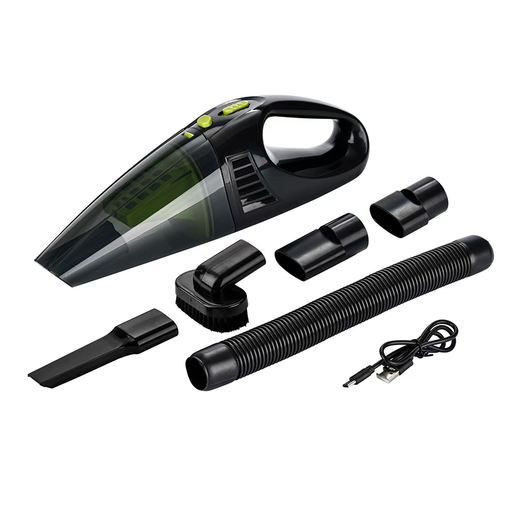
Why it suits this profile: This compact cordless car vacuum cleaner is designed for quick cleaning jobs in the car and smaller spaces.
The specifications state a 0.4-litre dust container, a HEPA filter and an operating time of approximately 14–16 minutes. This makes the key limitations clear from the outset.
Cordless design, removable dust container and stated suction power of 3500–4000 Pa.
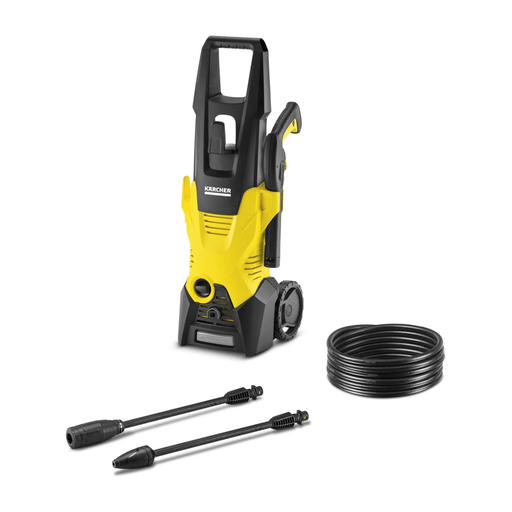
Why it suits this profile: Suitable for anyone who wants to clean their car, bicycle and garden furniture with one electric pressure washer.
The listing provides specific figures: 1600 W, a maximum of 120 bar, 380 l/h and a 6-metre hose. When washing a car, always check the correct distance and spray setting.
Quick Connect, an integrated detergent tank and adjustable pressure according to the product description.
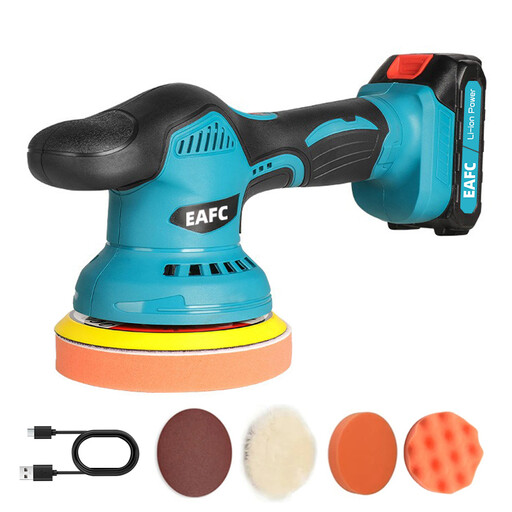
Why it suits this profile: Ideal for anyone who wants to wax or polish regularly and adjust the speed and disc size to suit the job.
The stated range of 2800–5500 rpm and the 125 mm disc make it clear what the machine is designed for. Start at a low speed and use suitable pads.
Eight speed settings, cordless operation and a stated weight of 1.13 kg.
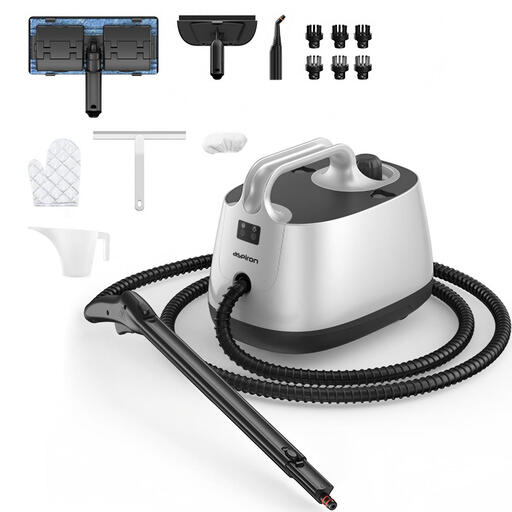
Why it suits this profile: A practical choice for households that want to clean car interiors, bathrooms, kitchens and hard floors with one appliance.
The intended uses and safety limitations are clearly described. Do not use steam on materials that cannot withstand heat or moisture, and follow the instructions.
According to the product description: 1500 W, a 1.5-litre tank and 21 accessories included.
For regular car cleaning, a combination is often more practical than one multifunctional appliance:
For electrical appliances, also check the charging method, battery information, storage options and availability of replacement parts. With a cordless model, it is best to empty the dust container after use and store the filters or brushes clean and dry.
We have put together a complete, up-to-date list of products that fully meet these strict selection criteria and the applicable European safety regulations.
For most car owners, a cordless car vacuum cleaner, soft detailing brush, microfibre wash mitt and a few clean microfibre cloths are sufficient. Add a pressure washer if you also want to clean bicycles, patios or garden furniture.
That depends on the material. According to the product specifications, steam can be used on certain hard surfaces and fabrics, but check the instructions beforehand. Avoid delicate electronics, untreated leather and surfaces that are sensitive to heat or moisture.
Thoroughly rinse off sand and loose dirt first. Then use a clean, soft wash mitt with plenty of water and shampoo. Work in straight lines, apply little pressure and rinse the mitt regularly. Clean brushes and squeegees after every use and allow them to dry completely.
