
Vandaag of morgen in huis

Kwaliteit gegarandeerd

Welkomstaanbiedingen ontgrendelen: GRATIS bezorging | Tot 80% korting | Gratis 30 dagen JoyPlus-proefperiode
Download de app
A flat battery, soft tyre or warning light usually appears at the worst possible moment. With the right car breakdown accessories, you can deal with some situations yourself, without having to rely immediately on a garage or breakdown service. Think of a car jump starter, 12V battery charger, portable compressor or OBD2 scanner.
However, a high amp rating or a long list of features doesn’t tell you everything. Some products aren’t suitable for your vehicle, lose their charge in storage or only work in specific conditions. Read on to find out what to look for before you buy.
A higher peak current might sound appealing when you’re choosing a jump starter. But suitability also depends on the type of vehicle, engine size, battery condition and the cables supplied. A device for a compact petrol car isn’t automatically suitable for a diesel van, motorhome or commercial vehicle.
So always check:
The manufacturer’s specifications don’t guarantee that every car will start. Use a jump starter according to the instructions and check compatibility beforehand.
A portable compressor with a theoretical pressure of 150 PSI sounds versatile, but for a car tyre, hose length, power supply, display readability and automatic shut-off are important too. A model with a hard-to-read gauge can be awkward to use on the road.
Pay particular attention to:
Use the tyre pressure specified in your car’s handbook or on the sticker in the car. The pump’s maximum pressure isn’t the recommended pressure for your tyre.
An OBD2 scanner can read fault codes, but not every scanner supports all systems or maintenance functions for every make and model. Features such as ABS, SRS, EPB, battery registration or transmission adaptation can vary by vehicle.
An automotive diagnostic tool is therefore most useful when you check the following beforehand:
A scanner can help you understand a warning, but it doesn’t replace repair instructions or a safety check.
Don’t just compare peak current: check the specified range for petrol and diesel engines. A product described as suitable for, for example, 9-litre petrol and 7-litre diesel engines has a different range of uses from a compact 1200A starter for smaller vehicles.
For SUVs, motorhomes, boats and commercial vehicles, having some extra capacity is useful. Also check that the jump starter itself is sufficiently charged. The specifications for many models recommend recharging the device regularly, even when it isn’t in use.
A car battery charger is different from a jump starter. A jump starter delivers a short burst of starting power; a 12V battery charger charges a battery in a controlled way. When choosing a battery charger, check:
According to the product description, an automatic charger can monitor the charge level itself, but always follow the connection sequence and safety instructions.
A car accessory is only useful if you can take it with you and find it when you need it. Check the weight, whether it comes with a storage bag, how the cables are stored and whether it’s protected against dust. Don’t leave lithium products in an extremely hot car for long periods. Check the charge level after storage before setting off.
A tyre inflator for your car with a built-in battery gives you more flexibility, while a corded compressor often relies on the 12V socket. For long journeys, a jump starter with a compressor can save space, but a separate pump may be easier if you mainly want to top up your tyres.
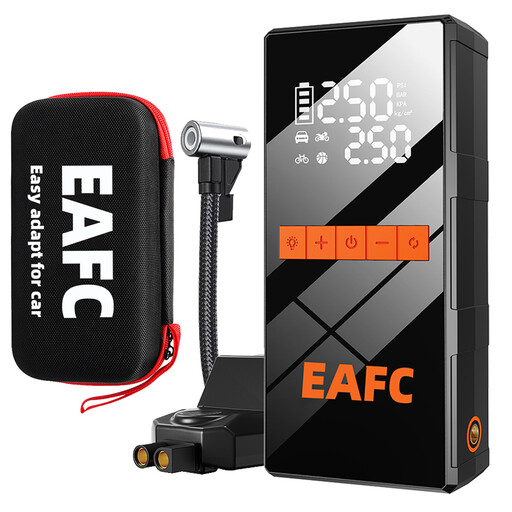
Why it suits this type of user: Combining a jump starter, tyre inflator, power bank and LED light, it’s a compact all-rounder for motorists looking for one device to handle several emergencies.
The product information mentions an automatic stop when inflating and several pressure units. Fully charge the device before first use, then recharge it regularly.
1200A peak current according to the product information; suitable for petrol engines up to 4.0 litres and diesel engines up to 2.0 litres; compressor up to 150 PSI.
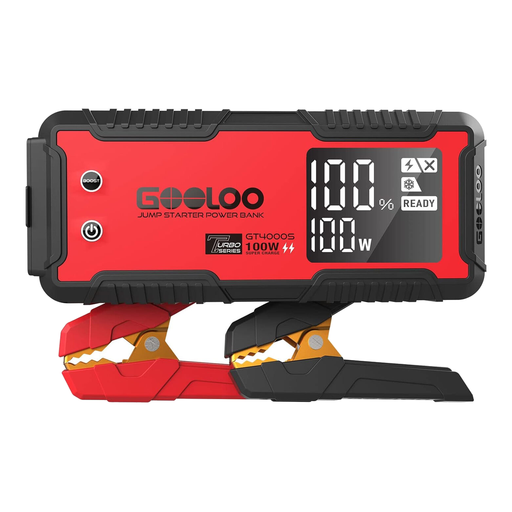
Why it suits this type of user: A good choice for drivers of larger cars, motorhomes, pick-ups or multiple vehicles who value charging options and an informative display.
The specifications list a 3.2-inch display, smart safety protections and a 100W charging function. Be sure to check that the stated engine range is suitable for your vehicle.
4000A peak current; suitable according to the product information for petrol engines up to 12.0 litres and diesel engines up to 10.0 litres; USB and DC outputs.
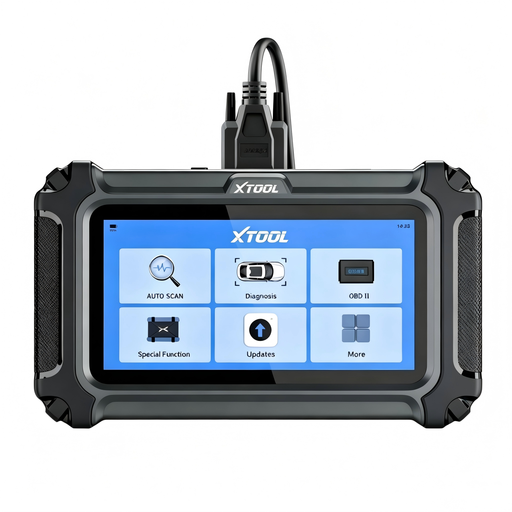
Why it suits this type of user: A useful option for DIY enthusiasts and mobile mechanics who want to view live data and several maintenance systems as well as read fault codes.
The product information notes that functions vary by vehicle and recommends checking compatibility. FCA AutoAuth may require separate registration and fees.
Diagnostics for the engine, transmission, ABS and SRS; 16 listed reset functions; CAN FD support and free updates according to the product description.
Use this quick checklist:
We’ve put together a complete, up-to-date list of products that meet these strict selection criteria and the current European safety regulations.
That depends on the battery, storage temperature and maintenance. Follow the manufacturer’s instructions and recharge the device regularly. Before a long journey, always check the charge indicator and the condition of the cables and clamps.
No. A charger can charge a compatible battery, but it won’t necessarily make a damaged or worn-out battery usable again. Check the battery type, capacity and minimum starting voltage stated in the product information.
No. Basic code reading may be widely supported, but systems such as ABS, SRS, EPB and battery registration vary by vehicle. So before you buy, check compatibility and make sure it supports the specific functions you need.
