
Vandaag of morgen in huis

Kwaliteit gegarandeerd

Welkomstaanbiedingen ontgrendelen: GRATIS bezorging | Tot 80% korting | Gratis 30 dagen JoyPlus-proefperiode
Download de app
Car accessories can make a car more personal, practical or better prepared. However, the range of options is not always easy to compare. A high current rating, millions of colours or dozens of reset functions may sound appealing, but that does not automatically mean a product is suitable for your car and how you use it.
The key question is therefore not: “Which car accessory looks impressive?” Instead: which specifications do I actually need, and which limitations should I check in advance?
“Suitable for all cars” often means that an accessory works with a particular type of vehicle voltage. For car interior lighting, this is usually 12 V. That does not automatically make a set suitable for a 24V lorry or every dashboard design.
Therefore, check:
An OBD2 scanner can read fault codes, but functions such as ABS diagnostics, SRS checks, BMS resets or injector coding depend on the make, model, year and ECU version. Even with a professional diagnostic scanner, full compatibility cannot be taken for granted.
For example, a supplier may state broad coverage, but that does not mean every reset function is available for your car. If in doubt, check the VIN before buying.
With a jump starter for cars, you will often see a high peak current. You should always consider this figure alongside the maximum engine capacity, engine type and condition of the battery. A car battery booster with a compressor is not automatically fast for every tyre either. Also check the maximum pressure, airflow, cooldown time and charge level.
The same applies to RGB LED lighting for cars: “16 million colours” says little about light distribution, installation and control. Check whether the fibre or acrylic strip can be cut and exactly where this is possible.
For lighting, 12 V direct current is an important specification to check. Product descriptions for the sets mentioned state a range of around 10–16 V or a nominal voltage of 12 V. Always follow the supplied instructions and test the set before concealing it inside the car.
For a jump starter, look at:
A compressor is useful as part of a car emergency kit, but check whether the pressure gauge supports units such as PSI, bar or kPa. Also allow the compressor to cool down as instructed in the manual.
With car ambient lighting, the length and installation location are key. A fibre-optic or acrylic strip can be placed in dashboard and door gaps, but sharp bends can damage the light transmission. Some sets include a strip of approximately 175 inches, while others use separate lights for the footwell, door handles or storage compartments.
Check:
Bluetooth app control is convenient, but preferably install the app and pair the controller before completing the installation.
A basic car diagnostic tool will often read engine management codes. According to the product description, a more advanced system may also access the transmission, ABS and SRS, display live data or perform service functions.
Therefore, compare:
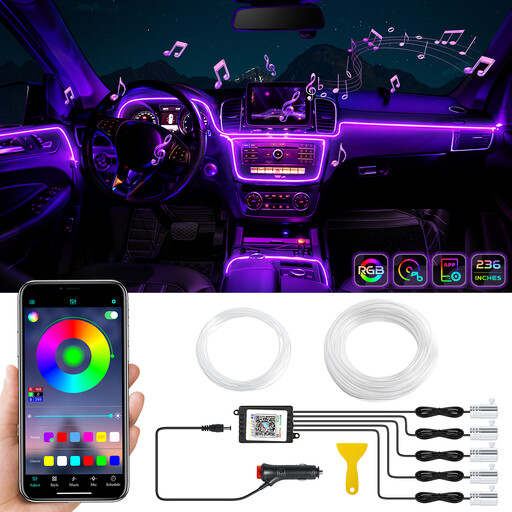
Why it suits this profile: This set is designed for DIY installation and offers app control for colours, brightness, timing and sound-sensitive modes.
The product information states 12V operation, short-circuit protection and testing before installation. The fibre can be divided to size, but must be connected correctly.
Bluetooth control, 29 preset modes and a pry tool included for installation.
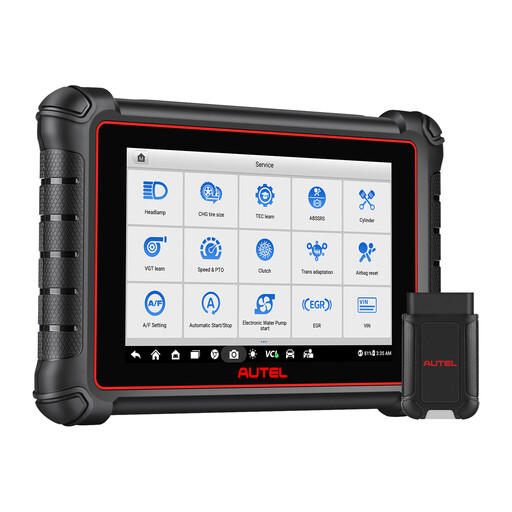
Why it suits this profile: Its functions are aimed at garages, mobile mechanics and users who need more than a basic engine code reader.
The product page states that service functions vary by vehicle. Checking the VIN is therefore still necessary before using a specific function.
8-inch touchscreen, Bluetooth VCI, more than 40 listed service functions and support for bi-directional tests with compatible vehicles.
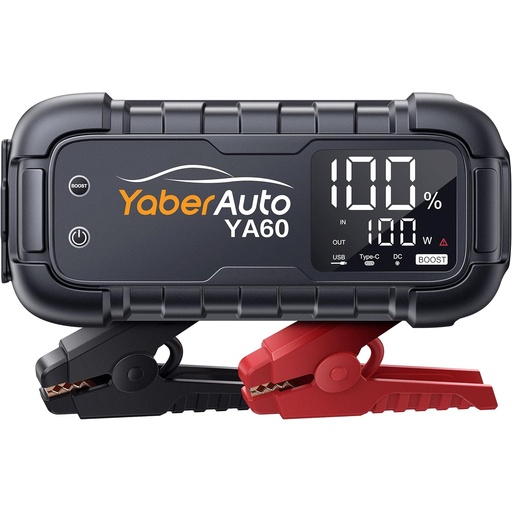
Why it suits this profile: Handy for drivers who want to carry a portable compressor, emergency light and extra charging ports as well as a jump starter.
The specifications state a 12V system, a maximum engine size and ten safety features. Fully charge the device and follow the connection sequence in the manual.
Peak current of 8000A according to the product listing, 150W DC output, 65W USB-C and a compressor with display.
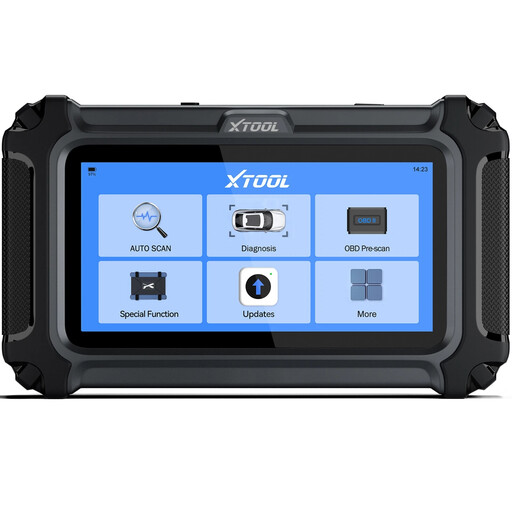
Why it suits this profile: The combination of AutoVIN, live data and service functions is well suited to DIY car maintenance at home.
The product information warns that functions may vary by make, model and ECU. This prevents you from relying solely on the number of reset functions.
Diagnostics for the engine, transmission, ABS and SRS, up to four live data graphs and, according to the listing, free software updates.
We have put together a complete, up-to-date list of products that fully meet these strict selection criteria and the applicable European safety regulations.
A jump starter, car tyre inflator, warning light and charging cable form a useful basis for a car emergency kit. Choose a booster that is suitable for your engine type and recharge the device periodically according to the instructions.
You can with many 12V sets, provided you route the cables safely and do not place the strip near pedals, airbags or moving parts. Test the lighting before installation. With cuttable fibre-optic or acrylic sets, use only the specified cutting points.
Not every scanner supports every system or service function. Check OBD2 compatibility, the vehicle year, software coverage and, above all, the VIN when you need a specific reset or diagnostic function.
